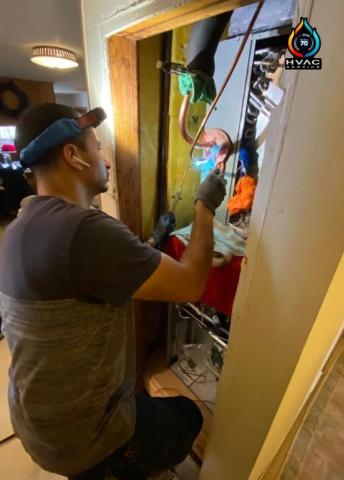
Air conditioners are one of the most important investments in your home — especially in climates with long, hot summers. But unlike refrigerators or TVs, AC systems don’t clearly announce when they’re nearing the end of their useful life. Instead, they slowly lose efficiency, become more expensive to operate, and eventually fail when you least expect it.
At Zees Air Conditioning Inc., we help homeowners understand not just when an AC unit will wear out — but why — and how to make smart decisions that balance comfort, cost, and long-term value.
👉 Read the original article here:
https://zeesairconditioninginc.com/average-lifespan-of-an-air-conditioner/
What Is the Typical Lifespan of an Air Conditioner?
A central air conditioner typically lasts 10–15 years, depending on:
✔ Brand and build quality
✔ Installation accuracy
✔ Seasonal maintenance
✔ Local climate stress
✔ Usage patterns
This range is an average, not a guarantee. Some well-maintained units can last 15+ years, while neglected systems may fail before their 10th birthday.
Why Some AC Units Last Longer Than Others
Several key factors influence how long your air conditioner will last:
📈 1. Quality of Installation
An improperly installed AC is like a high-performance car with bad tires — it simply can’t function as designed.
A correct installation ensures:
Proper refrigerant levels
Accurate airflow balance
Correct duct sizing
Solid electrical connections
When installations are rushed or unprofessional, components wear out faster — shortening system life.
2. Routine Maintenance
Failure to change filters, clean coils, or check refrigerant levels accelerates wear.
💡 Routine service helps your AC:
Stay efficient
Reduce strain
Detect small problems early
Save money long-term
Think of maintenance as a yearly “health checkup” for your cooling system.
3. The Local Climate
In hot, humid areas, an AC runs longer and harder — causing:
Increased compressor wear
Faster refrigerant loss
Higher electrical demand
More frequent cycling
This regional stress shortens lifespan — especially in climates like New Orleans, where cooling is a necessity, not a seasonal luxury.
AC Lifespan by Type — Quick Reference
| AC Type | Approx. Lifespan |
|---|---|
| Central Air Conditioner | 10–15 years |
| Ductless Mini-Split System | 10–15 years |
| Window Unit | 8–12 years |
| Portable AC | 5–10 years |
Smaller or less expensive systems generally have shorter lifespans — partly due to lower build quality and partly because they’re used more intensively.
Signs Your AC Is Nearing the End
You don’t need to wait until it breaks. Common warning signs include:
✔ Higher energy bills with same thermostat settings
✔ Uneven cooling across rooms
✔ Frequent cycling on and off
✔ Strange noises (clanking, buzzing, hissing)
✔ Watery or muddy discharge near the outdoor unit
✔ Unpleasant odors from vents
If several of these are happening, your unit may be nearing the end of its effective service life — even if it’s not broken yet.
Repair or Replace? Smart Decision Making
When an AC unit starts acting up, homeowners often face a crucial choice:
❓ Repair it again…
❓ Or replace it with a new system?
Here’s a quick guideline:
The 50% Rule for AC Decisions
If the cost of a repair is 50% or more of the value of a new AC, replacement is typically the smarter choice — especially for older units.
Repairs become less valuable when:
⚠ The system is older than 10–12 years
⚠ Major components like compressors or coils are failing
⚠ Energy inefficiency is already costing you money
A new system can provide:
🌬 Better cooling
💡 Modern energy efficiency
💸 Lower utility bills
🔇 Quieter operation
🔧 Warranty protection
Energy Efficiency and Modern Systems
Newer air conditioners use advanced technology such as:
🔹 Higher SEER (Seasonal Energy Efficiency Ratio) ratings
🔹 Better refrigerants with lower environmental impact
🔹 Smart thermostat compatibility
🔹 Zoned cooling for better comfort control
These improvements mean more comfort with less energy — and savings that add up over time.
Professional Installation Matters
Even the best AC won’t last if it isn’t installed correctly. That’s why professional installation from a trained HVAC specialist like Zees Air Conditioning Inc. makes a significant difference in:
✔ System longevity
✔ Energy efficiency
✔ Warranty validity
✔ Overall performance
Installation isn’t plug-and-play — it’s precision work that affects your home for years.
Tips to Make Your AC Last Longer
Here’s how to extend the life of your cooling system:
✔ Change filters every 1–3 months
✔ Schedule yearly professional maintenance
✔ Keep outdoor units clear of debris
✔ Zone rooms wisely with programmable thermostats
✔ Ensure proper attic insulation
These prevent unnecessary stress on the system — and help you go beyond the average lifespan.
Final Thoughts
An air conditioner isn’t just a machine — it’s a major part of your home comfort system. By understanding what affects its lifespan, you can save money, avoid sudden breakdowns, and plan smart replacements when the time comes.
👉 For a detailed guide and more tips, check the full article here:
https://zeesairconditioninginc.com/average-lifespan-of-an-air-conditioner/
Stay cool, stay efficient, and make informed decisions about your home’s comfort system — because knowing is better than guessing.