Car insurance is not just a legal
formality; it is a financial safeguard against unexpected losses. Among the
different types of car insurance policies available, comprehensive car insurance is considered the most complete and reliable form of protection for
vehicle owners. It offers coverage not only for legal liabilities but also for
damages to your own car, making it an essential choice for those who want full
financial security.
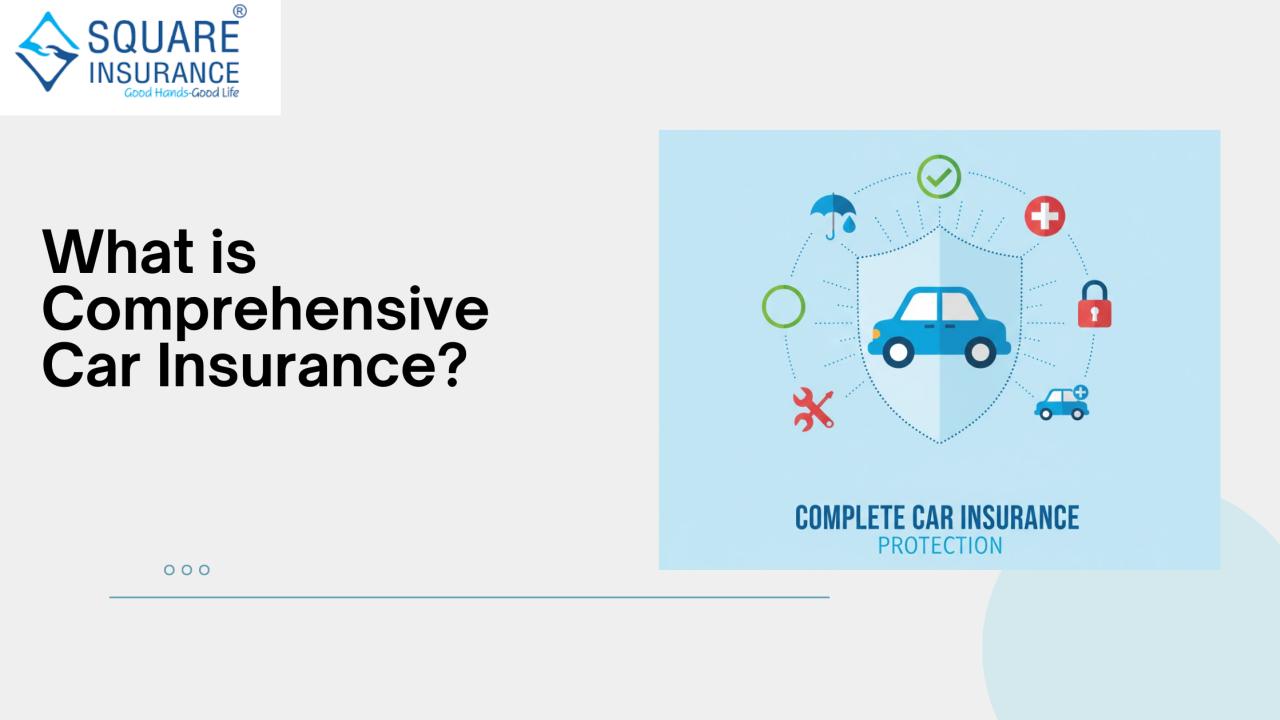
In simple terms, comprehensive car
insurance is a policy that combines third-party liability coverage with
own-damage protection. This means it covers injury or damage caused to others
as well as repair or replacement costs for your own vehicle in case of
accidents, theft, natural disasters, or other unforeseen events.
What
Does Comprehensive Car Insurance Cover?
A comprehensive car insurance policy
offers wide-ranging protection across multiple risk scenarios.
Third-Party
Liability Coverage
This is mandatory by law and covers:
- Injury or death of another person
- Damage to another person’s property or vehicle
It protects you from legal
liabilities and compensation claims arising from accidents.
Own Damage Coverage
This covers damages to your own car
caused by:
- Road accidents and collisions
- Fire and explosions
- Theft and burglary
- Natural disasters like floods, earthquakes, cyclones,
and storms
- Man-made incidents such as riots or vandalism
Repair or replacement expenses are
reimbursed based on policy terms and the car’s insured declared value (IDV).
Personal
Accident Cover
Most comprehensive policies include
personal accident protection for the owner-driver, offering financial support
in case of permanent disability or death due to an accident.
What
Is Not Covered Under Comprehensive Car Insurance?
While coverage is broad,
comprehensive insurance does not cover every situation.
Common exclusions include:
- Driving without a valid license
- Driving under the influence of alcohol or drugs
- Mechanical or electrical breakdown not caused by an
accident
- Regular wear and tear
- Driving outside geographical limits specified in the
policy
Understanding exclusions helps avoid
claim rejections and ensures realistic expectations.
Why
Comprehensive Car Insurance Is Better Than Third-Party Insurance
Many vehicle owners opt for
third-party insurance because it is cheaper, but it offers limited protection.
🔹 Third-Party Insurance
- Covers only legal liabilities toward others
- Does not cover damage to your own car
- No protection against theft or natural disasters
🔹 Comprehensive Insurance
- Covers third-party liabilities
- Covers your own vehicle damages
- Offers optional add-ons for extended protection
For anyone who wants complete
financial safety, comprehensive insurance is a far more practical and secure
option.
Role
of Add-Ons in Comprehensive Car Insurance
One of the biggest advantages of
comprehensive car insurance is the ability to enhance coverage through add-ons.
Popular add-ons include:
- Zero Depreciation Cover: No deduction for depreciation during claims
- Engine Protection Cover: Covers engine damage due to water ingress or oil
leakage
- Return to Invoice Cover: Pays the original purchase price in case of total loss
or theft
- Roadside Assistance:
Emergency help during breakdowns
- NCB Protection:
Protects your no-claim bonus even after filing a claim
Add-ons allow policyholders to
customize protection based on their driving habits, location, and vehicle
value.
How
Is Premium for Comprehensive Car Insurance Calculated?
The premium of a comprehensive
policy depends on multiple risk and vehicle-related factors.
Key
Factors Affecting Premium
- Insured Declared Value (IDV): Higher car value means higher premium
- Car Age:
Older cars usually have lower IDV but may attract different add-on costs
- Engine Capacity:
More powerful engines have higher premiums
- Location:
Urban areas with higher traffic risk may have higher premiums
- Claim History:
No-claim bonus reduces premium if no claims were made
- Add-Ons Selected:
More add-ons increase total premium
Balancing coverage and premium
ensures affordability without compromising protection.
Who
Should Buy Comprehensive Car Insurance?
Comprehensive insurance is suitable
for almost all car owners, but it is especially beneficial for:
- Owners of new or high-value cars
- People living in flood-prone or high-theft areas
- Daily commuters who face higher accident risks
- Drivers who want predictable repair expenses
- Families relying heavily on their vehicle
If repair costs or theft would cause
financial strain, comprehensive coverage becomes essential rather than optional.
How
to Choose the Right Comprehensive Policy
Choosing the right comprehensive
policy requires more than just comparing premiums.
Check Claim Settlement Support
A smooth and transparent claim
process is critical during emergencies.
Select Relevant Add-Ons
Choose add-ons based on your car’s
age, usage, and environment.
Review
Coverage Limits
Ensure the IDV reflects current
market value to avoid underinsurance.
Understand Policy Terms
Always read exclusions, deductibles,
and claim procedures carefully.
Smart selection ensures your policy
delivers value when you actually need it.
Importance
of Renewing Comprehensive Car Insurance on Time
Delaying renewal can lead to serious
financial and legal risks.
If your policy lapses:
- You lose accumulated no-claim bonus
- Your vehicle becomes legally uninsured
- You may need fresh inspection before renewal
Timely renewal ensures continuous
protection and helps maintain premium discounts.
Conclusion
Comprehensive car insurance is the most reliable way to protect yourself from financial losses arising from accidents, theft, legal liabilities, and natural disasters. It goes beyond basic legal compliance and ensures that both you and your vehicle are financially safeguarded in unpredictable situations. With the option to add customized add-ons, policyholders can build coverage that suits their life>
For drivers looking for expert
guidance, simplified policy comparison, and hassle-free support, Square Insurance helps you choose comprehensive car insurance plans that balance
strong protection with cost efficiency. With the right advice and coverage, you
can drive with confidence knowing your financial risks are well managed.
Frequently
Asked Questions
Q1.
Is comprehensive car insurance mandatory?
No, only third-party insurance is
legally mandatory. However, comprehensive insurance is highly recommended for
full protection.
Q2.
Does comprehensive insurance cover engine failure?
Only if engine damage is caused by
an accident or covered events. For water damage or oil leakage, engine
protection add-on is required.
Q3.
Can I buy comprehensive insurance for an old car?
Yes, but availability of certain
add-ons may depend on the car’s age and condition.
Q4.
Does comprehensive insurance cover theft?
Yes, theft is covered under
comprehensive car insurance, subject to policy terms.
Q5.
Can I reduce premium on comprehensive insurance?
Yes, by maintaining a no-claim
bonus, choosing relevant add-ons, and opting for voluntary deductibles, you can
lower your premium.