As organizations continue to adopt artificial intelligence and data-driven strategies, the need for advanced computing infrastructure has grown rapidly. Complex workloads such as AI model training, simulations, and real-time data processing require more than traditional servers can offer. This has made GPU as a Service a vital solution for modern cloud environments.
What Makes GPU as a Service Important?
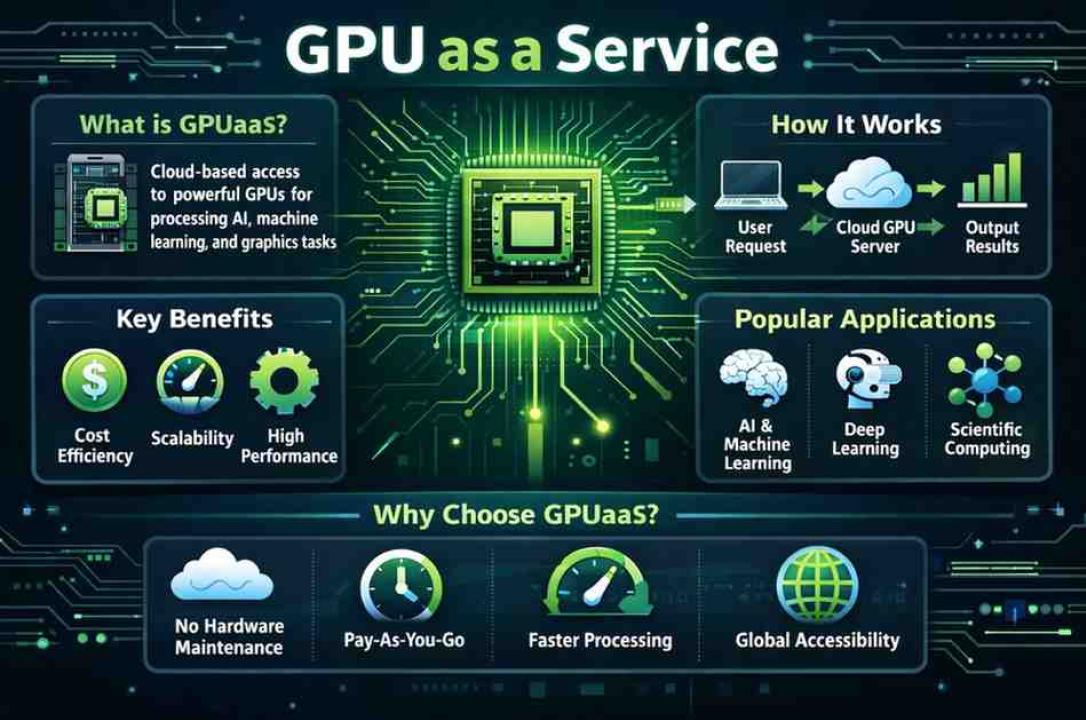
GPU as a Service allows businesses to access high-performance GPUs through the cloud without investing in physical hardware. These GPUs are hosted on a GPU Cloud Server, providing secure, scalable, and on-demand computing resources. This model helps organizations reduce infrastructure costs while improving performance.
With GPU as a Service, companies can scale computing power based on real-time needs. This flexibility is especially valuable for projects with variable workloads, such as research, development, and AI experimentation.
GPUs and High-Performance Computing
GPUs are optimized for parallel processing, which makes them highly efficient for workloads involving large datasets and complex calculations. This capability is essential for applications like deep learning, computer vision, and predictive analytics.
By adopting GPU as a Service, organizations can leverage this performance advantage without dealing with hardware maintenance or upgrades.
GPU Options in GPU Cloud Server Platforms
Most GPU Cloud Server providers offer a range of GPU configurations, including:
- A100 GPU: Known for its balanced performance, the A100 GPU is suitable for AI training, inference, and analytics workloads.
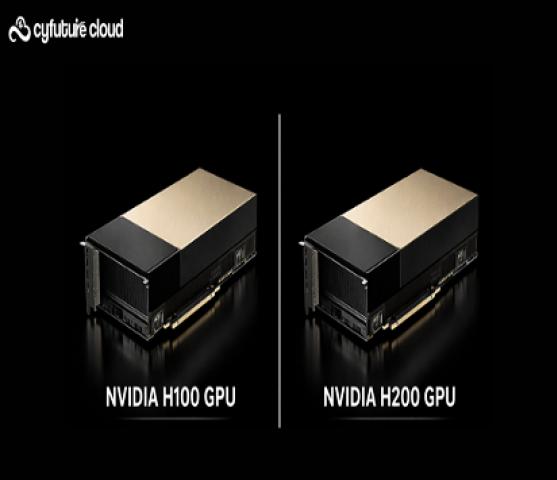
- H100 GPU: The H100 GPU is designed for large-scale AI models and high-performance computing, delivering faster processing and improved efficiency.
- H200 GPU: With increased memory and higher bandwidth, the H200 GPU is ideal for data-intensive and generative AI workloads.
Advantages of GPU as a Service
One of the biggest benefits of GPU as a Service is cost control. Instead of making large capital investments, businesses convert GPU usage into an operational expense. This makes advanced computing accessible to startups, research teams, and enterprises alike.
Another advantage is reliability. GPU Cloud Server environments are hosted in professional data centers with redundant power, cooling, and network connectivity, ensuring high availability and performance.
Use Cases Across Industries
GPU as a Service supports a wide range of use cases. In education and research, GPUs accelerate simulations and complex computations. In manufacturing, they support predictive maintenance and digital twins. E-commerce platforms use GPUs for recommendation engines and customer behavior analysis.
Startups benefit significantly from GPUaaS by gaining access to powerful GPUs like the H100 GPU without the financial burden of owning hardware.
Conclusion
GPU as a Service has become a cornerstone of modern cloud computing. By delivering scalable access to powerful GPUs through a GPU Cloud Server, it enables organizations to handle demanding workloads efficiently. With choices such as the A100 GPU, H100 GPU, and H200 GPU, businesses can select the right performance level to support innovation and growth.