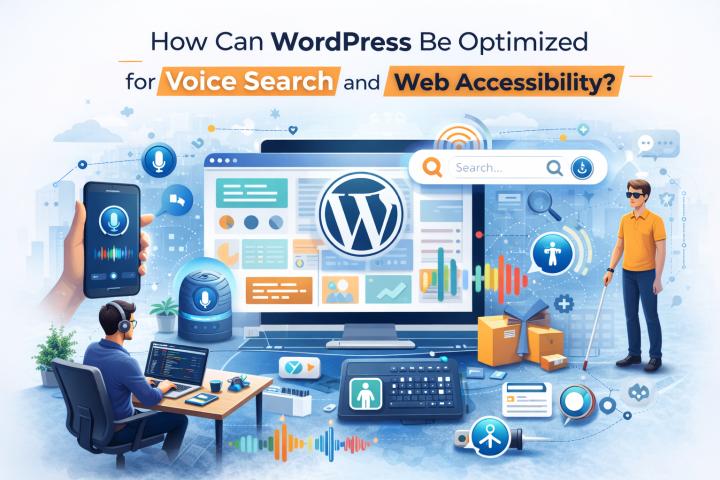
The accessibility testing market has become an essential part of the global digital ecosystem as organizations increasingly prioritize inclusive digital experiences. Accessibility testing ensures that websites, mobile applications, software, and digital platforms are usable by individuals with disabilities, including visual, auditory, cognitive, and motor impairments. According to Straits Research, rising digital transformation, expanding regulatory frameworks, and growing awareness of inclusive design are driving steady growth in the accessibility testing market worldwide.
This market research report offers a detailed overview of the global accessibility testing market, including market size trends, growth drivers, challenges, segmentation analysis, and a comprehensive assessment of leading market players, strictly based on insights from Straits Research.
Market Size
The global accessibility testing market size was valued at USD 589.06 million in 2024, reflecting the growing importance of digital inclusivity across industries.
The market is expected to grow from USD 614.43 million in 2025 to reach USD 860.99 million by 2033, growing at a CAGR of 4.32% during the forecast period (2025–2033).
Accessibility Testing Market Dynamics
Market Drivers
One of the key drivers of the accessibility testing market is the increasing adoption of digital platforms across industries such as banking, healthcare, education, retail, and government services. As organizations expand their online presence, ensuring accessibility for all users has become a critical requirement.
Rising regulatory mandates and compliance standards are also significantly contributing to market growth. Governments and regulatory bodies across various regions are enforcing digital accessibility laws and guidelines, compelling organizations to test and optimize their digital assets for accessibility compliance.
Growing awareness of inclusivity and equal digital access further supports market expansion. Businesses are increasingly recognizing that accessible digital experiences not only meet legal requirements but also enhance brand reputation, customer satisfaction, and user engagement.
The rapid growth of mobile applications and cloud-based platforms has also increased the complexity of digital environments, driving demand for specialized accessibility testing services. Organizations are adopting both automated and manual testing solutions to ensure accessibility across multiple devices, operating systems, and platforms.
Market Challenges
Despite steady growth, the accessibility testing market faces several challenges. One major challenge is the lack of skilled accessibility testing professionals. Effective accessibility testing often requires specialized knowledge of accessibility standards, assistive technologies, and user behavior, which can limit service availability and increase costs.
Another challenge is the complexity of accessibility standards and guidelines. Multiple regional and international standards can create confusion for organizations, making it difficult to implement comprehensive testing strategies across global digital platforms.
Cost considerations also pose challenges, particularly for small and medium-sized enterprises. Comprehensive accessibility testing, especially manual and user-based testing, can be resource-intensive, leading some organizations to delay or limit adoption.
Get Your Sample Report Here: https://straitsresearch.com/report/accessibility-testing-market/request-sample
Accessibility Testing Market Segmentation Analysis
By Testing Type
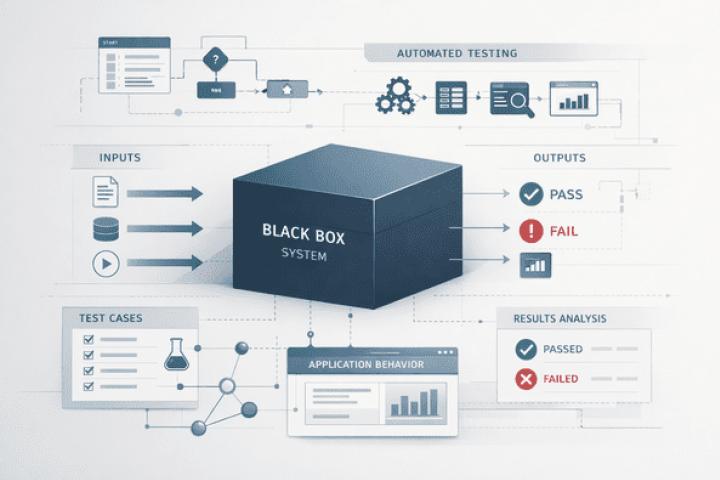
Based on testing type, the accessibility testing market is segmented into automated testing and manual testing. Automated accessibility testing holds a significant share due to its efficiency, scalability, and ability to quickly identify common accessibility issues across large digital assets.
Manual testing remains essential for evaluating complex accessibility scenarios that automated tools cannot fully assess. Manual testing involves human evaluation using assistive technologies, making it critical for ensuring real-world usability and compliance.
By Application
By application, the market is segmented into web accessibility testing, mobile accessibility testing, and document accessibility testing. Web accessibility testing accounts for a major share due to the widespread use of websites for customer engagement, e-commerce, and service delivery.
Mobile accessibility testing is gaining traction as mobile applications become a primary digital touchpoint for users. Document accessibility testing supports compliance for digital documents such as PDFs, reports, and forms used across enterprises and public institutions.
By End User
Based on end user, the accessibility testing market includes BFSI, healthcare, education, retail, IT and telecom, government, and others. The BFSI sector holds a significant share due to strict regulatory requirements and the need to provide accessible digital banking services.
Healthcare and education sectors also represent substantial market segments, driven by the growing adoption of digital health platforms and e-learning solutions. Government organizations are increasingly implementing accessibility testing to ensure public digital services are inclusive and compliant with regulations.
By Region
Regionally, the accessibility testing market is analyzed across North America, Europe, Asia-Pacific, Latin America, and the Middle East and Africa. North America dominates the market due to strong regulatory frameworks, high digital adoption, and early awareness of accessibility standards.
Europe holds a significant share supported by stringent accessibility regulations and increasing digitalization across public and private sectors. Asia-Pacific is expected to witness steady growth due to expanding IT infrastructure, rising awareness of accessibility, and increasing adoption of digital services. Latin America and the Middle East and Africa are gradually emerging as organizations in these regions strengthen digital inclusion initiatives.
Purchase the complete Accessibility Testing Market Report with in-depth data and future growth projections here: https://straitsresearch.com/buy-now/accessibility-testing-market
Competitive Landscape and Top Players Analysis
The global accessibility testing market is moderately competitive, with key players focusing on service expansion, technological innovation, and regulatory expertise. According to Straits Research, major market participants compete based on testing accuracy, service scalability, and compliance knowledge.
Leading companies invest in developing advanced accessibility testing tools that combine automation with manual validation to improve testing efficiency and accuracy.
Key players maintain strong relationships with enterprises across industries, offering customized accessibility testing services tailored to specific regulatory and operational requirements.
Strategic partnerships and acquisitions are commonly adopted to expand service portfolios and strengthen geographic presence, enabling companies to serve global clients more effectively.
Emphasis on continuous training and certification of accessibility professionals plays a crucial role in competitive positioning, ensuring high-quality testing and compliance support.
The competitive environment is expected to evolve as regulatory enforcement increases and organizations continue to prioritize inclusive digital experiences.
Future Outlook of the Accessibility Testing Market
The global accessibility testing market is expected to grow steadily through 2033, driven by expanding digital ecosystems, regulatory compliance requirements, and rising awareness of digital inclusion. The integration of accessibility testing into software development lifecycles and DevOps processes will further support market growth.
Emerging markets are anticipated to offer growth opportunities as digital transformation accelerates and accessibility awareness increases. Organizations that invest in comprehensive testing strategies and inclusive design principles are likely to gain a competitive advantage during the forecast period.