
Wireless networks have become the backbone of modern enterprise communication, and with the increasing demand for mobile connectivity, Voice over Wi-Fi (VoWi-Fi) has emerged as a critical technology. For professionals pursuing CCNP Wireless Training, understanding VoWi-Fi is essential, as it allows devices to make voice calls over Wi-Fi networks, ensuring clear communication even in areas with poor cellular coverage. By combining wireless connectivity with advanced voice technologies, organizations can provide seamless communication for employees, guests, and IoT devices.
One of the most important aspects of VoWi-Fi is seamless roaming, which enables users to move throughout a building or campus without dropping ongoing calls. This requires careful network planning, proper access point placement, and advanced features like Fast BSS Transition (802.11r) and centralized controller management. For CCNP Wireless learners, grasping these concepts is vital, as they bridge the gap between theory and practical deployment in real-world enterprise networks.
What is Voice over Wi-Fi (VoWi-Fi)?
Voice over Wi-Fi is the technology that allows mobile phones, tablets, and other devices to make voice calls over a Wi-Fi network instead of relying solely on cellular networks. By using VoWi-Fi, organizations can improve call quality in areas where cellular coverage is weak, such as inside large buildings or underground spaces.
VoWi-Fi uses standard Wi-Fi protocols but adds priority handling for voice packets to ensure calls are clear and uninterrupted. This prioritization is achieved through Quality of Service (QoS) mechanisms, which prevent voice traffic from being delayed by other types of data, like video streaming or downloads.
How Seamless Roaming Works
Seamless roaming is the ability for a device to move between Wi-Fi access points without dropping an ongoing call. Imagine walking through a large office while talking on VoWi-Fi — the call continues smoothly without interruptions. Achieving seamless roaming requires careful network design and understanding how Wi-Fi devices connect and authenticate.
Two key components make roaming possible:
Fast BSS Transition (FT): Also called 802.11r, this protocol allows devices to quickly authenticate with a new access point when moving across the network. Without FT, a device might disconnect briefly, causing the voice call to drop.
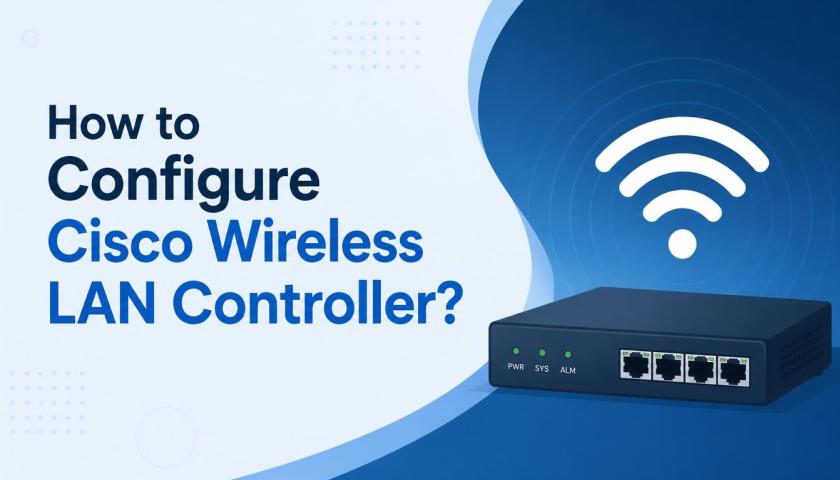
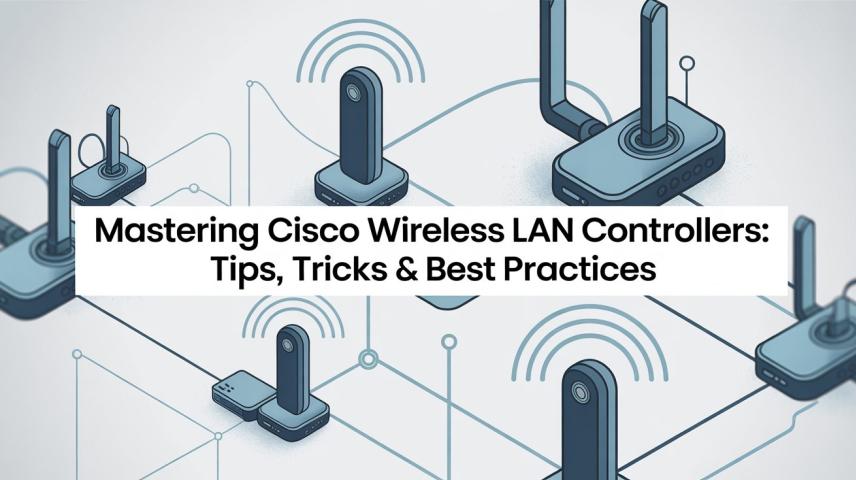
Centralized Controller Management: In enterprise environments, Cisco Wireless LAN Controllers (WLCs) manage multiple access points. They help coordinate roaming by sharing session and authentication information between access points, making handoffs faster and more reliable.
Key Considerations for VoWi-Fi Deployment
To design a network that supports high-quality VoWi-Fi and seamless roaming, several factors should be considered:
Coverage and Signal Strength: Voice calls are sensitive to weak signals. Access points should be placed to ensure strong coverage throughout the areas where VoWi-Fi is used.
Interference Management: Wi-Fi networks often share the same spectrum as other devices. Detecting and minimizing interference can significantly improve call quality.
QoS Configuration: Prioritizing voice traffic over regular data ensures that calls remain clear even when the network is busy. Cisco WLCs allow easy QoS setup for VoWi-Fi traffic.
Device Compatibility: Not all phones and tablets support VoWi-Fi equally. Testing client devices for roaming and voice quality before deployment is important.
By focusing on these areas, network engineers can create a reliable environment for VoWi-Fi users, particularly in large offices, hospitals, or campuses.
Troubleshooting Common Issues
Even with proper planning, VoWi-Fi networks may encounter problems. Some common issues include:
Dropped Calls During Roaming: Usually caused by incorrect roaming configurations. Implementing Fast BSS Transition and correctly setting up WLCs typically resolves this.
Poor Call Quality: Weak signals, interference, or misconfigured QoS can lead to choppy audio or echo. Regular RF surveys and performance monitoring are essential.
Authentication Failures: Devices may fail to reconnect during roaming if authentication settings on WLCs or access points are inconsistent. Ensuring uniform security policies prevents this.
Regular monitoring and periodic site surveys are essential to maintain optimal VoWi-Fi performance.
Conclusion
VoWi-Fi and seamless roaming are no longer optional for modern enterprises — they are expected features for any robust wireless network. For those pursuing CCNP Wireless Training, mastering these concepts is a critical step toward real-world network deployment and troubleshooting skills. A strong understanding of VoWi-Fi, Fast BSS Transition, QoS, and controller-managed roaming will prepare you for challenges in the field.
By investing time in hands-on practice, labs, and learning resources such as a CCNP Wireless Course, engineers can confidently design and support voice-capable wireless networks. Whether you aim for CCNP Wireless Certification or advancing in enterprise networking, knowledge of VoWi-Fi and seamless roaming ties directly into broader CCNP Enterprise Wireless Training and the overall CCNP Wireless path, ensuring you are well-prepared for both exams and real-world deployments.