Introduction
Two-wheelers
are an essential part of daily transportation in India, offering affordability,
convenience, and flexibility on crowded roads. From office commutes to
long-distance travel, bikes and scooters play a vital role in everyday life.
However, with increasing traffic density and road risks, riding without
financial protection can lead to serious consequences.
In
today’s scenario, two-wheeler insurance is not just a legal formality
but a crucial safety net for riders. It safeguards you from unexpected
expenses, legal liabilities, and financial stress arising from accidents or
damage. Understanding its importance helps every rider make informed and responsible
decisions.
What Is Two-Wheeler Insurance?
Two-wheeler
insurance is a contract between the policyholder and the insurer that provides
financial protection against losses related to a bike or scooter. It covers
damages caused by accidents, theft, natural calamities, and third-party
liabilities, depending on the type of policy chosen.
In India,
having at least third-party insurance is mandatory under the Motor Vehicles
Act. However, comprehensive coverage offers broader protection and greater
peace of mind.
Why Two-Wheeler Insurance Is Mandatory in India
The
Government of India mandates third-party insurance to ensure that victims of
road accidents are financially compensated. If a rider causes injury, death, or
property damage to a third party, the insurance policy covers the associated
legal and compensation costs.
Riding
without valid insurance can result in fines, penalties, and even legal action.
More importantly, it exposes riders to significant financial risk.
Financial Protection Against Accidents
Accidents
can happen even to the most cautious riders. Medical bills, repair costs, and
legal expenses can be financially draining. Two-wheeler insurance acts as a
financial shield by covering repair expenses and third-party liabilities.
Without
insurance, even a minor accident can disrupt your savings and long-term
financial plans.
Protection Against Theft and Natural Calamities
Bike
theft is a common concern in urban and semi-urban areas. A comprehensive
two-wheeler insurance policy compensates you for theft or total loss of the
vehicle.
It also
provides coverage against natural calamities such as floods, earthquakes,
cyclones, and fires—events that are unpredictable and often beyond human
control.
Legal Compliance and Peace of Mind
Having
valid insurance ensures that you remain compliant with Indian traffic laws.
This compliance not only helps you avoid penalties but also gives you
confidence while riding.
Knowing
that you are legally and financially protected allows you to focus on riding
safely rather than worrying about unforeseen expenses.
Third-Party vs Comprehensive Two-Wheeler Insurance
Understanding
policy types is essential to realize the importance of insurance:
Third-Party Insurance
This
covers liabilities arising from injury, death, or property damage to a third
party. It is mandatory but offers limited protection.
Comprehensive Insurance
This
includes third-party coverage along with protection for your own vehicle
against accidents, theft, and disasters. It provides complete financial
security and is highly recommended.
Choosing
the right type depends on your usage, budget, and risk exposure.
Importance of Add-On Covers
Add-ons
enhance the scope of your two-wheeler insurance. Popular add-ons include zero
depreciation cover, engine protection, roadside assistance, and
return-to-invoice cover.
These
optional benefits help reduce out-of-pocket expenses and improve claim
settlements, especially for new or high-value bikes.
Role of Two-Wheeler Insurance in Long-Term Savings
Many
riders see insurance as an expense, but in reality, it is a long-term saving
tool. Timely renewals and claim-free years help you earn a No Claim Bonus,
which reduces future premiums.
As
someone with over 15 years of experience in insurance content, I’ve seen how
insured riders recover faster—financially and emotionally—after accidents
compared to uninsured ones.
Digital Convenience and Awareness
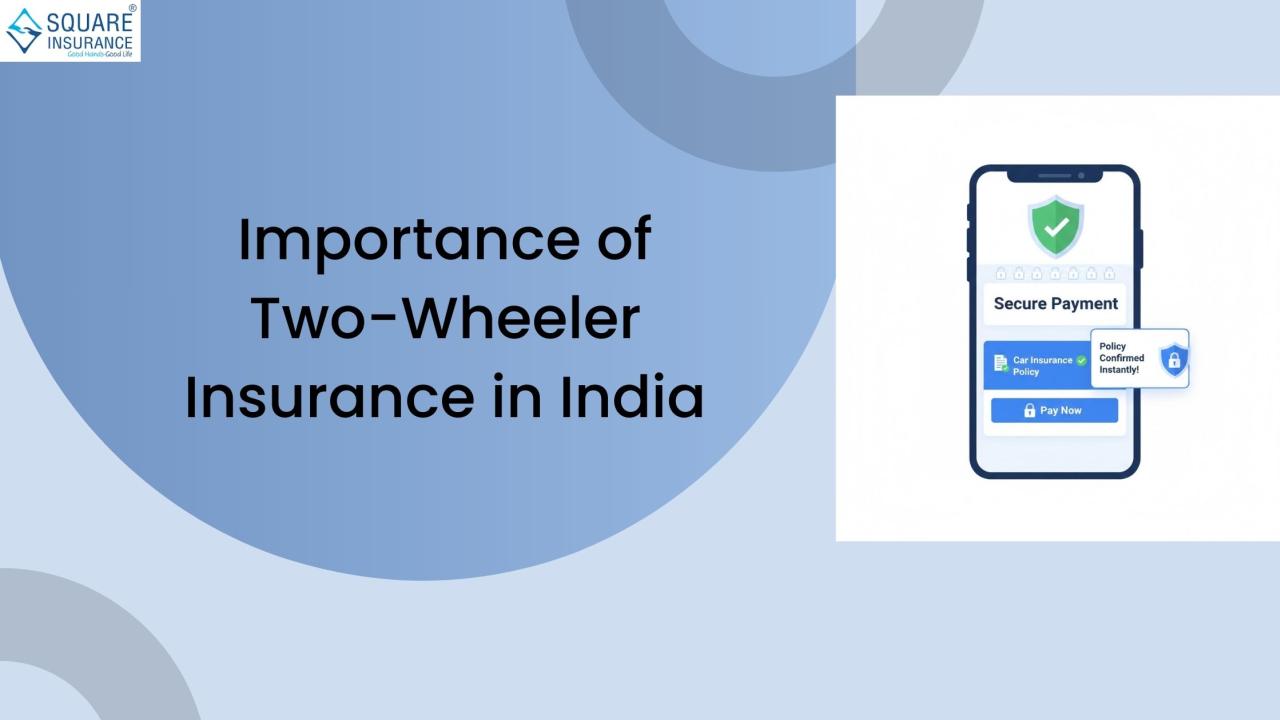
With the
rise of online platforms, buying and managing two-wheeler insurance has become
easier. Riders can compare policies, customize coverage, and renew insurance
without paperwork.
This
increased accessibility has improved awareness about insurance benefits and
encouraged responsible riding habits across India.
Why Every Rider Should Take Insurance Seriously
Two-wheeler
insurance is not only about meeting legal requirements-it’s about protecting
yourself, your family, and others on the road. It ensures financial stability
during emergencies and supports ethical responsibility as a road user.
Ignoring
insurance can lead to heavy financial losses and legal complications that far
outweigh the cost of a policy.
Conclusion
The
importance of two-wheeler insurance in India cannot be overstated. It offers
financial security, legal compliance, and peace of mind in an unpredictable
traffic environment. Whether you ride daily or occasionally, insurance ensures
that unforeseen events do not derail your financial well-being.
For
riders seeking clarity and reliable guidance, Square Insurance helps
simplify the understanding of two-wheeler insurance, enabling informed
decisions that align with both legal requirements and personal protection
needs.
FAQs
1. Is two-wheeler insurance mandatory in India?
Yes,
third-party two-wheeler insurance is mandatory under Indian law.
2. What happens if I ride without two-wheeler
insurance?
Riding
without insurance can lead to fines, legal penalties, and financial liability
in case of an accident.
3. Which type of two-wheeler insurance is best?
Comprehensive
insurance is generally the best choice as it covers both third-party
liabilities and own vehicle damage.
4. Does two-wheeler insurance cover theft?
Yes,
theft is covered under comprehensive two-wheeler insurance policies.
5. Can I reduce my two-wheeler insurance premium?
Yes,
maintaining a claim-free record, choosing relevant add-ons, and renewing on
time can help lower premiums.