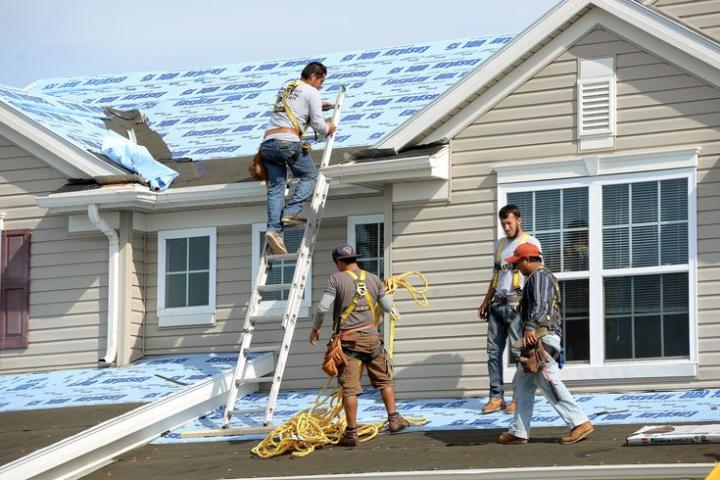
Roofing projects are often out of sight and out of mind—until something goes wrong. Whether it’s a small leak, visible wear, or storm-related damage, knowing how to approach a roofing project can save homeowners time, money, and frustration. Before scheduling repairs or maintenance, it’s important to understand how roofing systems age, what factors influence repair decisions, and how preparation leads to better long-term outcomes.
This guide walks through key considerations every homeowner should keep in mind before moving forward with a roofing project, helping you make informed, confident decisions.
Understanding the True Condition of Your Roof
Many homeowners assume roofing problems are obvious, but some of the most damaging issues develop quietly. Surface-level wear doesn’t always reflect what’s happening beneath the shingles.
A roof’s condition depends on several factors, including:
Material type (asphalt shingles, metal, tile, etc.)
Installation quality
Ventilation and insulation
Exposure to sun, wind, and moisture over time
Because of this, two roofs of the same age can be in very different condition. A professional inspection helps clarify whether you’re dealing with cosmetic wear, localized damage, or more systemic concerns.
Signs It May Be Time to Act
Waiting too long to address roofing issues often leads to higher costs and more extensive repairs. While every roof is different, certain warning signs consistently indicate the need for attention.
Exterior Indicators
Curling, cracked, or missing shingles
Granules collecting in gutters or at downspouts
Uneven or sagging rooflines
Interior Indicators
Water stains on ceilings or walls
Damp insulation or attic odors
Increased indoor humidity
If any of these signs appear, it’s usually more cost-effective to address them early rather than wait for further deterioration.
Repair vs. Replacement: Knowing the Difference
One of the most common homeowner concerns is whether a roof needs repair or full replacement. The answer depends on the extent and location of the damage, not just the roof’s age.
In general:
Repairs are suitable for isolated damage, minor leaks, or storm-related issues
Replacement may be necessary when damage is widespread or materials have reached the end of their lifespan
A reliable assessment helps homeowners avoid unnecessary replacements while ensuring repairs are sufficient to protect the structure long term.
Timing Matters More Than You Think
Roofing projects are often influenced by weather, scheduling availability, and urgency. Planning ahead gives homeowners more flexibility and better outcomes.
Benefits of early planning include:
More scheduling options instead of emergency repairs
Reduced risk of interior damage during storms
Time to evaluate recommendations without pressure
Homeowners who proactively consult South Metro Atlanta roofing specialists often find that addressing issues before peak damage seasons leads to smoother projects and better results.
Preparing Your Home for a Roofing Project
Even smaller roofing projects benefit from a bit of preparation. While professionals handle the technical work, homeowners can take steps to protect their property and reduce disruption.
Helpful preparation steps include:
Moving vehicles away from the home
Securing fragile items inside the house
Clearing yard areas around the roofline
Notifying household members about potential noise
These small efforts help ensure the project stays focused, efficient, and safe.
The Importance of Clear Communication
A successful roofing project relies heavily on communication. Homeowners should feel comfortable asking questions and understanding the scope of work being recommended.
Key topics to clarify include:
What specific issues are being addressed
Whether repairs are preventative or corrective
Expected timelines and potential delays
How the work may impact daily routines
Clear expectations help avoid misunderstandings and ensure everyone is aligned on the project goals.
Long-Term Value of Professional Insight
Roofing decisions affect more than just the exterior of a home. They influence energy efficiency, structural integrity, and even resale value. Gaining professional insight helps homeowners balance short-term needs with long-term performance.
For those seeking additional perspective on roofing evaluations, maintenance considerations, and repair approaches, visiting South Metro Atlanta roofing specialists can offer useful context when planning next steps.
Conclusion: Informed Decisions Lead to Better Outcomes
Scheduling a roofing project doesn’t have to feel overwhelming. By understanding your roof’s condition, recognizing early warning signs, and planning ahead, you put yourself in control of the process. Thoughtful preparation and informed decision-making help ensure your roof continues to protect your home efficiently and reliably.
When homeowners take a proactive approach, roofing projects become less about reacting to problems and more about preserving comfort, safety, and long-term value.