Introduction
Your home network deserves better than spotty Wi-Fi connections and buffering videos. While wireless technology continues to improve, nothing beats the reliability and speed of a wired Ethernet connection. Whether you're setting up a home office, gaming station, or smart home hub, choosing the right Ethernet cable makes all the difference in your network performance.
Most homeowners face confusion when shopping for network cables. The market offers multiple categories, each with different specifications and price points. This guide cuts through the technical jargon and helps you select the perfect cable for your specific needs.
Understanding Ethernet Cable Categories
Manufacturers classify Ethernet cables into categories based on their performance capabilities. Each category supports different speeds and frequencies, which directly impact your network's efficiency.
Cat5e Cables: The Budget Option
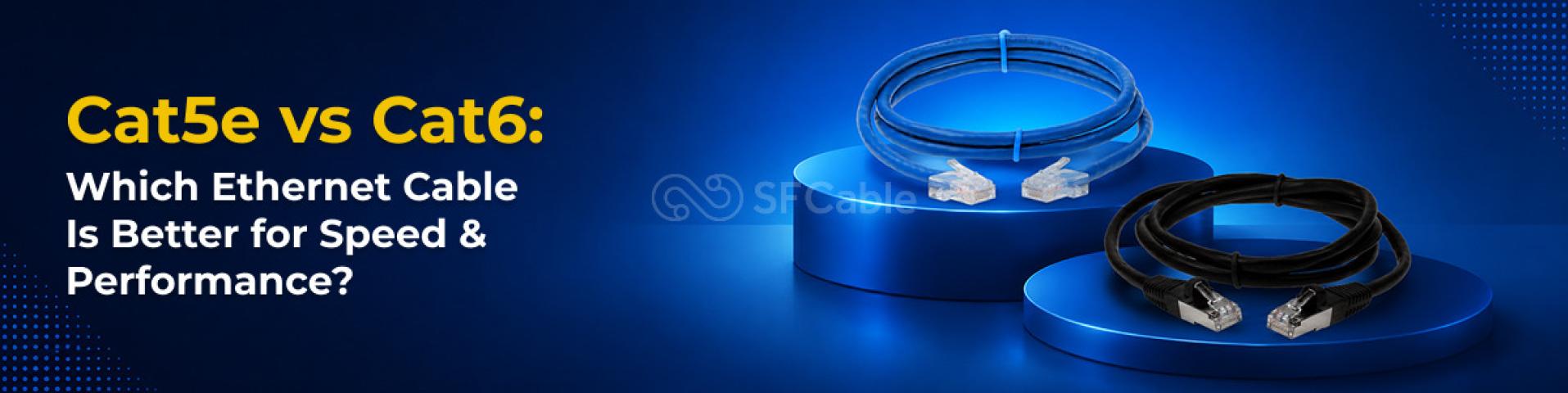
Cat5e (Category 5 enhanced) cables represent the minimum standard for modern networking. These cables support speeds up to 1 Gigabit per second (Gbps) over distances of 100 meters. Many older homes still use Cat5e cables, and they work adequately for basic internet browsing and streaming.
However, Cat5e cables show their limitations with bandwidth-intensive activities. They support frequencies up to 100 MHz, which restricts their ability to handle multiple high-speed connections simultaneously.
Cat6 Cables: The Sweet Spot for Most Homes
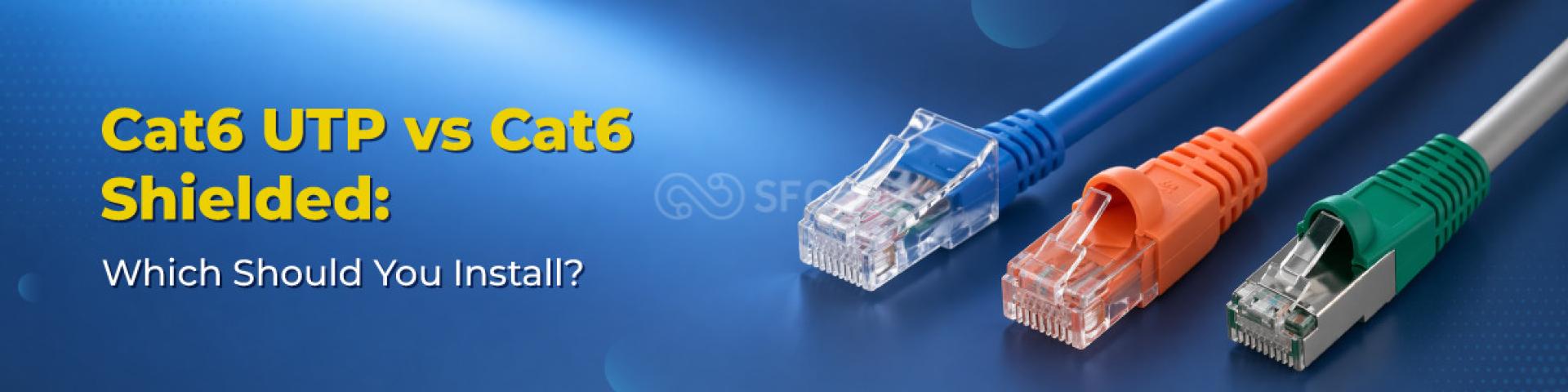
Cat6 cables have become the gold standard for residential networking. These cables deliver speeds up to 10 Gbps over shorter distances (up to 55 meters) and maintain 1 Gbps speeds over the full 100-meter range. The improved construction of cat6 cables includes tighter wire twists and better shielding, which significantly reduces crosstalk and electromagnetic interference.
Most importantly, cat6 cables support frequencies up to 250 MHz. This doubled bandwidth compared to Cat5e allows you to run multiple devices at high speeds without performance degradation. Your 4K streaming, online gaming, and video conferencing all benefit from this enhanced capacity.
Cat6a Cables: Future-Proofing Your Network
Cat6a (augmented) cables take performance even further. These cables maintain 10 Gbps speeds over the full 100-meter distance and support frequencies up to 500 MHz. The additional shielding makes Cat6a cables thicker and less flexible than standard cat6 cables, which can complicate installation in tight spaces.
For most residential applications, Cat6a represents overkill. However, if you're building a new home or planning extensive renovations, Cat6a cables provide excellent future-proofing for emerging technologies.
Why Cat6 Cables Win for Home Networking
After evaluating various options, cat6 cables emerge as the optimal choice for most homeowners. Here's why they strike the perfect balance:
Performance Meets Practicality
Cat6 cables deliver enterprise-grade performance at consumer-friendly prices. You get reliable 10 Gbps speeds for devices located near your router or switch, while maintaining excellent 1 Gbps performance throughout your home. This versatility covers virtually every residential networking scenario you'll encounter.
Cost-Effective Upgrade
The price difference between Cat5e and cat6 cables has narrowed considerably. Spending slightly more on cat6 cables provides substantial performance benefits without breaking your budget. You avoid the diminishing returns that come with more expensive Cat6a or Cat7 options.
Easy Installation
Unlike the bulkier Cat6a cables, cat6 cables maintain reasonable flexibility. You can route them through walls, around corners, and into tight spaces without excessive difficulty. The standard RJ45 connectors work with all common networking equipment, ensuring broad compatibility.
Adequate Shielding
Cat6 cables incorporate improved shielding that protects against interference from electrical wires, fluorescent lights, and other cables. This shielding proves especially valuable in homes with complex electrical systems or multiple network runs in close proximity.
Matching Cables to Your Needs
Different areas of your home require different networking approaches. Understanding these requirements helps you deploy cat6 cables strategically.
Home Office Connections
Your work-from-home setup demands reliable connectivity. Run cat6 cables directly from your router to your desk location. This dedicated connection eliminates the latency and dropouts that plague Wi-Fi-dependent video calls and cloud applications.
Gaming Stations
Serious gamers need every millisecond advantage they can get. Cat6 cables provide the low-latency, high-bandwidth connections that competitive gaming requires. You'll experience smoother gameplay, faster downloads, and more stable connections during crucial moments.
Entertainment Centers
Smart TVs, streaming devices, and gaming consoles all benefit from wired connections. Cat6 cables ensure your 4K and HDR content streams without buffering, while simultaneous device usage doesn't impact performance.
Security Systems and Smart Home Devices
IP cameras, smart hubs, and network-attached storage devices need consistent connectivity. Cat6 cables provide the reliability these always-on devices require, eliminating the connection drops that can compromise security monitoring or automation routines.
Installation Best Practices
Even the best cat6 cables won't perform optimally without proper installation. Follow these guidelines for maximum performance:
Avoid Sharp Bends
Never bend cables at angles sharper than four times the cable diameter. Sharp bends damage the internal wire structure and degrade performance.
Maintain Separation from Power Lines
Keep cat6 cables at least six inches away from electrical wiring. When cables must cross power lines, do so at 90-degree angles to minimize interference.
Use Quality Connectors
Cheap connectors undermine your entire network. Invest in quality RJ45 connectors and ensure proper termination. Poor connections cause packet loss and speed reduction.
Test Your Installation
After installation, test each cable run with a network tester. Verify that you're achieving expected speeds and that no connection errors occur under load.
Conclusion
For most homeowners, cat6 cables represent the ideal choice for building or upgrading a home network. They deliver exceptional performance for current needs while providing headroom for future internet speed increases. The reasonable cost, manageable installation requirements, and broad compatibility make cat6 cables the clear winner for residential networking projects.
Whether you're setting up a single connection or wiring your entire home, cat6 cables provide the reliability, speed, and value that modern households demand. Make the smart choice—skip the outdated Cat5e cables and avoid the unnecessary expense of Cat6a, and embrace the perfect middle ground that cat6 cables offer.
Source: https://digitalzoneblog.com/ethernet-cables-for-home-networking/