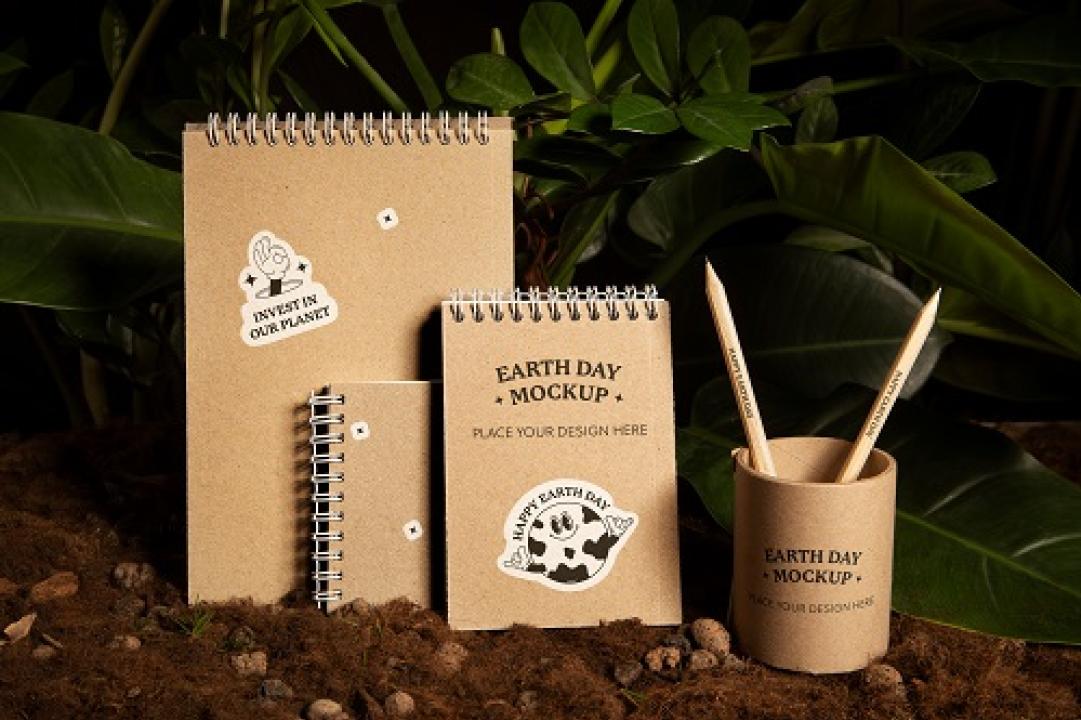
As environmental awareness continues to grow, schools and offices are under increasing pressure to adopt sustainable practices. From reducing plastic use to minimizing paper waste, institutions are rethinking everyday supplies. One of the most impactful yet simple changes is switching to plantable stationery.
Made from seed paper, plantable stationery offers an innovative solution that combines functionality with environmental responsibility. Instead of contributing to waste, these products can be planted after use, growing into plants and supporting a greener future.
This article explains why plantable stationery is the best eco-friendly choice for schools and offices, highlighting its environmental, educational, and organizational benefits.
What Is Plantable Stationery?
Plantable stationery is created using seed paper, a biodegradable paper embedded with live seeds. Once used, the paper can be planted in soil, where it naturally decomposes and allows the seeds to germinate.
Common plantable stationery products include:
- Notebooks and writing pads
- Business cards
- Certificates and report covers
- Greeting cards and invitations
- Bookmarks and tags
- Flyers and awareness material
These products perform just like regular stationery but leave a positive environmental impact.
Why Eco-Friendly Stationery Matters in Schools & Offices
Schools and offices are major consumers of paper. Daily activities such as note-taking, printing, documentation, meetings, and exams generate large volumes of waste. Traditional stationery often ends up in landfills, contributing to pollution and deforestation.
Switching to eco-friendly alternatives like plantable stationery helps institutions:
- Reduce paper waste
- Promote sustainability
- Set an example of responsible consumption
- Align with green initiatives and policies
Environmental Benefits of Plantable Stationery
1. Reduces Paper Waste
Plantable stationery eliminates the “use and throw” cycle. Instead of being discarded, paper is planted, reducing landfill waste significantly—especially important for schools and offices with high paper usage.
2. Biodegradable & Non-Toxic
Seed paper is 100% biodegradable and free from harmful chemicals. It breaks down naturally in soil without polluting the environment, making it safe for campuses and workspaces.
3. Supports Tree Conservation
Most seed paper is made from recycled materials, reducing the demand for virgin paper and helping conserve forests.
4. Encourages Green Growth
Each planted sheet grows into flowers, herbs, or vegetables—improving air quality and supporting biodiversity.
Why Plantable Stationery Is Ideal for Schools
Promotes Environmental Education
Plantable stationery is an excellent educational tool. Students learn about:
- Recycling
- Sustainability
- Plant life cycles
- Environmental responsibility
Planting seed paper turns learning into a hands-on experience, making environmental education practical and engaging.
Encourages Eco-Conscious Habits
When students use plantable notebooks, bookmarks, or certificates, they naturally develop awareness about waste reduction and caring for nature.
Safe & Child-Friendly
Seed paper products are non-toxic and safe for children, making them ideal for schools and educational institutions.
Supports Green School Initiatives
Many schools aim to become eco-friendly or “green schools.” Plantable stationery aligns perfectly with:
- Environmental clubs
- Plantation drives
- Earth Day activities
- Sustainability programs
Why Plantable Stationery Works for Offices
Enhances Corporate Sustainability
Offices are increasingly focused on sustainability and CSR initiatives. Using plantable stationery reflects a company’s commitment to environmental responsibility.
Ideal for Corporate Branding
Plantable business cards, notebooks, and folders help businesses:
- Stand out with eco-friendly branding
- Leave a lasting impression
- Appeal to environmentally conscious clients and employees
Reduces Office Waste
Large offices generate significant paper waste. Switching to plantable stationery helps reduce environmental impact without compromising functionality.
Boosts Employee Engagement
Eco-friendly initiatives like plantable stationery encourage employees to participate in sustainability efforts, boosting morale and awareness.
Common Plantable Stationery Products for Schools & Offices
Plantable Notebooks & Writing Pads
Perfect for students, teachers, and office staff, these notebooks function like regular ones but can be planted after use.
Plantable Certificates & Report Covers
Used for awards, events, and achievements, plantable certificates add meaning and sustainability to recognition.
Plantable Business Cards
Eco-friendly business cards help professionals showcase sustainability while networking.
Plantable Bookmarks & Study Aids
Ideal for schools, libraries, and training institutes.
Plantable Flyers & Awareness Material
Used for campaigns, notices, and CSR activities, these materials spread information while supporting greenery.
Cost-Effectiveness for Institutions
While plantable stationery may appear slightly more expensive initially, it offers long-term value:
- Reduced waste management costs
- Enhanced brand or institutional reputation
- Educational and environmental benefits
- Alignment with sustainability goals
For bulk orders, many suppliers offer competitive pricing, making it accessible for schools and offices.
How to Use Plantable Stationery
Planting seed paper is easy and engaging:
- Tear the paper into small pieces
- Place in soil or a pot
- Cover lightly with soil
- Water regularly
- Provide sunlight
Within a few days to weeks, plants begin to grow, depending on the seed type.
Supporting Government & Global Green Initiatives
Using plantable stationery helps schools and offices align with:
- Sustainability policies
- Green campus initiatives
- Environmental awareness programs
- Global goals for waste reduction and conservation
It’s a small change that supports big environmental objectives.
Choosing the Right Plantable Stationery
When selecting plantable stationery for institutions, consider:
- Quality of recycled paper
- Locally suitable seeds
- Natural inks and dyes
- Clear planting instructions
- Ethical sourcing and manufacturing
Reliable products ensure better results and satisfaction.
Final Thoughts
Why Plantable Stationery Is the Best Eco-Friendly Choice for Schools & Offices comes down to one simple truth: it transforms everyday paper use into an opportunity for positive change.
For schools, it educates and inspires students. For offices, it supports sustainability, branding, and corporate responsibility. In both cases, plantable stationery reduces waste, promotes greenery, and builds a culture of environmental awareness.
By choosing plantable stationery, schools and offices don’t just reduce their footprint—they help grow a greener future, one page at a time 🌿