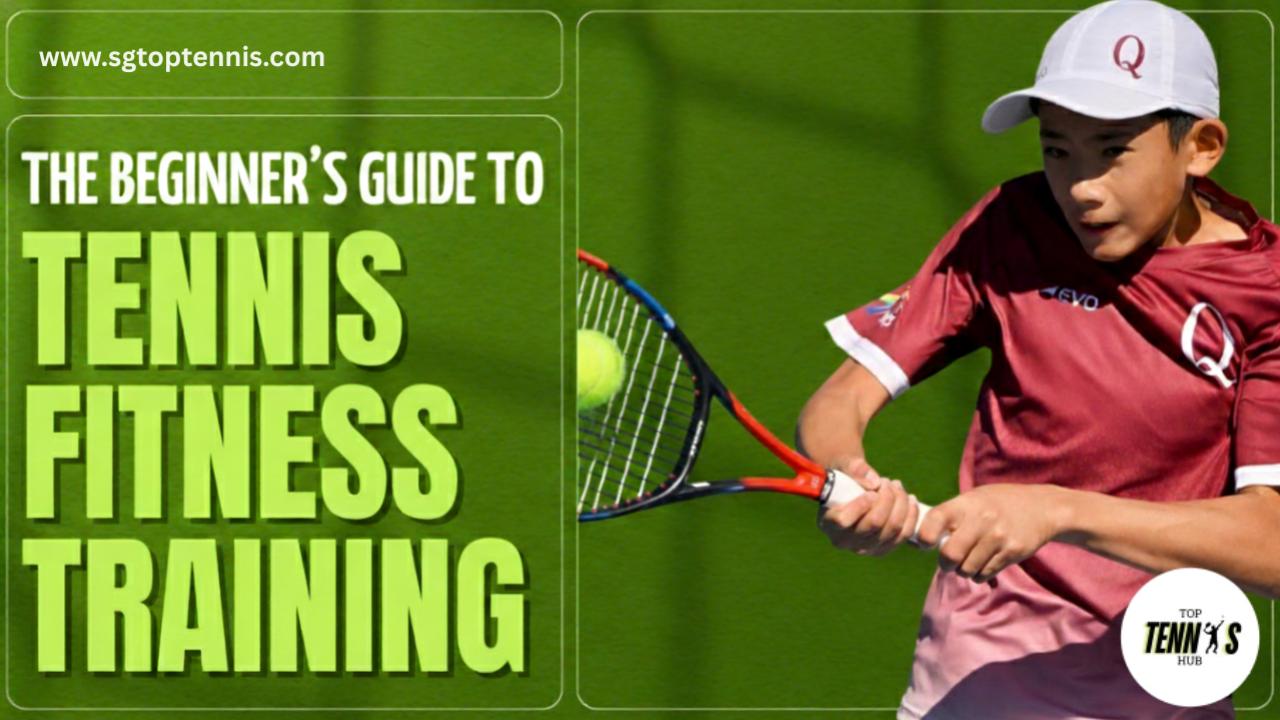
After picking up a racket and hitting a few balls, you've understood something crucial: technique isn't the only aspect of tennis. After three games, your shoulder feels like jelly, your legs are burning, and you're having trouble breathing while your opponent appears to be brand new. Welcome to the harsh reality check that every novice player must endure: tennis requires a high level of physical condition. The good news is that you can move from being a breathless beginner to a confident contender more quickly than you might imagine if you have the proper foundation.
Whether you're enrolling in tennis lessons for beginners or diving into adult beginner tennis lessons, understanding tennis-specific fitness is your secret weapon. Let's break down exactly how to build a body that matches your ambition on the court.
Start with Tennis Fitness Testing
Before jumping into any training program, you need to know where you stand. Think of fitness testing as your personal GPS—it shows you exactly where you are and helps map the journey ahead.
Key assessments for tennis include:
Cardiovascular endurance: Can you sustain rallies without huffing and puffing? Try a simple 12-minute run test or track how long you can maintain continuous movement during practice.
Agility and footwork: Tennis is a game of explosive movements and quick direction changes. Set up cone drills to measure your lateral speed and reaction time.
Core stability: Your core powers every stroke. Plank tests reveal whether you have the foundation to generate real racket speed.
Flexibility: Tight hips and shoulders limit your range of motion and increase injury risk. Simple sit-and-reach tests or shoulder rotation assessments provide baseline data.
Document these results. In six weeks, you'll be amazed at your progress—and nothing motivates like seeing measurable improvement.
Build Your Tennis Fitness Foundation: Strength, Flexibility, and Movement
Now comes the transformation phase. Tennis-specific fitness training targets three critical pillars:
Strength Training for Tennis Power
Forget bodybuilder routines. Tennis demands functional strength that translates to court performance. Focus on:
- Leg exercises like squats, lunges, and step-ups that build the explosive power needed for serves and groundstrokes
- Rotational movements using medicine balls or resistance bands that mimic your swing mechanics
- Shoulder stabilization exercises to protect your joints during thousands of repetitions
Start with bodyweight exercises twice weekly, then gradually add resistance as you build confidence. Many tennis classes Singapore facilities incorporate strength training into their programs, making it easier to stay consistent.
Flexibility for Injury Prevention
Flexibility isn't optional—it's essential insurance against pulled muscles and joint pain. Dedicate 10-15 minutes daily to:
- Dynamic stretching before play (leg swings, arm circles, torso rotations)
- Static stretching after training (hamstrings, hip flexors, shoulders)
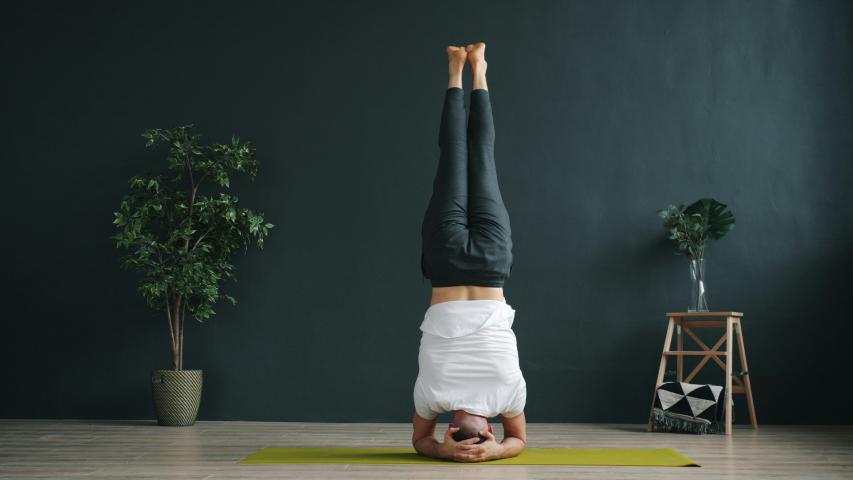
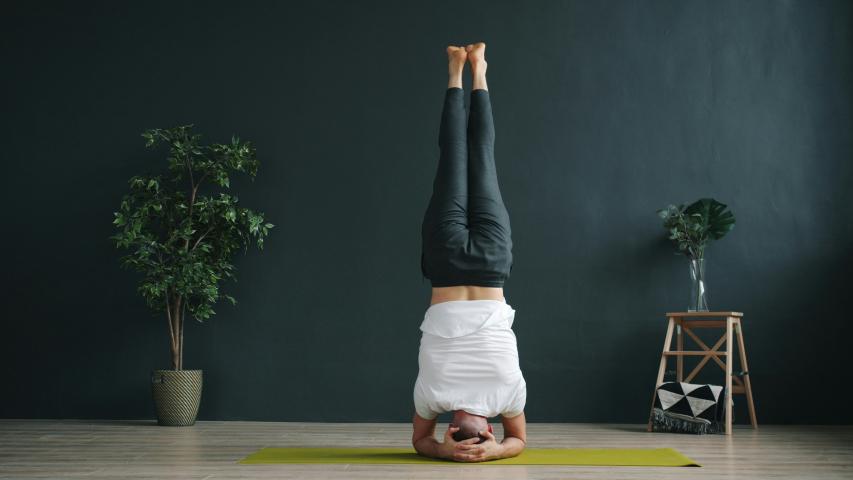
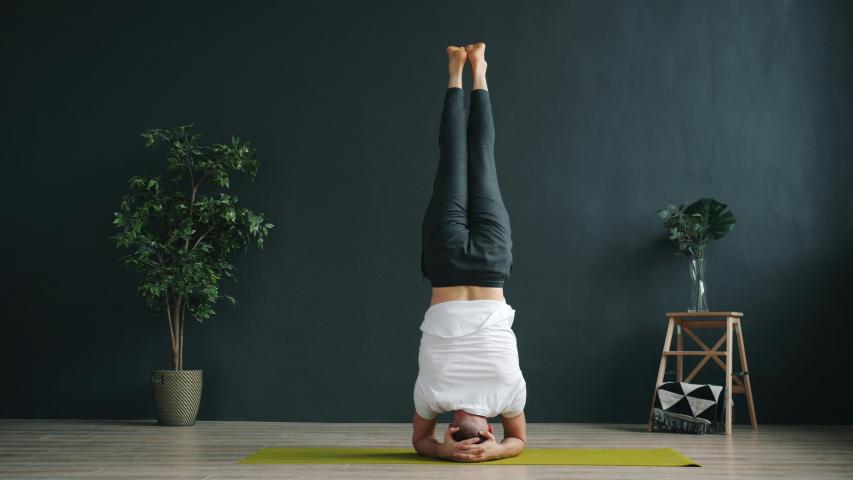
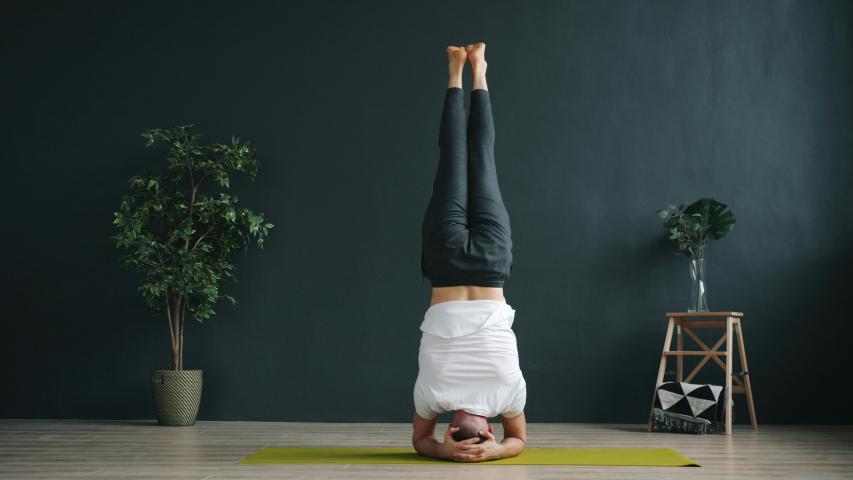
- Yoga or Pilates sessions once weekly for full-body mobility
The beauty of adult beginner tennis lessons is that instructors understand mature bodies need proper warm-up and recovery protocols. Don't skip this step.
Movement Patterns and Footwork
Great tennis players don't just react—they anticipate and move efficiently. Shadow drills, ladder exercises, and cone work develop the neuromuscular patterns that make you look smooth on court. Practice:
- Split-step timing to prepare for opponent shots
- Cross-over and shuffle steps for lateral coverage
- Recovery steps to return to ready position quickly
Fifteen minutes of dedicated footwork three times weekly will dramatically improve your court coverage.
3. Be Consistent and Follow a Specific Plan
Random workouts produce random results. Your fitness training needs structure just like your tennis lessons for beginners follow a curriculum.
Create a weekly schedule that balances:
- Court time (2-3 sessions minimum)
- Strength training (2 sessions)
- Cardiovascular conditioning (2-3 sessions)
- Flexibility work (daily)
- Rest and recovery (1-2 days)
The secret isn't doing everything perfectly—it's showing up consistently. Missing occasional workouts won't derail your progress, but inconsistent effort guarantees you'll plateau quickly.
Track your training in a simple journal or app. Note what you did, how you felt, and any improvements you noticed during actual play. This creates accountability and helps identify what works best for your body.
Final Tips to Get Started
Starting a tennis fitness journey can feel overwhelming, but these practical tips smooth the path:
Start small: Twenty minutes of focused training beats an ambitious two-hour plan you'll abandon by week three. Build gradually.
Hydrate properly: Tennis in Singapore's climate demands serious hydration. Drink water before, during, and after training.
Listen to your body: Soreness means you're adapting. Sharp pain means something's wrong. Learn the difference and adjust accordingly.
Find accountability: Training partners or group fitness classes keep you motivated when enthusiasm wanes.
Celebrate progress: Did you play an extra set without exhaustion? Did your forehand suddenly feel more powerful? Acknowledge these wins—they fuel continued commitment.
Choose Top Tennis Academy in Singapore
SG Top Tennis offers comprehensive programs specifically designed for tennis lessons for beginners and adult beginner tennis lessons, ensuring that players of all ages and fitness levels receive personalized attention. Their coaching philosophy integrates fitness training with technical development, recognizing that true tennis excellence requires both physical conditioning and skilled execution.
What sets SG Top Tennis apart:
- tennis lessons for beginners
- adult beginner tennis lessons
- group tennis lessons
- private tennis lessons
Conclusion
Establishing the proper fitness foundation is the first step towards your tennis transformation. Recall that consistent 20-minute practices will add up to incredible court performance in a matter of weeks—consistency is more important than perfection. Combining technical teaching with appropriate fitness training is the key to success, whether you're looking for beginner tennis lessons or committing to adult beginner tennis lessons.