
Businesses today are under constant pressure to work faster, smarter, and more efficiently. Managing customer relationships with spreadsheets or generic tools often leads to missed opportunities and poor experiences. That’s where custom-built CRM solutions step in — designed to fit real workflows instead of forcing teams to adapt to rigid systems.
Understanding the Real Need Behind CRM Automation
Most companies invest in CRM platforms hoping to streamline operations. But many off-the-shelf tools come with:
- Unnecessary features that slow teams down
- Limited customization
- Integration challenges with existing software
- Rising subscription costs
Over time, these issues reduce productivity rather than improving it.
Custom CRM development services solve this by building systems tailored to how your business actually works.
How Custom CRM Transforms Business Automation
Instead of working around limitations, custom CRM systems align perfectly with business goals.
Here’s how they make a difference:
1. Streamlined Workflows
Every department — sales, support, marketing, operations — gets tools designed specifically for their tasks.
2. Smart Automation
Automate repetitive processes such as:
- Lead assignment
- Follow-ups
- Invoice generation
- Reporting
This reduces human error and saves valuable time.
3. Better Customer Experience
Personalized data tracking allows businesses to understand customer behavior and respond faster.
4. Seamless Integrations
Custom CRMs connect easily with:
- Accounting software
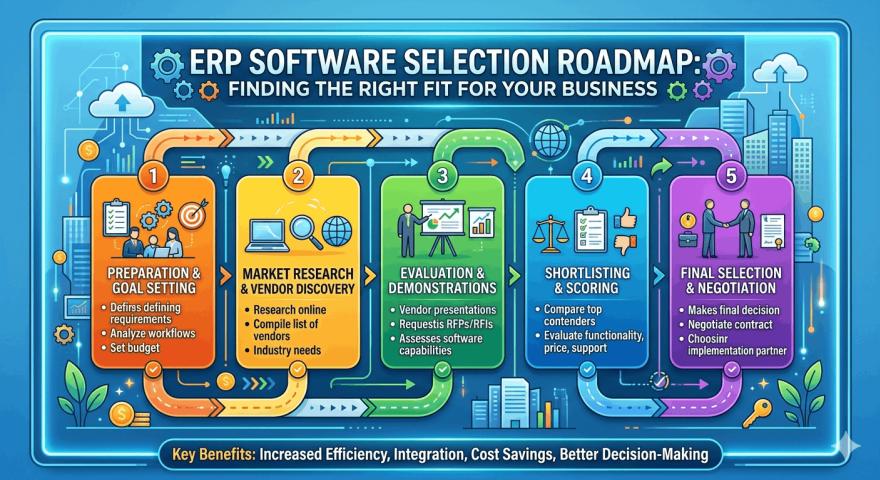
- ERP systems
- Marketing platforms
- Communication tools
Everything works as one smooth ecosystem.
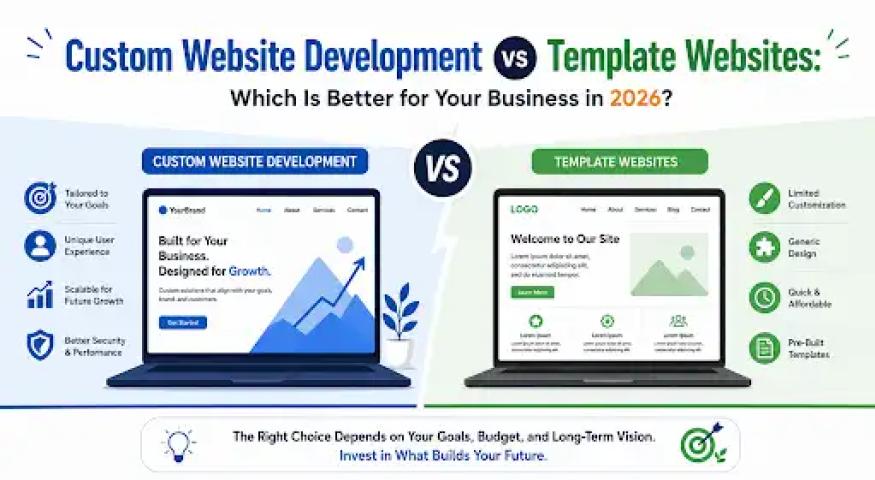
Why Businesses Are Moving Away from One-Size-Fits-All CRM
Modern companies need flexibility. A generic CRM might work for basic needs, but as businesses grow, they face:
- Scalability issues
- Performance slowdowns
- Limited data control
A reliable crm software development company builds systems that grow alongside the business — without forcing costly migrations later.
Custom solutions also provide:
- Enhanced data security
- Ownership of features
- Long-term cost efficiency
Solving Common Business Pain Points with Custom CRM
Custom CRM automation directly addresses everyday challenges like:
- Disorganized customer data
- Missed sales follow-ups
- Slow internal communication
- Poor reporting visibility
By centralizing information and automating workflows, teams can focus on what matters most — building relationships and closing deals.
The Role of Expertise in CRM Development
Not all CRM solutions deliver real results. The success of a custom CRM depends on:
- Understanding business processes deeply
- Designing user-friendly interfaces
- Building scalable architecture
- Ensuring secure data handling
Experienced software teams like those at Arobit Business Solutions Pvt. Ltd. focus on crafting solutions around real operational needs rather than generic templates.
Future-Proofing Your Business with Custom CRM
As digital transformation accelerates, automation will no longer be optional.
Custom CRM systems are evolving with:
- AI-powered analytics
- Predictive sales insights
- Smarter customer segmentation
- Advanced automation triggers
Businesses that invest in tailored CRM solutions today will be better positioned to adapt tomorrow.
Conclusion
The future of business automation isn’t about forcing workflows into pre-built software. It’s about creating intelligent systems that fit how companies truly operate.
Custom CRM development services offer flexibility, scalability, and automation designed around real business challenges. By partnering with an experienced crm software development company, businesses can build solutions that not only manage customer relationships — but actively drive growth.
In a world where customer experience and efficiency define success, custom CRM is no longer a luxury. It’s a strategic necessity.
FAQs
1. How long does it take to develop a custom CRM system?
Development timelines depend on features, integrations, and business complexity. Most custom CRM projects range from a few weeks to several months.
2. Is custom CRM more expensive than off-the-shelf solutions?
While initial development costs may be higher, custom CRM often proves more cost-effective long-term by eliminating recurring fees and improving efficiency.
3. Can a custom CRM integrate with existing business tools?
Yes. One of the biggest advantages of custom CRM is seamless integration with current systems like accounting software, ERP platforms, and marketing tools.