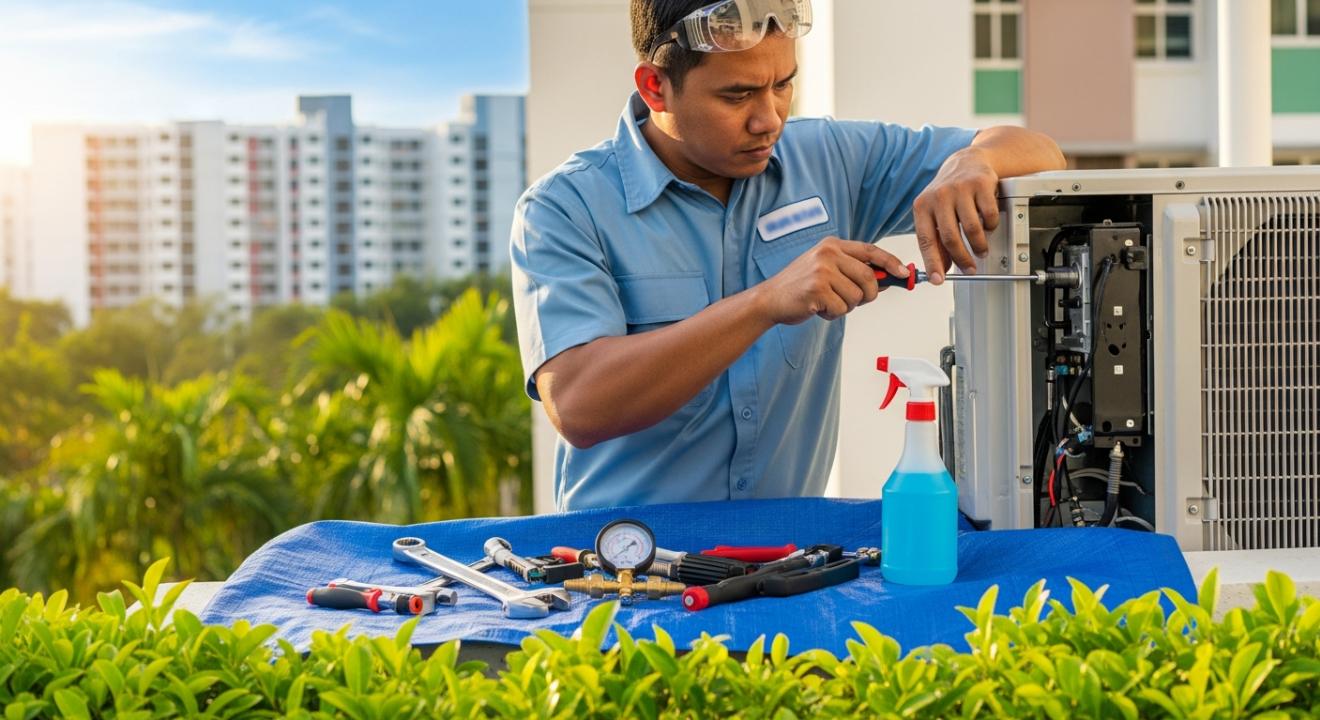
Your air conditioner will consume less energy when you maintain it through regular cleaning because the clean air conditioner can achieve energy savings of 20 percent. The high humidity levels in Singapore make dust accumulation happen quickly, which forces air conditioning units to operate at excessive capacity.
The system will stop working correctly which causes air conditioning to perform worse and electricity expenses to increase while the air becomes unclean. This guide shows you how to keep your system in top shape, how often to clean it, and what a chemical wash aircon cost usually looks like.
You will find precise directions together with maintenance guidelines to help you prevent typical issues. Let's identify the important elements which contribute to extending your air conditioning system's operational timeframe.
What Makes Aircon Cleaning Important in Singapore
The aircon cleaning in Singapore is important as it experiences moisture accumulation because Singapore has a humid climate. Dust particles adhere to the coils and filters and fan components which results in system blockages and decreased cooling performance. The internal dampness of the unit creates a favorable environment for mould growth which negatively impacts indoor air quality.
Aircon systems that receive regular cleaning often last much longer than neglected units. Simple filter care helps the system breathe while deeper servicing keeps internal parts free from dirt and strain. The need for this service becomes even more essential in office environments.
Signs Your Aircon Needs Cleaning
- Weak airflow: If the air feels soft or slow, the fan blower could be blocked.
- Cold air takes longer: A clogged evaporator coil needs more time to cool the room.
- Water leaking: Blocked drainage pipes often cause leaks on walls or floors.
- Strange smell: Mould or dirt inside the system can produce a musty odour.
- Higher electricity bills: When a unit strains to cool, energy use rises.
Types of Aircon Cleaning in Singapore
1. Basic Aircon Cleaning
Basic aircon cleaning in Singapore handles light dirt and keeps daily cooling smooth. It focuses on surface-level parts that affect airflow and general performance.
- What it includes: Filter washing or replacement, cover cleaning, light coil brushing, and a gas level check.
- Best for: Homes that clean filters often and do not run the unit for long hours.
2. Chemical Wash (Non-Dismantle)
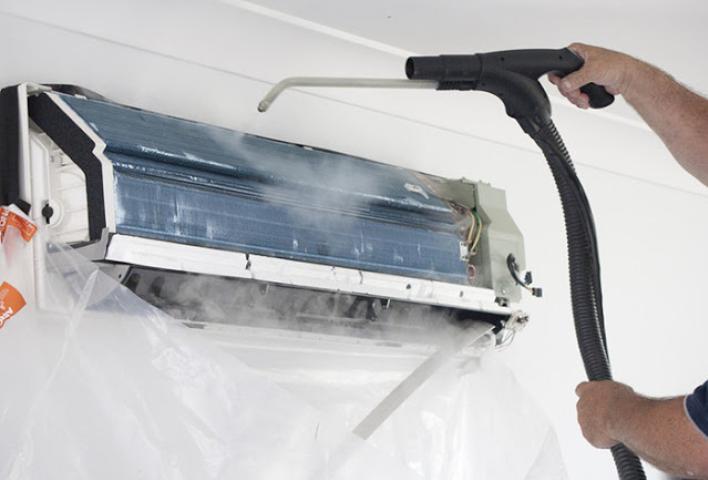
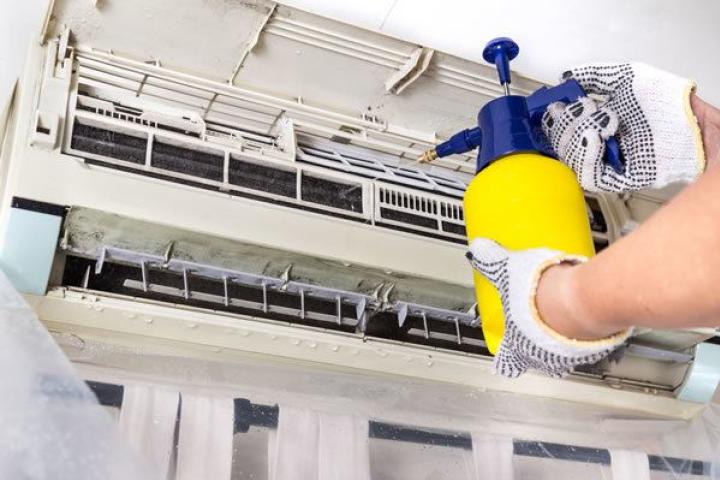
A chemical wash offers deeper cleaning without taking the unit apart. It breaks down grime that regular servicing cannot remove.
- What it includes: Coil cleaning, fan blower washing, drainage tray flushing, and mild mould treatment.
- Best for: Units that cool but smell, leak, or show weak airflow even after basic servicing.
3. Chemical Overhaul (Full Dismantle)
A chemical overhaul is the most thorough option, as the indoor unit is removed and cleaned inside out. It restores old or heavily used systems.
- What it includes: Full dismantling, deep cleaning of all internal parts, coil flushing, fan blower washing, and drain pipe clearing.
- Best for: Ageing units, poorly maintained systems, or offices with long daily usage.
Cost of Aircon Servicing in Singapore
Type of Service | Estimated Cost (Per Unit) | Notes |
General Servicing | SGD $17 – $32 | Price varies by number of units and promotional offers |
Chemical Wash | From SGD $60 | For units below 18k BTU; min. 2 units booking may apply |
Chemical Overhaul | From SGD $80 | For units below 18k BTU; min. 2 units booking often required |
How Often Should You Clean Your Aircon?
Homes
- Filter cleaning: Every 3–4 weeks
- Basic servicing: Every 3–4 months
- Chemical wash: Every 10–12 months
- Overhaul: Every 18–24 months
Offices
Because offices run units longer:
- Basic servicing: Every 1–2 months
- Chemical wash: Every 6–8 months
- Overhaul: Yearly
These schedules keep cooling stable and prevent breakdowns.
Step-by-Step: How to Clean Your Aircon Filter at Home
Step 1: Switch Off Power
The procedure requires you to switch off the equipment through its main power switch before you start working. The procedure protects your safety during component handling while it also prevents equipment use during the cleaning process.
Step 2: Open the Front Panel
The panel requires a gentle lift from its bottom edge to open. Most aircon fronts open with a light upward push. The cover should be handled carefully to prevent both forcing and bending damage.
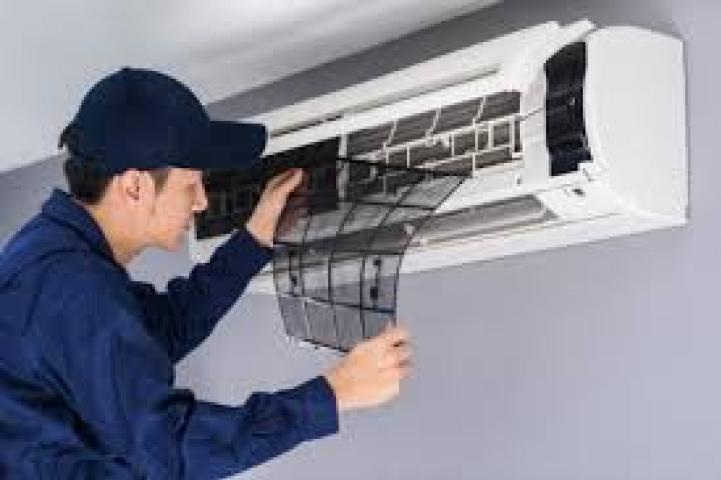
Step 3: Remove the Filters
The filters require operators to slide them out from their position because this method prevents any potential damage. The better grip system requires users to hold objects at their edges. The objects should be placed in a clean area for storage.
Step 4: Rinse With Cool Water
The filters require washing under a continuous light water stream which maintains a steady flow. The soap should be avoided because it will weaken the filter mesh. The process needs to continue until all dust particles have been completely removed.
Step 5: Let Filters Dry Fully
The filters need to be placed in an area that provides both shade and airflow. The filters need to reach complete dryness on both sides before you can put them back. The filters will become wet which causes two problems: they will decrease airflow and they will collect dust more quickly.
Step 6: Reinstall
The process requires you to slide the dry filters into their designated locations. The system needs you to apply light pressure until the components become secured. The clean filter results in a 50% airflow improvement which demonstrates its impact on system performance.
Choosing an Aircon Cleaning Service in Singapore
- Trained technicians: Proper handling prevents gas leaks and part damage.
- Clear pricing: Look for itemised fees, not vague quotes.
- Warranty or service guarantee: A trusted provider offers some form of protection for the work done.
- Good reviews: Check Google ratings and customer feedback.
What Happens During Professional Aircon Cleaning?
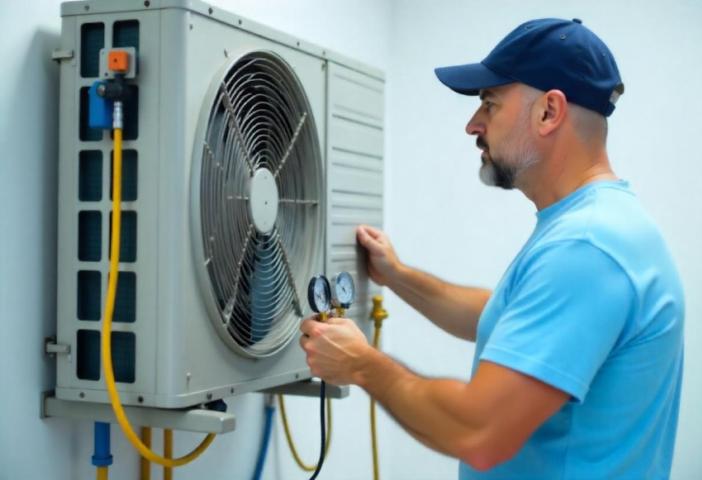
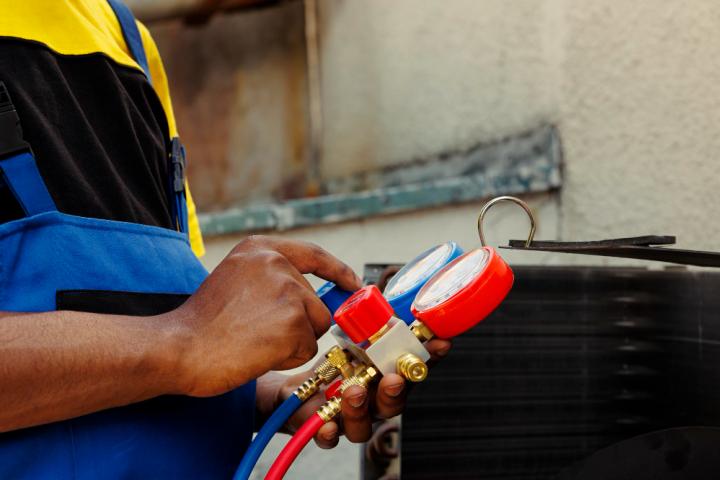
- Inspection: The technician checks airflow, cooling speed, and gas levels.
- Deep cleaning: Coils, fans, and trays get flushed and brushed.
- Mould treatment: Office units often need anti-mould solutions.
- Testing: The unit is switched on to ensure stable cooling.
Chemical Wash vs Chemical Overhaul: Which One Do You Need?
Choose Chemical Wash If:
- Cooling is slow
- The smell is mild
- Airflow is weak
- Leaking happens sometimes
Choose Chemical Overhaul If:
The unit has never been serviced
- Cooling is uneven
- There is heavy mould
- The system is older than 6–7 years
A quick chat with a technician can help you decide.
Keeping Your Aircon Fresh Between Servicing
Try these simple habits
- Keep windows closed when the unit is on
- Do not block airflow with curtains
- Use a dry cloth to wipe exterior vents
- Clean filters often
Small steps make a big impact on cooling.
Conclusion
Regular aircon cleaning in Singapore ensures that your home or office space remains comfortable and hygienic and secure. The humid climate of Singapore accelerates dust accumulation, which requires continuous maintenance for all air conditioning systems, including newly installed units.
The system reduces your energy expenses while it prevents unexpected equipment failures that lead to expensive repairs. You can either check local service providers who have proven themselves or create a maintenance schedule which matches your facility's requirements. The system provides optimal air conditioning performance throughout the entire year.
FAQs
What is the price of an air conditioning chemical wash in Singapore?
The standard cost for a single unit in most residential properties ranges between SGD 80 and SGD 120. The cost increases when the system size and operational state of the equipment increase.
Is chemical wash safe for my aircon?
Yes, when trained technicians perform the procedure. The technicians employ non-hazardous cleaning products which effectively remove dirt while protecting the equipment's coils and pipes.
How frequently should I perform maintenance on my air conditioning system filters?
Homeowners require cleaning every 3 to 4 weeks. The extended operational time of offices requires them to clean their facilities every week.
What causes my air conditioning system to leak water?
Leaks predominantly result from two issues which include blocked drain pipes and dirty coils. The problem requires a basic clean or chemical wash to restore normal operation.