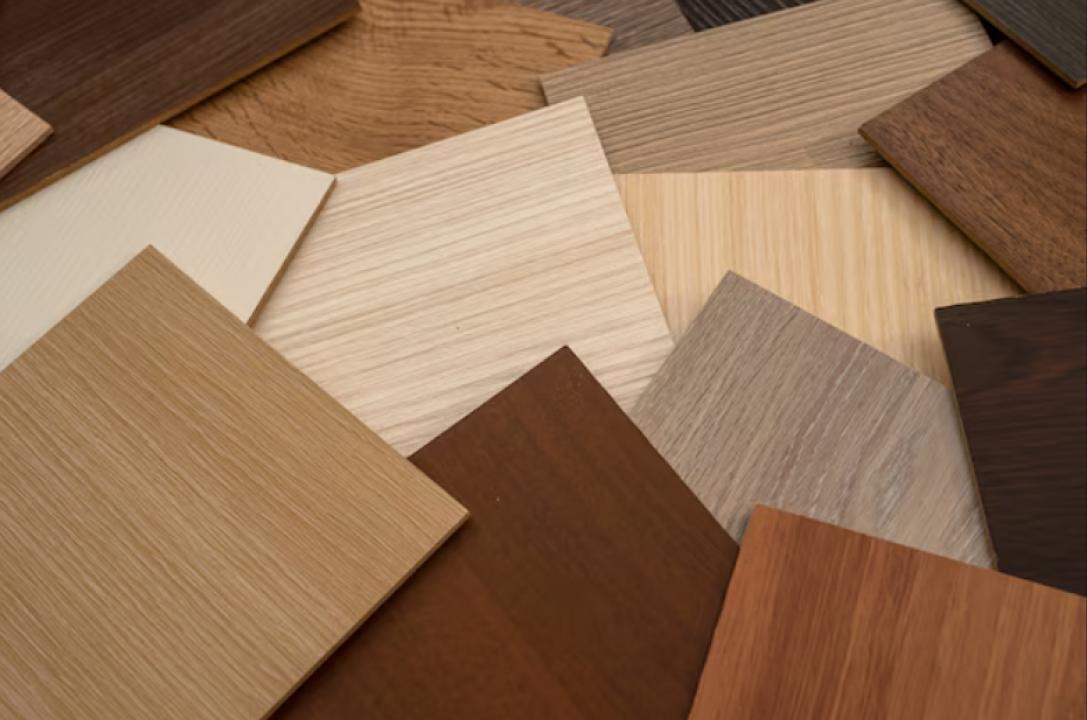
If you’ve ever explored wooden flooring options in India, one thing becomes clear very quickly: no two quotes ever seem the same. Even when the floors look similar, the final numbers can differ significantly. This isn’t random or unfair pricing. In reality, wooden flooring prices vary because several technical, material, and practical factors come into play behind the scenes.
Understanding these factors not only helps you make a smarter choice but also ensures you’re investing in the right flooring for your space, life>
1. Type of Wooden Flooring
Not all wooden flooring is built the same. Solid hardwood, engineered wood, laminated flooring, and hybrid flooring differ in structure, performance, and manufacturing processes. Each type is designed for a specific purpose; some prioritise natural aesthetics, others focus on stability or moisture resistance. Naturally, the complexity and technology involved influence overall value.
2. Wood Species and Visual Appeal
The kind of wood used plays a major role. Exotic woods, distinctive grains, rich tones, and rare textures require more careful sourcing and processing. Even within the same category of flooring, planks with uniform colour, minimal knots, and refined finishes often come at a premium due to stricter selection standards.
3. Thickness and Layer Composition
Thicker flooring or multi-layered constructions tend to offer better durability and longevity. In engineered and hybrid floors, the quality of the top wear layer and the core material directly affect stability, especially in Indian weather conditions. More robust constructions mean better performance, but also higher production effort.
4. Core Technology and Stability
This is where modern flooring really differentiates itself. High-density cores, moisture-resistant layers, and advanced locking systems improve dimensional stability and reduce issues like expansion or warping. Floors designed to handle temperature changes and humidity fluctuations require advanced engineering, which impacts overall value.
5. Surface Finish and Protection
The finish you walk on matters more than you think. Scratch-resistant coatings, UV-cured finishes, matte or textured surfaces, and anti-slip treatments enhance durability and daily comfort. Floors meant for high-traffic homes, kids, or pets undergo additional surface treatments, which naturally affect overall pricing.
6. Installation Method and Ease
Some wooden floors are easier and faster to install, while others require skilled workmanship and precise preparation. Click-lock systems, floating installations, and pre-finished boards simplify the process, whereas traditional installation methods demand more labour and time. The ease of installation often reflects the product’s design sophistication.
7. Source and Manufacturing Standards
Flooring manufactured under strict quality controls, sustainable sourcing practices, and international certifications usually offers more consistency and reliability. Imported materials or globally benchmarked manufacturing processes add layers of quality assurance that influence the final valuation.
8. Climate Suitability for Indian Homes
India’s diverse climate, ranging from humid coastal regions to dry northern zones—demands flooring that can adapt. Floors designed specifically for Indian conditions undergo additional testing for moisture resistance, thermal stability, and long-term performance. Products tailored for local environments typically stand apart from generic options.
9. Brand Reputation and After-Sales Support
Established flooring brands invest heavily in product research, customer support, and service networks. A trusted brand doesn’t just sell a product; it offers guidance, warranties, and long-term peace of mind. This reliability and accountability naturally factor into how flooring is positioned in the market.
10. Customisation and Design Detailing
Plank dimensions, bevelled edges, herringbone patterns, colour variations, and custom finishes all add character to a floor. Design-forward flooring requires precision manufacturing and careful quality checks. The more personalised and design-centric the flooring, the more effort goes into its creation.
Final Thoughts
Wooden flooring prices in India vary because flooring isn’t just a surface; it’s a system of materials, engineering, design, and performance. Two floors may look similar at first glance, but their internal construction, durability, and suitability for Indian homes can be worlds apart.
Instead of focusing only on numbers, it’s wiser to understand what you’re getting beneath your feet. When you evaluate wooden flooring through these ten factors, the variations start to make sense, and your final choice becomes far more confident and informed.