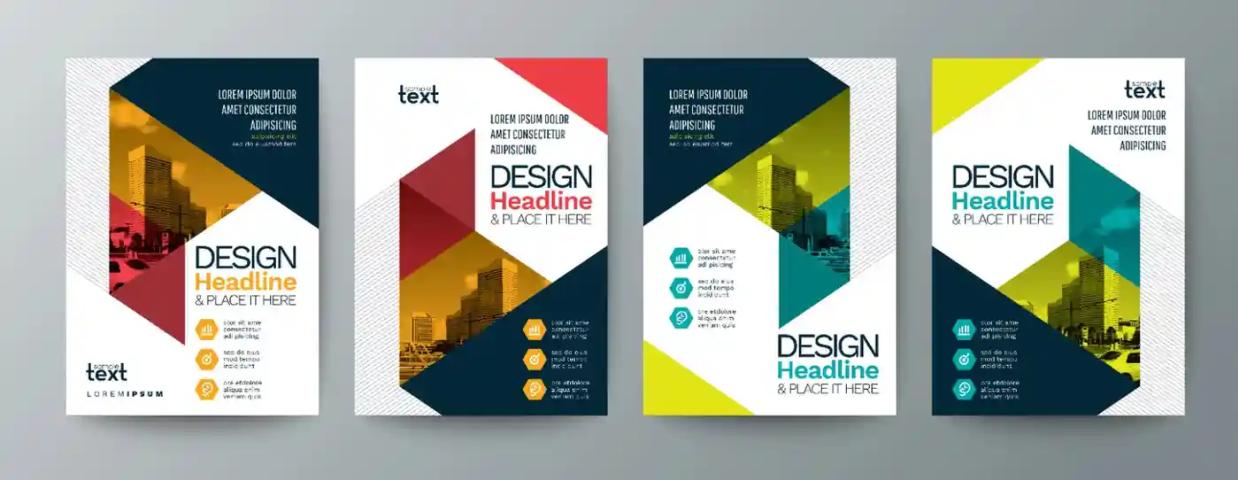
Most people think brochures are easy. Pick a design, add text, print it, done. But in real work, brochures fail for very small reasons. One of the biggest reasons is choosing the wrong tri fold brochure size.
It sounds simple, but it is not.
A brochure that looks fine on a screen can feel awkward once printed. It may not fold cleanly. The panels may look uneven. The paper may crack. And suddenly, the brochure does not feel professional anymore.
This article is written to avoid exactly those problems. No copied theory. No complicated language. Just a clear explanation of tri fold brochure dimensions, paper choices, and design decisions that actually work in real printing situations.
Understanding a Tri Fold Brochure
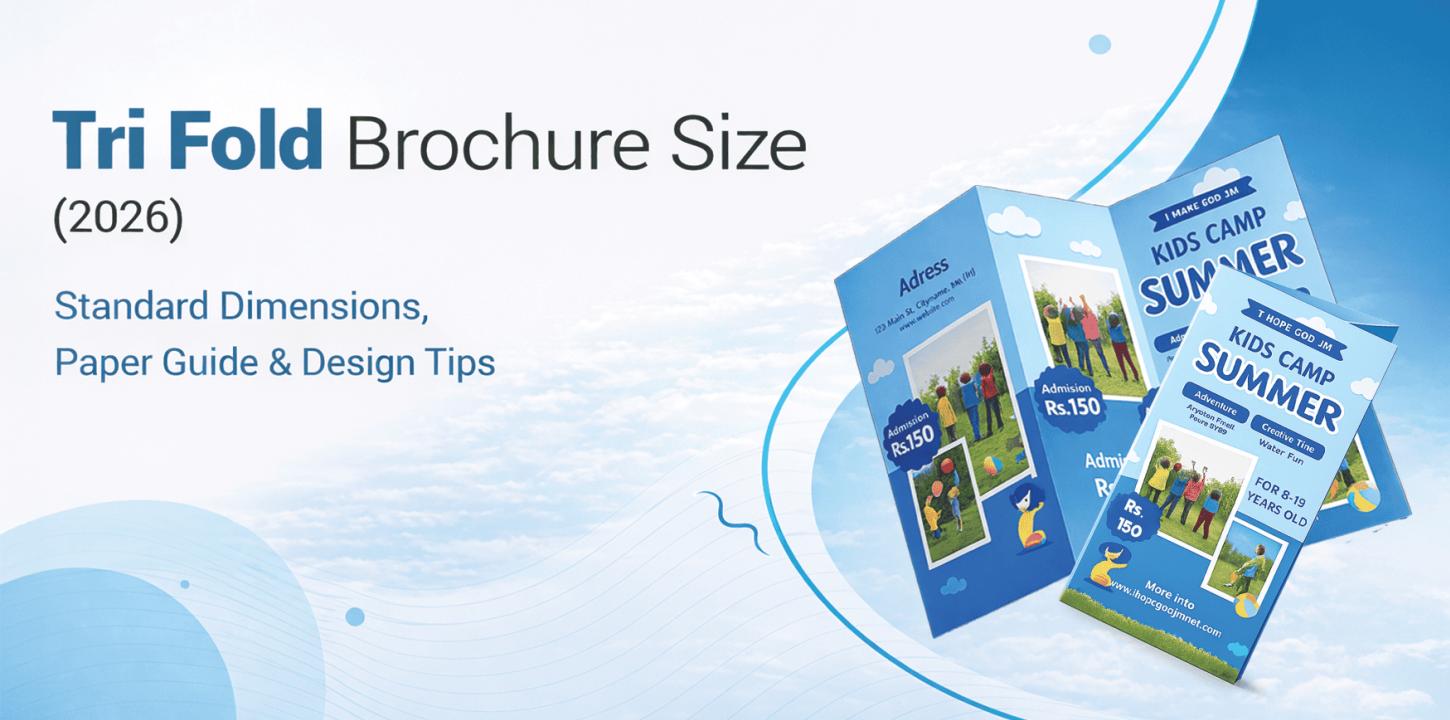
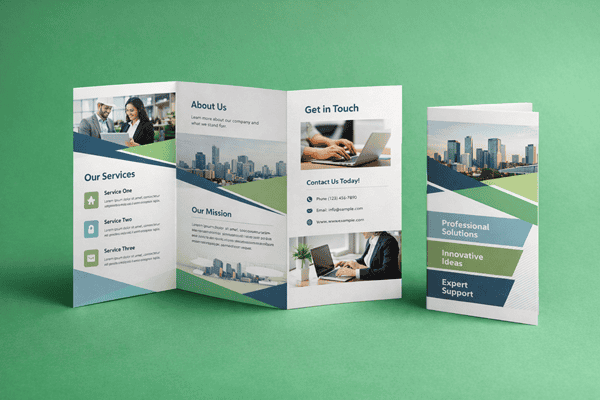
A tri fold brochure is made from one sheet of paper that is folded into three parts. Once folded, you get six panels. Three on the outside, three inside. The reader opens it step by step instead of seeing everything at once.
You may hear different names:
- trifold brochure
- three fold brochure
- 3 fold brochure
They all describe the same format. Only the wording changes.
Standard Tri Fold Brochure Dimensions
Let’s talk size, because this is where most mistakes happen.
A4 Tri Fold Brochure Size
This is the most commonly used option.
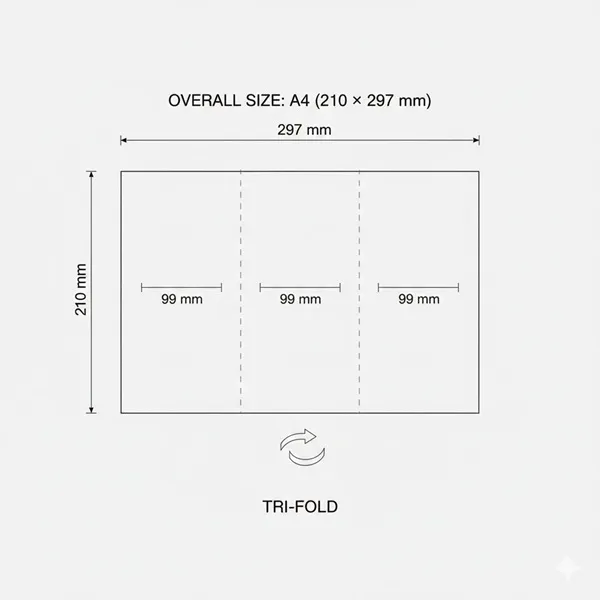
- Flat sheet: 210 × 297 mm
- After folding: roughly 99 × 210 mm
This three fold brochure size works well because it fits easily in brochure stands, envelopes, and folders. For general business use, this size is usually the safest choice.
US Letter Tri Fold Brochure Size
Another common format is the US Letter size.
- Flat size: 8.5 × 11 inches
- Folded size: around 3.67 × 8.5 inches
This 3 fold brochure size is widely used in the US for marketing and corporate brochures.
Panel Sizes: One Detail People Often Miss
Here is something many people don’t realise.
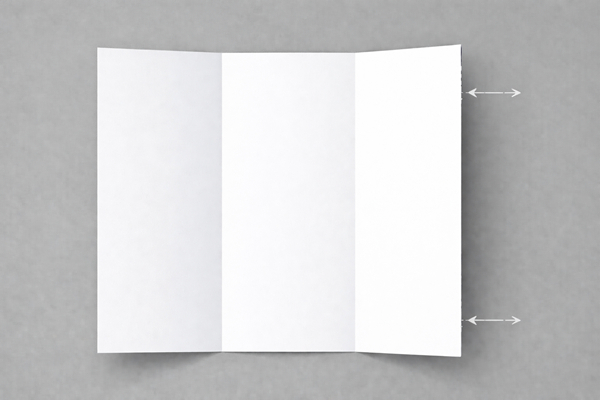
In real printing, all three panels are not exactly the same width. The panel that folds inside is usually kept a little smaller. Just a few millimetres.
This allows the brochure to fold properly without stress on the paper.
If this is ignored:
- folds may look uneven
- paper can bulge
- edges may crack
This is not a design trend. It is a printing reality.
Size of a Trifold: Are Custom Sizes a Good Idea?
Custom sizes are possible, but they are not always practical.
Some people use:
- compact brochure 3 fold size for handouts
- mailing-friendly fold brochure size
- custom size of a trifold for events or branding
Custom sizes can work, but only if printing and folding are planned properly. Otherwise, they often create more problems than benefits. For most uses, standard sizes remain more reliable.
Paper Guide (Often Ignored, Very Important)
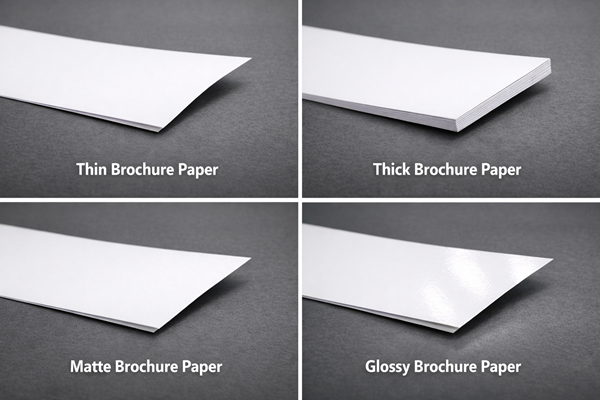
Paper choice changes how a brochure feels and how long it lasts.
Paper Thickness
From real use:
- 130–170 GSM works well for bulk distribution
- 200–250 GSM feels stronger and more premium
Very thin paper creases easily. Very thick paper can resist folding. Balance matters.
Paper Finish
- Matte paper is easier to read
- Gloss paper looks bright but reflects light
- Textured paper feels premium but is not always practical
At Tagsen, tri fold brochures are often tested with matte paper first because it gives consistent results in real handling.
Design Tips That Actually Help
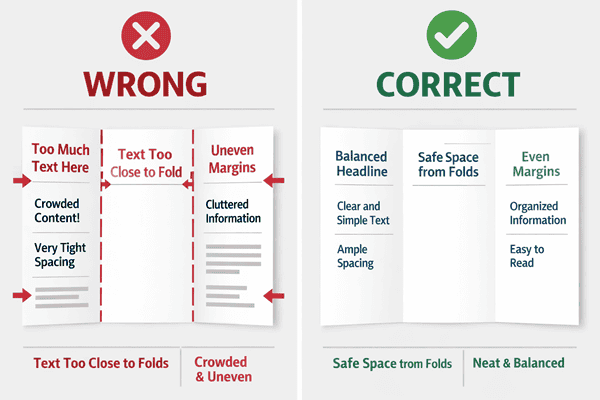
This is not about trends. Just things that work.
- The front panel should stay simple
- Inside panels should explain, not overload
- The back panel usually works best for contact or brand details
Leave space near fold lines.
Avoid very small fonts.
Don’t try to fit everything into one panel.
A brochure should feel comfortable to open and read.
Common Problems Seen in Real Projects
Some mistakes keep repeating:
- designing without checking the final folded size
- ignoring panel adjustment
- choosing unsuitable paper thickness
- adding too much text
Most of these problems are avoidable if size is planned first.
Why Tri Fold Brochure Size Really Matters
The correct brochure size tri fold improves:
- how the brochure feels in hand
- how easy it is to read
- how professional it looks after printing
People may not notice a good size consciously, but they always notice when something feels off.
Where Tri Fold Brochures Are Commonly Used
Tri fold brochures are widely used for:
- business introductions
- product and service information
- events and exhibitions
- travel and real estate material
Each use works better when the three fold brochure size matches the purpose.
How Tagsen Looks at Brochure Sizes
At Tagsen, brochure size decisions are not made only on screen. They are tested with actual folds and paper behaviour. A brochure should work after printing, not just look good in a design file.
This guide follows that same practical thinking.
Frequently Asked Questions (FAQs)
What is the standard tri fold brochure size?
Usually, an A4 sheet (210 × 297 mm) is used. In the US, 8.5 × 11 inches is common.
Are all three panels the same size?
No. The inside panel is often kept slightly smaller so the brochure folds properly.
Which paper thickness is suitable?
Most tri fold brochures work well with 170–250 GSM paper, depending on how premium you want it to feel.
Matte or glossy paper – which is better?
Matte is easier to read. Glossy looks brighter. The choice depends on use.
Why does tri fold brochure size matter?
Right size makes the brochure easy to fold, hold, and read.
Can custom sizes be used?
Yes, but standard sizes are safer for printing and distribution.
Are tri fold brochures still useful in 2026?
Yes. They are still simple, practical, and effective when planned correctly.
Final Thoughts
Choosing the right tri fold brochure dimensions, paper, and layout is not about rules. It is about understanding how brochures are used in real life.
When the size feels right, everything else becomes easier.
- The brochure opens smoothly.
- The content feels organised.
- The brand feels more trustworthy.
Taking time to plan the right trifold brochure size makes the final printed piece more effective and easier to use — not just in 2026, but beyond.