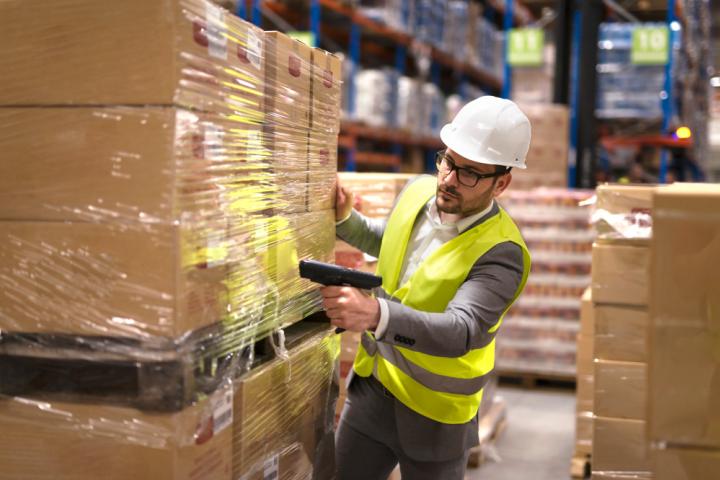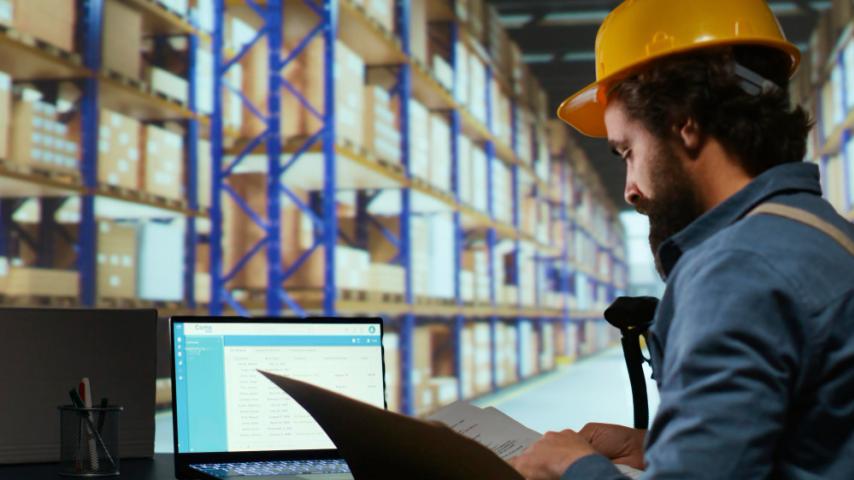
In an increasingly globalized and competitive marketplace, businesses face constant pressure to deliver products faster, more efficiently, and at lower costs. Customers expect seamless service, real-time visibility, and consistent delivery performance across regions. To meet these demands, companies are moving away from fragmented logistics models and embracing integrated logistics solutions. These solutions combine multiple logistics functions—transportation, warehousing, freight forwarding, customs clearance, and distribution—into a single, coordinated system.
Integrated logistics is no longer a luxury reserved for large enterprises; it has become a strategic necessity for businesses of all sizes.
Understanding Integrated Logistics Solutions
Integrated logistics solutions refer to the coordination and management of all logistics activities under one unified framework. Instead of dealing with multiple service providers for different functions, businesses work with a single logistics partner who oversees the entire supply chain process.
This integrated approach ensures smooth information flow, better coordination, and consistent service levels. By centralizing logistics management, companies can reduce complexity and focus on their core business operations.
Eliminating Fragmentation and Inefficiencies
One of the biggest challenges in traditional logistics models is fragmentation. When transportation, warehousing, and customs clearance are handled by separate providers, miscommunication and delays are common.
Integrated logistics solutions eliminate these inefficiencies by aligning all functions under one system. Information flows seamlessly across departments, reducing errors and improving response times. This streamlined approach enhances overall operational efficiency and reduces hidden costs caused by delays and rework.
Improved Supply Chain Visibility
Visibility is a critical factor in modern logistics management. Integrated logistics solutions provide end-to-end visibility across the supply chain, allowing businesses to track shipments, inventory levels, and delivery timelines in real time.
With centralized data and reporting, decision-makers gain better control over logistics operations. This visibility enables proactive issue resolution, accurate forecasting, and improved planning, leading to more reliable supply chain performance.
Cost Optimization and Better Resource Utilization
Integrated logistics helps businesses optimize costs by reducing redundancies and improving resource utilization. Consolidated shipments, optimized routing, and coordinated warehousing operations lead to lower transportation and storage costs.
By working with a single logistics partner, businesses can also negotiate better rates and avoid overlapping service fees. Integrated planning ensures that resources are used efficiently, resulting in measurable cost savings across the supply chain.
Faster and More Reliable Deliveries
Delivery speed and reliability are critical to customer satisfaction. Integrated logistics solutions enable better coordination between transportation and warehousing, reducing transit times and minimizing delays.
With synchronized operations, goods move smoothly from storage to distribution without unnecessary handling or waiting periods. This results in faster order fulfillment and more predictable delivery schedules, enhancing customer trust and loyalty.
Supporting Global Trade and Multimodal Transport
Global trade involves multiple transport modes, regulatory requirements, and stakeholders. Integrated logistics solutions simplify this complexity by managing all aspects of international shipping within a single framework.
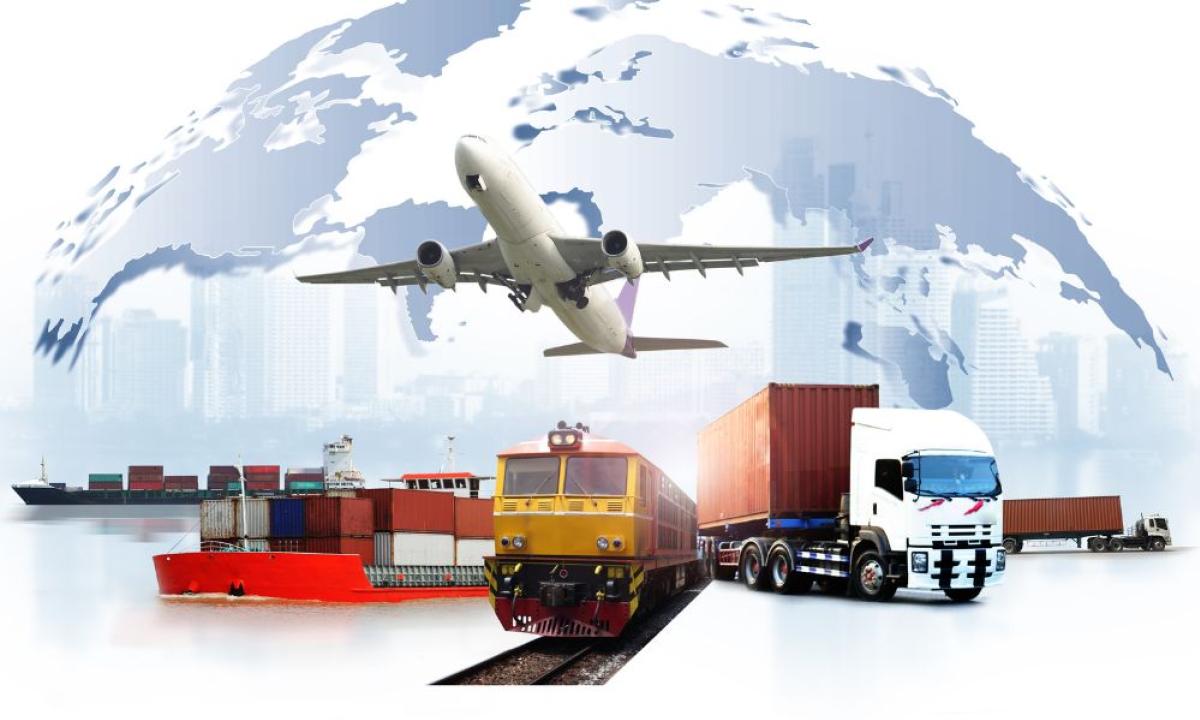
Multimodal transportation—combining road, rail, sea, and air—becomes more efficient when coordinated by an integrated logistics provider. This approach reduces transit risks, improves flexibility, and ensures compliance with international trade regulations.
Scanwell Logistics, a trusted logistics company in Tuticorin, supports integrated logistics solutions by leveraging its strategic port location and global network to manage domestic and international supply chains seamlessly.
Enhanced Risk Management and Resilience
Supply chain disruptions are becoming more frequent due to geopolitical tensions, natural disasters, and market volatility. Integrated logistics solutions improve risk management by providing better visibility, coordination, and contingency planning.
A single logistics partner can quickly adjust routes, transportation modes, or inventory strategies in response to disruptions. This agility strengthens supply chain resilience and helps businesses maintain service continuity even in challenging conditions.
Technology as an Enabler of Integration
Technology plays a vital role in enabling integrated logistics solutions. Digital platforms connect all logistics functions into a single system, allowing real-time data sharing and automated workflows.
Warehouse Management Systems, Transportation Management Systems, and tracking tools work together to provide a unified view of operations. Data analytics further enhance performance monitoring and continuous improvement.
Technology-driven integration ensures accuracy, efficiency, and scalability in logistics operations.
Scalability and Business Growth
As businesses grow, their logistics needs become more complex. Integrated logistics solutions provide the scalability required to support expansion into new markets, higher order volumes, and seasonal demand fluctuations.
Instead of restructuring logistics operations with each growth phase, businesses can rely on their integrated logistics partner to scale services seamlessly. This flexibility supports sustainable growth without operational disruptions.
Sustainability and Responsible Logistics
Sustainability is increasingly important for businesses and consumers alike. Integrated logistics solutions support sustainable practices by optimizing routes, reducing empty miles, and improving energy efficiency.
Coordinated planning minimizes waste, lowers emissions, and supports environmental goals. Sustainable logistics not only benefits the planet but also enhances brand reputation and regulatory compliance.
The Value of Choosing the Right Logistics Partner
The success of integrated logistics solutions depends heavily on the capabilities and expertise of the logistics partner. A reliable partner brings industry knowledge, infrastructure, technology, and a customer-centric approach.
As a dependable logistics company in Tuticorin, Scanwell Logistics offers integrated logistics solutions that combine local expertise with global reach, helping businesses simplify operations and improve supply chain performance.
The Future of Integrated Logistics
The future of logistics lies in deeper integration, digital transformation, and collaboration. Emerging technologies such as artificial intelligence, automation, and data-driven optimization will further enhance integrated logistics solutions.
Businesses that adopt integrated logistics strategies will be better positioned to adapt to market changes, manage risks, and deliver superior customer experiences.
Conclusion
Integrated logistics solutions are essential for businesses seeking efficiency, visibility, and resilience in today’s complex supply chain environment. By unifying transportation, warehousing, and distribution under one coordinated system, integrated logistics reduces costs, improves service quality, and supports sustainable growth.
With strategic port access and comprehensive logistics expertise, Scanwell Logistics, a logistics company in Tuticorin, helps businesses unlock the full value of integrated logistics solutions and build stronger, more agile supply chains.