In today’s competitive hospitality industry, a hotel is no longer just a place to sleep—it is an experience. From the moment guests step into the lobby to the time they close their room door, every design detail shapes how they feel, behave, and remember their stay. This is where the art of hotel interior design plays a defining role. Thoughtfully designed interiors do more than look beautiful; they tell stories, evoke emotions, and create lasting impressions that keep guests coming back.
Hotel interior design is a careful balance of aesthetics, functionality, brand identity, and guest psychology. Skilled hotel interior designers understand how to translate a hotel’s vision into spaces that are not only visually striking but also comfortable, intuitive, and memorable.
Understanding the Purpose of Hotel Interior Design
Unlike residential or office design, hotel interior design must serve a wide range of users with diverse expectations. A hotel interior must feel welcoming to first-time visitors, familiar to returning guests, and practical for staff operations—all at once.
The primary goal is to enhance the guest experience. Every space, from lobbies and corridors to restaurants and guest rooms, should work together to create a cohesive journey. Professional hotel interior designers carefully plan layouts, lighting, materials, and furniture to ensure smooth circulation, comfort, and emotional engagement.
At the same time, interiors must support the hotel’s commercial goals. Well-designed spaces can encourage guests to spend more time in common areas, dine on-site, or share their experience on social media—boosting both revenue and brand visibility.
Creating a Strong First Impression
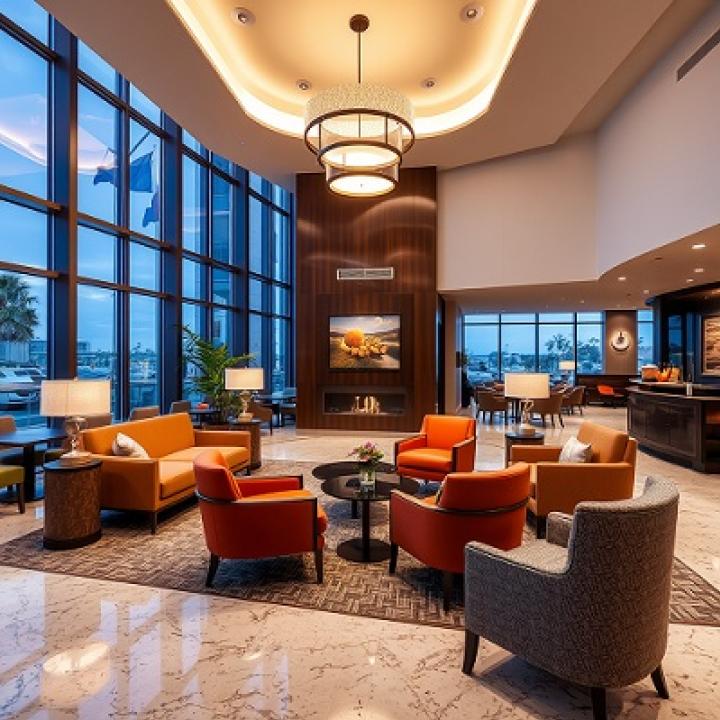
The lobby is often described as the heart of a hotel, and for good reason. It is the first physical interaction guests have with the brand. A well-designed lobby sets expectations for the entire stay.
Modern hotel interior designers focus on creating lobbies that feel less transactional and more experiential. Instead of traditional front desks and rigid seating, many hotels now feature lounge->
Color palettes, ceiling height, sound design, and even scent are carefully curated to establish the desired mood—whether it’s luxury, relaxation, creativity, or adventure.
The Role of Storytelling in Hotel Design
One of the most powerful tools in hotel interior design is storytelling. Guests may not consciously analyze design choices, but they instinctively respond to spaces that feel meaningful and cohesive.
Hotel interior designers often draw inspiration from the hotel’s location, history, or cultural context. A coastal resort might incorporate organic materials, soft blues, and flowing forms, while an urban boutique hotel could emphasize bold contrasts, industrial textures, and contemporary art.
When design elements consistently reflect a clear narrative, guests form an emotional connection with the space. This connection transforms a hotel from a temporary stay into a memorable destination.
Designing Guest Rooms for Comfort and Identity
Guest rooms are where design meets personal experience most intimately. They must feel private, comfortable, and intuitive while still reflecting the hotel’s brand personality.
Successful hotel interior designers focus on both visual appeal and usability. Furniture placement is carefully planned to maximize space, lighting is layered to support different activities, and materials are chosen for durability without sacrificing >
Details such as headboard design, accent walls, custom lighting fixtures, and curated artwork add character, while high-quality bedding, soundproofing, and ergonomic furniture ensure comfort. Smart technology integration—like adjustable lighting, climate control, and charging stations—has also become a key component of modern hotel rooms.
Public Spaces That Encourage Interaction
Beyond guest rooms, public spaces play a crucial role in shaping the overall hotel experience. Restaurants, bars, lounges, spas, and co-working areas are no longer secondary amenities; they are destinations in their own right.
Hotel interior designers design these spaces to encourage interaction and exploration. Flexible seating arrangements, varied lighting zones, and multifunctional furniture allow spaces to transition throughout the day. A breakfast area might transform into a co-working lounge by afternoon and a social hub by evening.
Designing these areas with both guests and locals in mind can help hotels become part of the community, increasing foot traffic and brand relevance.
Balancing Aesthetics and Functionality
While visual impact is important, functionality is equally critical in hotel interiors. Spaces must be easy to navigate, accessible to all guests, and efficient for staff operations.
Experienced hotel interior designers collaborate closely with architects, engineers, and hotel operators to ensure that design decisions support real-world use. This includes selecting materials that are easy to maintain, planning layouts that streamline housekeeping and service, and ensuring compliance with safety and accessibility standards.
The most successful designs are those where guests hardly notice the functionality—because everything simply works.
Sustainability and Conscious Design
Sustainability has become a defining factor in contemporary hotel interior design. Guests are increasingly aware of environmental impact and often favor hotels that demonstrate responsible practices.
Hotel interior designers now prioritize eco-friendly materials, energy-efficient lighting, water-saving fixtures, and durable furnishings that reduce waste. Reclaimed wood, natural stone, recycled fabrics, and locally sourced materials not only support sustainability but also add authenticity and texture to interiors.
Conscious design choices can enhance brand image while contributing to long-term operational savings—a win for both hotels and guests.
The Emotional Impact of Design
Great hotel interiors are not just seen; they are felt. Lighting can influence mood, textures can evoke comfort, and spatial proportions can create a sense of calm or excitement.
Hotel interior designers study how guests emotionally respond to spaces. Soft lighting and warm materials can make a room feel relaxing, while bold colors and dramatic lighting can energize social areas. Even subtle design elements—like curved forms or natural patterns—can subconsciously affect how guests perceive their stay.
These emotional responses are what guests remember long after checkout.
Why Professional Hotel Interior Designers Matter
Designing a hotel is a complex process that requires specialized expertise. Professional hotel interior designers bring together creativity, technical knowledge, and industry insight to deliver spaces that perform as beautifully as they look.
They understand hospitality trends, guest behavior, and operational challenges, allowing them to create designs that are both innovative and practical. More importantly, they know how to translate a brand’s vision into a physical environment that resonates with guests.
In a market where guest experience defines success, investing in expert hotel interior designers is no longer optional—it is essential.
Creating Spaces Guests Remember
At its core, the art of hotel interior design is about memory. Guests may forget the room number, but they will remember how the space made them feel. They will remember the warmth of the lobby, the comfort of the bed, the ambiance of the restaurant, and the small details that made their stay special.
When design successfully blends storytelling, functionality, comfort, and emotion, a hotel becomes more than accommodation—it becomes an experience worth repeating and sharing.
Through the vision and expertise of skilled hotel interior designers, hotels can create spaces that leave lasting impressions, build loyalty, and stand out in an ever-evolving hospitality landscape.