Coconut is a staple ingredient in many kitchens, especially in Indian and Asian cooking. From curries and chutneys to desserts and smoothies, its rich flavor and natural sweetness make it incredibly versatile. One of the most convenient forms available today is coconut powder, which offers the taste of fresh coconut with a longer shelf life and easy storage. However, to maintain its freshness, aroma, and texture, proper storage is essential. Here are practical and effective storage tips to help you keep coconut powder fresh for longer.
Why Proper Storage Matters
Although coconut powder is a dried product, it still contains natural oils. These oils can turn rancid if exposed to heat, moisture, or air for long periods. Improper storage may lead to clumping, loss of flavor, or an unpleasant smell. By storing it correctly, you can preserve its taste, texture, and nutritional value while reducing waste.
Choose the Right Container
One of the simplest yet most important steps in storing coconut powder is transferring it to an airtight container after opening the original pack. Exposure to air can introduce moisture and speed up spoilage.
Use containers made of glass, stainless steel, or food-grade plastic with tight-fitting lids. Avoid leaving the powder in loosely sealed packets, as they allow air and humidity to enter, especially in warm climates.
Keep It in a Cool, Dry Place
Heat is one of the biggest enemies of coconut powder. Always store it in a cool and dry place, away from direct sunlight and heat sources like stoves or ovens. A pantry shelf or kitchen cabinet that doesn’t get too warm is ideal.
In regions with high temperatures, storing coconut powder in a cooler part of the house can significantly extend its shelf life and prevent the natural oils from deteriorating.
Protect It from Moisture
Moisture can cause coconut powder to clump together and may even lead to mold growth. Always use a clean, dry spoon when scooping it out. Avoid using wet hands or utensils, as even small amounts of water can spoil the product over time.
If you notice clumping, check for signs of moisture exposure. While small lumps can sometimes be broken apart, any unusual smell or discoloration indicates it’s time to discard the product.
Consider Refrigeration in Humid Climates
In areas with high humidity, refrigeration can help preserve coconut powder for longer. Storing it in the fridge reduces the risk of moisture absorption and slows down the oxidation of natural oils.
If you refrigerate it, make sure the container is tightly sealed to prevent it from absorbing odors from other foods. Allow the powder to return to room temperature before opening the container to avoid condensation forming inside.
Freezing for Long-Term Storage
For extended storage, coconut powder can be kept in the freezer. This method is especially useful if you buy in bulk or don’t use it frequently. Divide it into smaller portions and store in airtight, freezer-safe containers or zip-lock bags.
Freezing helps retain freshness for months without affecting taste or texture. When needed, remove only the required portion and keep the rest sealed to avoid repeated exposure to air.
Avoid Frequent Temperature Changes
Constantly moving coconut powder between warm and cool environments can lead to condensation inside the container. This moisture can shorten shelf life. Store it in a consistent location and avoid taking it in and out of the fridge repeatedly.
If you choose refrigeration or freezing, keep it there consistently and handle only small portions at a time.
Check for Freshness Regularly
Even with proper storage, it’s good practice to check your coconut powder occasionally. Fresh coconut powder should have a mild, pleasant coconut aroma. If you notice a sour, musty, or rancid smell, it’s a sign the oils have spoiled.
Texture is another indicator. While fine and powdery is ideal, excessive clumping or discoloration can signal exposure to moisture or age.
Label and Track Purchase Dates
Keeping track of when you opened or purchased coconut powder helps ensure you use it while it’s still fresh. Label containers with the date of opening so you can monitor storage time. Although it has a good shelf life, using it within the recommended period ensures the best flavor in your dishes.
Buy Quality Products
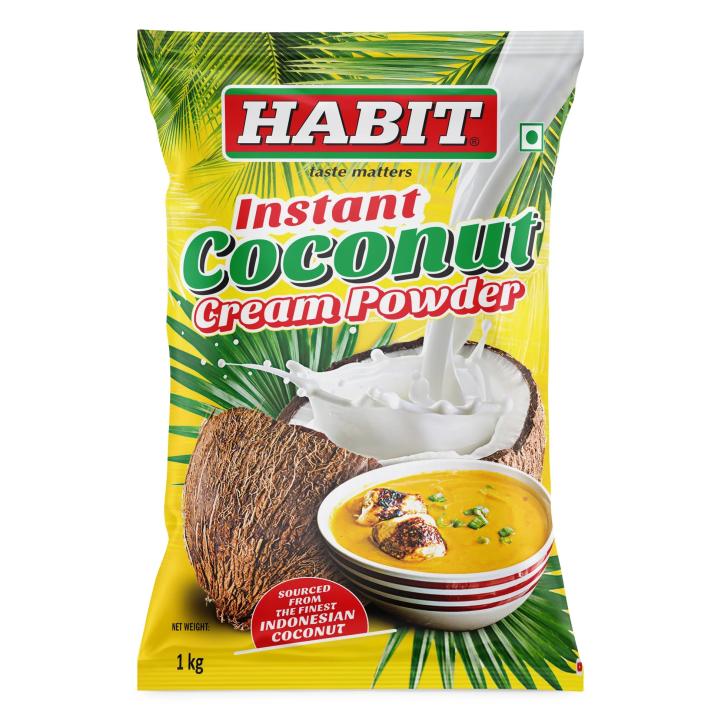
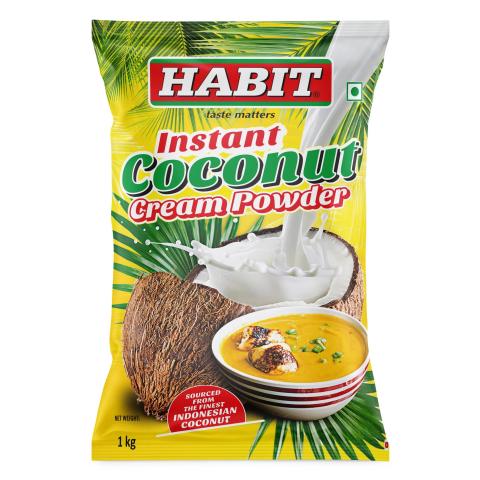
Starting with high-quality coconut powder also makes a difference in how long it stays fresh. Products that are well-processed and hygienically packed are less likely to spoil quickly. Reliable brands like HABIT focus on quality packaging and careful processing, helping maintain freshness from production to your kitchen.
Conclusion
Proper storage plays a key role in preserving the flavor, aroma, and texture of coconut powder. By keeping it in airtight containers, protecting it from heat and moisture, and using refrigeration or freezing when needed, you can extend its shelf life significantly. Regular checks and good storage habits ensure you always have fresh coconut powder ready to enhance your favorite recipes. Choosing trusted options from HABIT further supports quality and freshness, making it easier to enjoy the rich taste of coconut anytime.