
Choosing a college is no longer just about infrastructure, placement statistics, or how well-known the institution is. For students stepping into the world of computer applications, the environment in which they learn plays a defining role in shaping not only their academic outcomes but also their mindset, confidence, and career readiness. This is why the idea of learning culture has quietly become one of the most discussed and compared aspects among Bachelor of Computer Applications aspirants today.
At its core, learning culture reflects how knowledge is shared, questioned, applied, and evolved within a campus. It influences how comfortable students feel asking doubts, experimenting with ideas, collaborating with peers, and adapting to change. In a field as dynamic as computer science, where technologies shift faster than textbooks can keep up, the right learning culture can mean the difference between memorizing code and actually understanding how systems work.
The Rise of Conscious Decision-Making Among BCA Aspirants
Today’s students are more informed than ever. Before finalizing a college, they don’t just rely on brochures or rankings. They speak to seniors, explore student forums, watch campus vlogs, and attend counseling sessions. What often emerges from these conversations is a recurring theme: “What is it really like to study there?” This question goes beyond syllabus structure and dives into daily academic life teaching >
This shift explains why students increasingly compare learning culture across institutions, especially when evaluating options among BCA Colleges in Bangalore. The city’s reputation as India’s technology hub raises expectations. Students anticipate an ecosystem that mirrors the industry innovative, fast-paced, and practical and naturally begin comparing which campuses truly deliver that experience.
Classroom Experience: Beyond Traditional Teaching
One of the first areas students observe when comparing colleges is how learning happens inside the classroom. In some institutions, teaching still revolves around static lectures and exam-focused notes. In others, classrooms function more like discussion spaces, where concepts are debated, real-world examples are explored, and students are encouraged to think aloud, even if they’re unsure.
A strong learning culture prioritizes conceptual clarity over rote completion of portions. Faculty members act as mentors rather than mere instructors, often drawing from industry trends, live case studies, or their own professional experiences. For BCA students, this approach is critical. Understanding why a particular algorithm works or how a database behaves under real-world constraints is far more valuable than simply reproducing code in an exam.
Peer Learning and Collaborative Growth
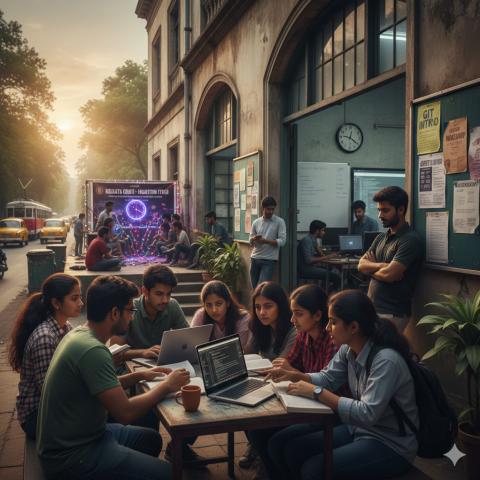
Another major reason students compare learning cultures is peer influence. In technology-driven courses, learning doesn’t stop when the lecture ends. Many insights come from informal discussions, group projects, late-night debugging sessions, and peer-led exploration of new tools or languages.
Colleges with a healthy academic culture naturally attract students who are curious, motivated, and willing to help each other grow. This creates a ripple effect. When peers are building small applications, participating in hackathons, or experimenting with emerging technologies, others are inspired to do the same. Over time, this collective momentum becomes a defining characteristic of the institution.
On the other hand, in environments where competition outweighs collaboration or where curiosity isn’t encouraged, students may feel isolated or hesitant to explore beyond the syllabus. Recognizing this contrast early on is why learning culture becomes such a critical comparison point.
Exposure to Practical Learning and Industry Alignment
BCA students are acutely aware that employability depends heavily on practical skills. This awareness drives them to compare how different colleges integrate hands-on learning into their academic framework. Does the institution emphasize mini-projects? Are students encouraged to build real applications rather than just theoretical models? Is there room to fail, debug, and improve?
A progressive learning culture actively bridges the gap between academics and industry. Regular workshops, coding labs, guest lectures from professionals, and exposure to real-world problem statements help students contextualize what they learn. This not only builds technical competence but also instills confidence a trait employers value highly.
Faculty Accessibility and Mentorship
Students also tend to evaluate how approachable faculty members are. In colleges with a positive learning culture, faculty-student interaction extends beyond classrooms. Mentorship sessions, open discussions, and guidance on career paths are common. This support system plays a crucial role, especially for students who may be unsure about their specialization interests or long-term goals.
When teachers encourage questions, acknowledge diverse learning speeds, and provide constructive feedback, students feel valued. This emotional safety allows them to take intellectual risks trying new ideas, asking “basic” questions, or exploring unfamiliar domains without fear of judgment.
Adaptability in a Rapidly Changing Tech Landscape
The technology sector evolves rapidly, and students know that what they learn today may become obsolete tomorrow. As a result, they compare colleges on how adaptable their learning culture is. Institutions that regularly update curricula, introduce elective flexibility, or promote self-learning through certifications and online platforms tend to stand out.
A culture that encourages continuous learning prepares students not just for their first job, but for long-term career resilience. This forward-looking mindset is increasingly becoming a deciding factor for students who think beyond immediate placement outcomes.
The Emotional and Psychological Dimension of Learning
Often overlooked, but deeply felt, is the emotional environment of a college. Stress levels, academic pressure, inclusivity, and mental well-being all tie back to learning culture. Students compare whether a campus feels supportive or overwhelming, encouraging or restrictive.
A balanced learning culture recognizes that growth happens best when students feel mentally secure. Reasonable academic expectations, access to counseling, and an environment that respects individuality contribute to healthier, more productive learners.
Making an Informed Choice
Ultimately, students compare learning culture because they understand its long-term impact. A BCA degree is not just a qualification; it is a formative phase that shapes how students think, solve problems, and approach challenges. The right environment can ignite passion, while the wrong one can suppress potential.
As awareness grows, so does the depth of comparison. Learning culture has moved from being an abstract idea to a tangible, experience-driven factor in decision-making. For students aiming to build meaningful careers in technology, this comparison isn’t just logical it’s essential.