In today’s world, sustainability and environmental responsibility are becoming important topics in schools and classrooms. Teachers, parents, and students are now looking for eco-friendly school supplies that reduce environmental impact while maintaining quality and usability. One such innovative product gaining popularity is paper pencils—a sustainable alternative to traditional wooden pencils.
Paper pencils are designed to provide a smooth writing experience while protecting the environment. They are safe for children, durable for everyday classroom use, and made from recycled materials that help reduce deforestation. In this article, we will explore everything you need to know about paper pencils for schools, including their benefits, features, uses, and why they are the future of sustainable stationery.
What Are Paper Pencils?
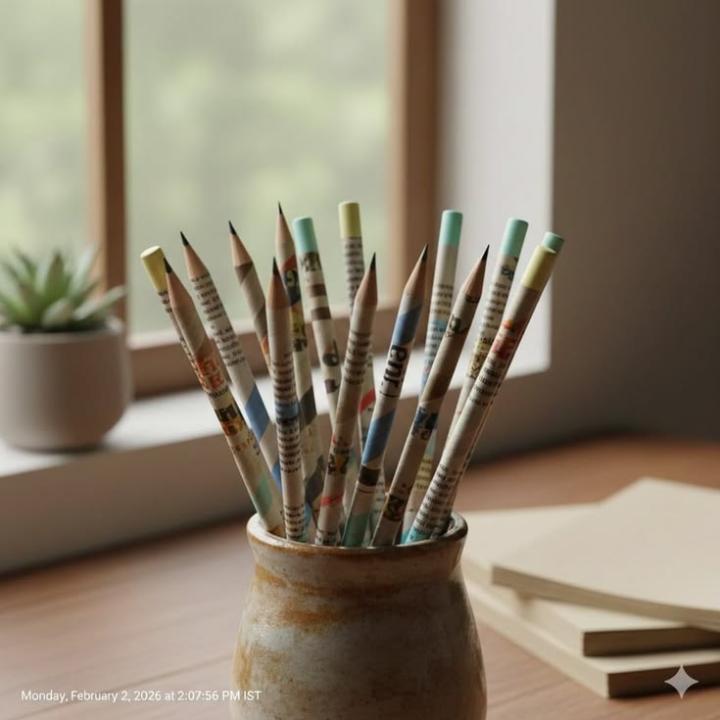
Paper pencils are writing tools made from tightly rolled recycled paper wrapped around a graphite core. Unlike traditional pencils made from wood, paper pencils use waste paper, newspapers, or recycled materials to create a strong and functional outer body.
These pencils perform just like normal pencils—they can be sharpened, used for writing and drawing, and erased easily. However, the biggest difference is that they do not require cutting trees for production, making them an eco-friendly choice for schools and educational institutions.
Some paper pencils are even plantable, meaning they contain seeds at the end that can be planted after use, turning waste into plants and promoting environmental awareness among students.
Why Schools Should Switch to Paper Pencils
Schools use millions of pencils every year, and most traditional pencils are made from wood, contributing to deforestation. Switching to paper pencils is a simple yet impactful step toward sustainability.
Here are the main reasons why schools should use paper pencils:
1. Eco-Friendly and Sustainable
Paper pencils are made from recycled paper, which helps reduce waste and protects forests. Traditional pencil production requires cutting down trees, but paper pencils reuse existing materials, reducing environmental damage.
Using recycled paper pencils promotes the 3R concept—Reduce, Reuse, and Recycle, teaching students the importance of sustainability in everyday life.
2. Safe for Children
Safety is a top priority in schools. Paper pencils are made using non-toxic materials and safe graphite cores, making them suitable for children of all ages. Many eco-friendly paper pencils are produced without harmful chemicals, making them ideal for classroom use.
Unlike plastic stationery items, paper pencils are biodegradable and do not release harmful toxins into the environment.
3. Durable and Long-Lasting
A common misconception is that paper pencils are weak. In reality, they are tightly rolled and compressed, making them strong and durable. They do not break easily and can be sharpened just like wooden pencils.
The manufacturing process ensures that the paper is tightly wrapped around the lead, providing a strong structure that lasts throughout the school year.
4. Cost-Effective for Schools
Schools often purchase stationery in bulk, and cost is a major concern. Paper pencils are affordable and available in bulk packs, making them suitable for school supplies.
Since they are durable, they last longer, reducing the need for frequent replacements.
5. Educational and Awareness Tool
Paper pencils are not just writing tools—they are educational tools that teach students about environmental responsibility.
Teachers can use paper pencils to explain topics like recycling, sustainability, and environmental protection. Plantable paper pencils are especially useful for school projects, gardening activities, and eco-awareness programs.
Key Features of Paper Pencils
Paper pencils offer many features that make them ideal for schools:
✔ Made from Recycled Paper
Paper pencils use waste paper or newspapers, reducing landfill waste and conserving natural resources.
✔ Wood-Free Production
Since no wood is used, paper pencils help prevent deforestation and preserve forests.
✔ Non-Toxic and Safe
Most paper pencils are chemical-free and safe for children, making them suitable for daily classroom use.
✔ Smooth Writing Experience
They contain high-quality graphite cores that provide smooth writing and easy sharpening.
✔ Biodegradable and Compostable
Unlike plastic stationery, paper pencils break down naturally, reducing environmental pollution.
✔ Plantable Options Available
Some paper pencils contain seeds that can grow into flowers, herbs, or vegetables after planting.
Benefits of Paper Pencils for Students
1. Better Learning Environment
Using eco-friendly stationery creates a positive learning environment where students understand the importance of sustainability.
2. Encourages Creativity
Paper pencils are available in colorful designs and creative >
3. Improves Environmental Awareness
Students learn how everyday products can impact the environment and how small changes can make a big difference.
4. Supports Green School Initiatives
Many schools are adopting green policies. Paper pencils align perfectly with eco-friendly school programs and sustainability goals.
Paper Pencils vs Traditional Wooden Pencils
| Feature | Paper Pencils | Wooden Pencils |
|---|---|---|
| Material | Recycled paper | Wood (trees) |
| Environmental Impact | Low | High (deforestation) |
| Biodegradable | Yes | Partially |
| Safety | Non-toxic | Depends on coating |
| Durability | High | High |
| Educational Value | High | Low |
Uses of Paper Pencils in Schools
Paper pencils are versatile and can be used for multiple purposes:
✔ Classroom Writing
Students can use paper pencils for daily writing, homework, and exams.
✔ Drawing and Art
Paper pencils are ideal for sketching, coloring, and creative projects.
✔ School Projects
They are perfect for eco-friendly school projects and environmental activities.
✔ Eco Clubs and Awareness Campaigns
Schools can distribute paper pencils during environmental campaigns and events.
✔ Return Gifts and School Events
Paper pencils make unique eco-friendly gifts for students during school functions and competitions.
Why Eco-Friendly Stationery Matters in Education
Education plays a crucial role in shaping future generations. By introducing sustainable stationery like paper pencils, schools can teach students about environmental responsibility from an early age.
Using eco-friendly products reduces carbon footprints, promotes recycling, and encourages responsible consumption. It also helps schools build a green image and contribute to global sustainability goals.
Future of Paper Pencils in Schools
The demand for eco-friendly school supplies is growing rapidly. As environmental awareness increases, paper pencils are expected to become a standard part of school stationery kits.
Many schools, educational institutions, and eco-conscious parents are already switching to sustainable stationery products to reduce environmental impact. Paper pencils represent the future of green education and responsible learning.
Tips for Schools and Parents
-
Buy paper pencils in bulk to reduce packaging waste.
-
Choose plantable paper pencils for environmental activities.
-
Encourage students to recycle pencil shavings and used stationery.
-
Teach students how paper pencils help save trees.
-
Promote eco-friendly stationery as part of school curriculum.
Conclusion
Paper pencils are a smart, safe, and sustainable alternative to traditional wooden pencils. They are durable, non-toxic, eco-friendly, and perfect for school use. By switching to paper pencils, schools can reduce deforestation, minimize waste, and teach students the importance of sustainability.
As the world moves toward eco-conscious living, paper pencils are becoming an essential part of modern classrooms. They are not just writing tools—they are symbols of responsible education and a greener future.