In today’s healthcare landscape, early detection and continuous monitoring play a critical role in saving lives. One small yet powerful device that has become essential in hospitals, clinics, and homes alike is the pulse oximeter. From managing chronic conditions to supporting remote patient monitoring, this device helps people stay informed about their oxygen levels and overall health.
But what exactly is a pulse oximeter, and why is it used so widely? Let’s break it down in a simple, practical way.
What Is a Pulse Oximeter?
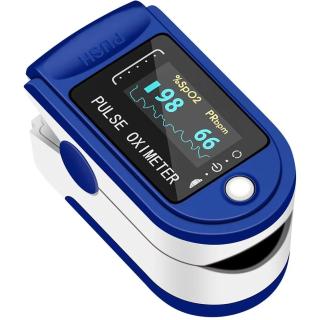
A pulse oximeter is a non-invasive medical device that measures the oxygen saturation level (SpO₂) in your blood and your pulse rate. Oxygen saturation shows how efficiently oxygen travels through your bloodstream to vital organs like the brain and heart.
Most pulse oximeters are small, portable, and clip onto a fingertip. Within seconds, they display oxygen levels and heart rate on a digital screen. Because the test is painless and quick, healthcare professionals and patients rely on it for frequent monitoring.
How Does a Pulse Oximeter Work?
A pulse oximeter works by using light sensors. When you place it on your finger, it sends two types of light—red and infrared—through the skin. Oxygenated and deoxygenated blood absorb light differently. The device analyzes this difference to calculate the oxygen saturation level in your blood.
This process happens instantly, allowing users to track changes in oxygen levels in real time without drawing blood or performing complex tests.
Why Is a Pulse Oximeter Used?
The primary reason for using a pulse oximeter is to monitor oxygen levels and heart rate efficiently. Oxygen saturation is a vital health indicator, and even slight drops can signal underlying health issues.
Healthcare providers use pulse oximeters to:
Detect early signs of respiratory distress
Monitor patients during surgery or recovery
Assess lung and heart function
Support remote patient monitoring programs
For home users, it offers peace of mind by helping them track their health and seek medical care before conditions worsen.
Importance of Monitoring Oxygen Saturation
Oxygen plays a crucial role in keeping organs functioning properly. When oxygen levels fall below normal, the body may not receive enough oxygen to maintain healthy function. This condition, known as hypoxemia, can occur without noticeable symptoms in its early stages.
A pulse oximeter helps detect low oxygen levels early, allowing timely medical intervention. This early detection can prevent complications, reduce hospital admissions, and improve patient outcomes.
Common Uses of a Pulse Oximeter in Healthcare
Hospital and Clinical Settings
Doctors and nurses use pulse oximeters to monitor patients during surgeries, anesthesia, and post-operative recovery. They also rely on them in emergency rooms to quickly assess a patient’s respiratory status.
Home Healthcare
Many patients use a pulse oximeter at home to track oxygen levels regularly. This is especially important for individuals managing chronic conditions or recovering from illness.
Remote Patient Monitoring
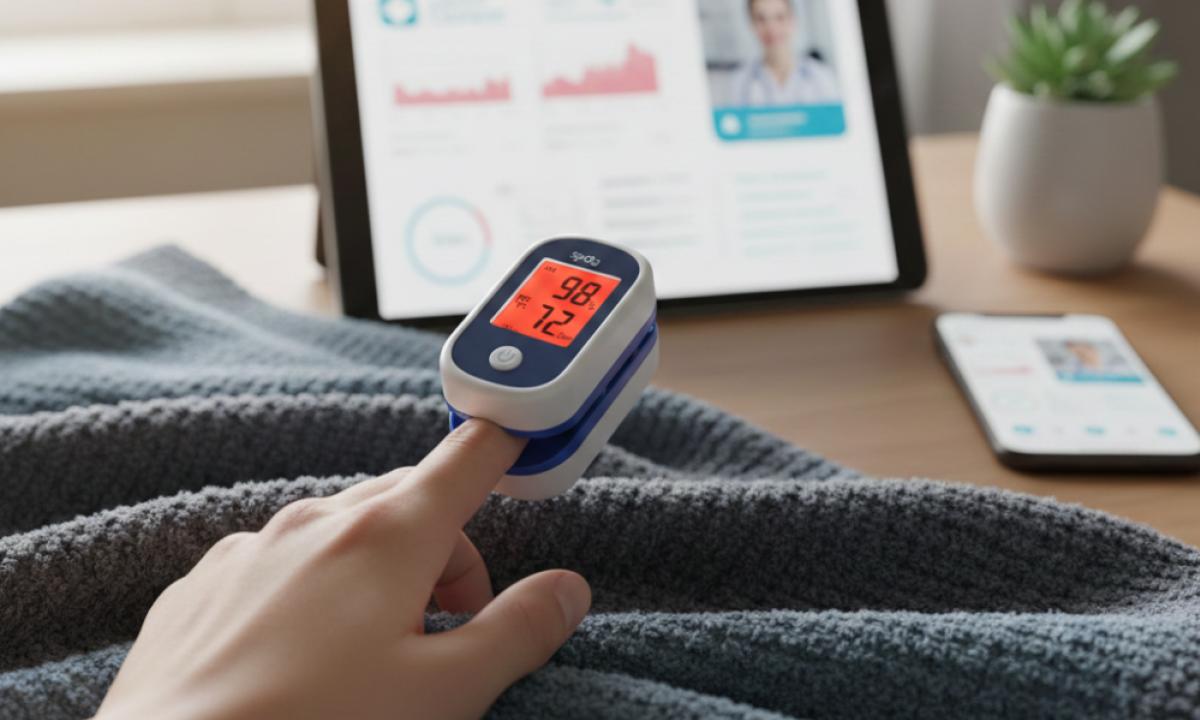
With the rise of telehealth, pulse oximeters have become essential tools for remote patient monitoring. Patients can share readings with healthcare providers, enabling doctors to monitor health trends without in-person visits.
Who Should Use a Pulse Oximeter?
A pulse oximeter benefits a wide range of individuals, including:
Patients with chronic respiratory conditions such as COPD or asthma
Individuals with heart disease
Elderly patients who require regular health monitoring
Patients recovering from surgery or respiratory infections
People using home oxygen therapy
Even healthy individuals may use a pulse oximeter during high-altitude travel or intense physical activity to ensure safe oxygen levels.
Advantages of Using a Pulse Oximeter
Non-Invasive and Painless
A pulse oximeter does not require needles or blood samples, making it comfortable and safe for repeated use.
Easy to Use
Most devices are simple to operate, even for non-medical users. Clear digital displays make readings easy to understand.
Portable and Affordable
Pulse oximeters are lightweight and affordable, allowing users to monitor health anytime and anywhere.
Supports Preventive Care
By tracking oxygen levels regularly, users can identify changes early and seek medical advice before conditions worsen.
Accuracy and Limitations of Pulse Oximeters
Modern pulse oximeters are highly accurate when used correctly. However, certain factors can affect readings, such as poor circulation, nail polish, cold fingers, or excessive movement.
While a pulse oximeter provides valuable information, it does not replace professional medical diagnosis. Doctors often use it alongside other clinical assessments to make informed decisions.
Pulse Oximeters in Chronic Disease Management
For patients with long-term health conditions, consistent monitoring is essential. A pulse oximeter allows individuals to track trends over time, helping healthcare providers adjust treatment plans as needed.
This continuous feedback empowers patients to take an active role in managing their health while staying connected to medical professionals.
Why Pulse Oximeters Matter More Than Ever
As healthcare shifts toward home-based care and digital health solutions, the pulse oximeter has become more relevant than ever. It bridges the gap between patients and providers by offering real-time insights into respiratory health.
By enabling early detection, supporting remote care, and improving patient safety, the pulse oximeter plays a vital role in modern healthcare systems
Conclusion
A pulse oximeter is a simple yet powerful device that provides critical information about oxygen levels and heart rate. Its ease of use, affordability, and reliability make it an essential tool in hospitals, clinics, and home healthcare settings.
Whether used for chronic disease management, recovery monitoring, or preventive care, a pulse oximeter helps individuals and healthcare providers make timely, informed decisions. As healthcare continues to evolve, this small device will remain a key player in promoting safer and more connected patient care.
Source - Click Here