As rainfall patterns become more unpredictable and urban spaces grow denser, managing surface water has become a real challenge in 2026. Homeowners, businesses, and institutions are increasingly searching for long-term drainage solutions that don’t overload public sewers or damage landscapes. This is where Local Soakaway Installation has gained serious attention as a sustainable and effective option.
A well-designed soakaway works as a quiet hero beneath the ground, allowing excess rainwater to drain naturally into the soil. When paired with a properly planned garden drainage system, it helps prevent waterlogging, flooding, and foundation issues. With stricter planning guidelines and a stronger push toward eco-friendly drainage, understanding how soakaways work is more important than ever.
Key Takeaways
-
What local soakaway installation is and how it manages surface water
-
When a garden drainage system needs a soakaway
-
Key challenges and benefits of installing a soakaway
-
Best practices for choosing the right design and location
-
Answers to the most common soakaway-related questions
What Is Local Soakaway Installation and Why Is It Important?
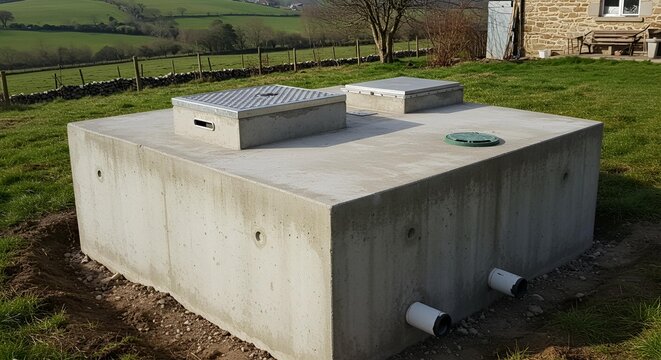
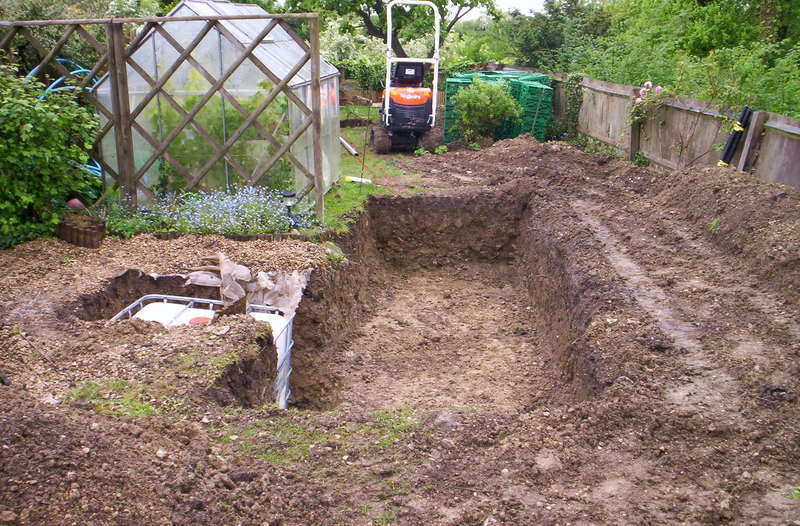
Local soakaway installation refers to creating an underground structure that collects surface water and allows it to soak gradually into the surrounding soil. Instead of sending rainwater into drains or sewers, soakaways reduce pressure on drainage networks.
This approach is especially useful in areas prone to heavy rainfall or poor surface runoff. With climate-resilient infrastructure becoming a priority, soakaways are now seen as a smart, future-ready solution for both residential and commercial properties.
How Does a Garden Drainage System Work With a Soakaway?
A garden drainage system is designed to manage excess water across outdoor spaces, preventing pooling and soil damage. When connected to a soakaway, the system channels water from lawns, patios, roofs, or driveways into a controlled underground area.
The soakaway then disperses this water slowly, keeping gardens usable and protecting nearby structures. This combination improves ground stability and supports healthier landscaping over time.

When Do You Actually Need a Soakaway?
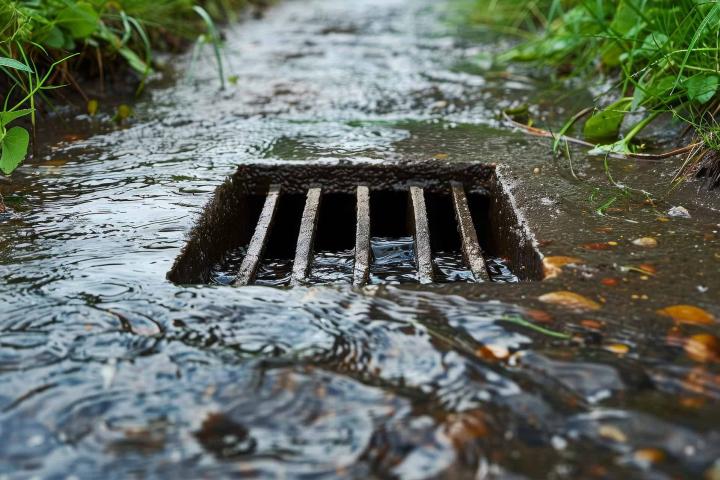
Not every drainage issue requires a soakaway, but certain signs strongly indicate the need for one. Persistent standing water, soggy lawns, damp garden boundaries, or water flowing toward building foundations are common triggers.
Properties that lack access to main drainage or are required to comply with sustainable drainage regulations often benefit the most. In such cases, local soakaway installation becomes a practical and compliant choice.
What Are the Common Challenges With Soakaway Installation?
One of the main challenges is soil type. Clay-heavy soil absorbs water slowly, which can limit soakaway efficiency if not designed correctly. Space constraints are another issue, particularly in urban gardens.
Incorrect placement or poor construction can also lead to failure. That’s why professional assessment is essential to ensure the soakaway is sized and positioned properly within the overall garden drainage system.
How Deep and Large Should a Soakaway Be?
There’s no one-size-fits-all answer. The depth and size depend on rainfall levels, soil permeability, and the amount of water being managed. In most cases, soakaways are installed below the frost line and away from building foundations.
A proper percolation test helps determine how quickly water drains into the soil, guiding the final design. This step is crucial for long-term performance.
Are Soakaways Environmentally Friendly?
Yes, soakaways are considered one of the most environmentally responsible drainage solutions available. They reduce surface runoff, prevent erosion, and help recharge groundwater naturally.
By minimizing reliance on sewer systems, local soakaway installation supports sustainable water management goals. This makes it a preferred solution for eco-conscious homeowners and organizations.
How Long Does a Soakaway System Last?
When installed correctly, a soakaway can last several decades. Longevity depends on material quality, correct sizing, and regular maintenance of the connected garden drainage system.
Simple steps like clearing debris from surface drains and avoiding soil compaction above the soakaway help extend its lifespan significantly.
Can Businesses and Institutions Use Soakaways Too?
Absolutely. Schools, offices, warehouses, and commercial properties often use soakaways to manage large roof and surface areas. In many developments, soakaways are now a planning requirement rather than an optional feature.
For institutions, integrating soakaways into site design helps meet environmental standards while reducing long-term drainage costs.
What Should You Look for Before Choosing a Soakaway Solution?
Before moving forward, it’s important to assess soil conditions, available space, and local regulations. Working with drainage specialists ensures the system is compliant and efficient.
Clear documentation, site surveys, and long-term planning should always be part of the process when implementing local soakaway installation.
Take the Next Step Toward Smarter Water Management
Managing surface water effectively is no longer optional it’s a necessity. Whether you’re upgrading a garden drainage system or planning drainage for a larger site, soakaways offer a future-proof solution that balances performance and sustainability.
Choosing experienced professionals ensures the system works as intended for years to come. Many property owners rely on trusted providers like Precise Drainage Solutions for their technical expertise, innovative approach, and commitment to reliable drainage design.
Frequently Asked Questions (FAQs)
1. What is local soakaway installation used for?
Local soakaway installation is used to manage excess rainwater by allowing it to drain safely into the ground instead of overloading sewers or causing surface flooding.
2. Is a soakaway suitable for every garden drainage system?
Not always. Soil type, space availability, and water volume must be assessed before confirming if a soakaway is suitable for a specific garden drainage system.
3. How far should a soakaway be from a building?
Most guidelines recommend placing a soakaway at least 5 meters away from buildings to avoid foundation damage.
4. Do soakaways require maintenance?
Minimal maintenance is needed, but keeping surface drains clear and checking for sediment buildup helps maintain performance.
5. Can a soakaway handle heavy rainfall?
When properly designed and sized, soakaways can manage heavy rainfall effectively, even during prolonged wet periods.
6. How long does installation usually take?
Installation time varies by site conditions, but most residential soakaway installations are completed within one to two days.