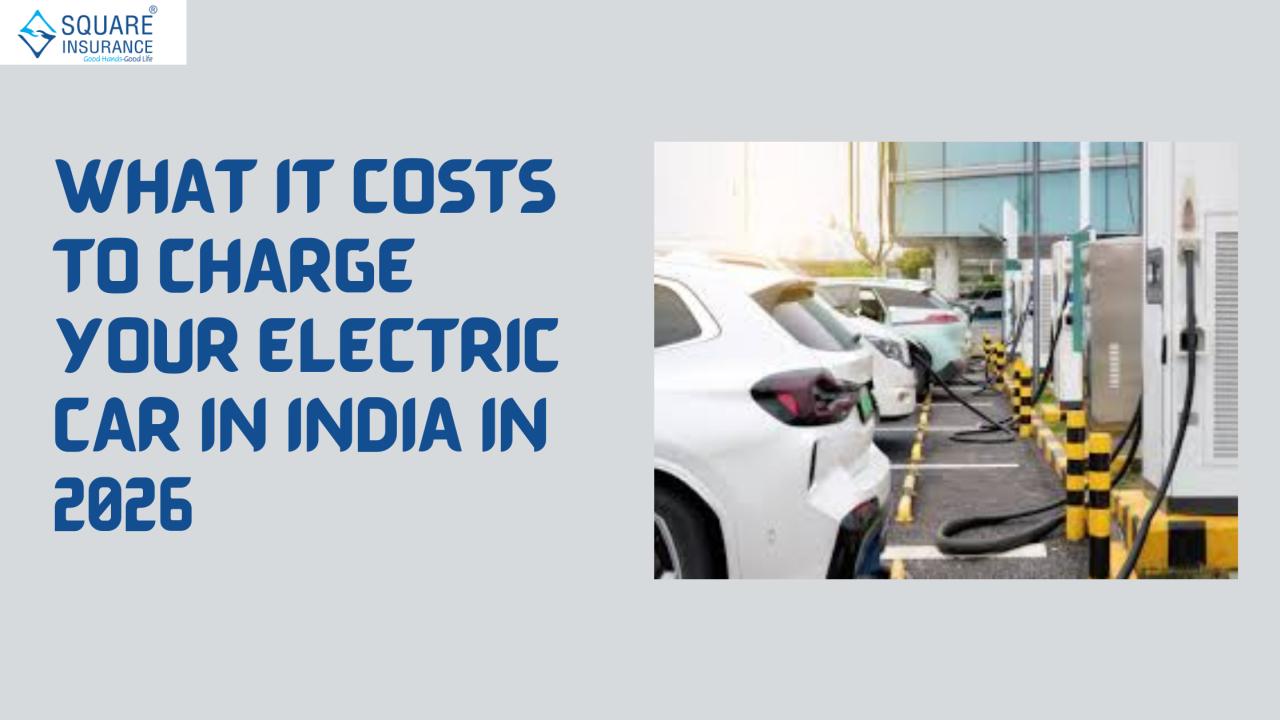
Electric vehicles (EVs) are no
longer a futuristic concept in India—they are a fast-growing reality. With
rising fuel prices, government incentives, and growing environmental awareness,
more Indians are switching to electric cars. However, one question continues to
dominate buyer conversations: The
Cost of Charging an Electric Car in India
Understanding charging expenses is
essential before making a purchase decision. This guide breaks down home
charging costs, public charging rates, monthly expenses, and long-term savings
in a simple, data-driven format.
Understanding
the Basics: How EV Charging Costs Are Calculated
Unlike petrol or diesel cars, where
cost depends on per-litre fuel rates, EV charging costs depend on:
- Battery capacity (kWh)
- Electricity tariff (per kWh)
- Charging location (home or public station)
- Charging type (slow AC or fast DC)
- State-specific electricity rates
Electricity is billed in kilowatt-hours (kWh). If your EV has a
40 kWh battery and electricity costs ₹8 per kWh, a full charge would cost:
40 × ₹8 = ₹320
That’s the basic formula.
Average
Home Charging Cost in India (2026)
Most EV owners in India charge their
vehicles at home. It is the most economical and convenient option.
Residential
Electricity Rates (2026 Estimate)
Residential tariffs vary by state,
but the average falls between:
- ₹6 to ₹10 per kWh (subsidized domestic tariff)
- ₹8 per kWh (national average estimate)
Example
Calculation
Let’s take a popular mid-size
electric car with a 35–45 kWh battery:
- 40 kWh battery
- ₹8 per kWh electricity rate
- Full charge cost = ₹320
If the car delivers 350 km per full
charge:
Cost per km = ₹320 ÷ 350 = ₹0.91 per
km
Compare that with a petrol car
costing ₹100 per litre and giving 15 km per litre:
₹100 ÷ 15 = ₹6.67 per km
The difference is substantial.
Public
Charging Cost in India (2026)
Public charging stations are
expanding rapidly across metro cities and highways. However, they are more
expensive than home charging.
Public
Charging Rates (Estimated 2026)
- AC slow charging: ₹12–₹18 per kWh
- DC fast charging: ₹18–₹25 per kWh
Example
Calculation
If you fast charge a 40 kWh battery
at ₹20 per kWh:
40 × ₹20 = ₹800
Cost per km becomes:
₹800 ÷ 350 = ₹2.28 per km
While still cheaper than petrol,
public charging is almost 2–3 times costlier than home charging.
Factors
That Influence Charging Costs
Charging cost is not fixed. It
depends on several real-world variables:
1.
State Electricity Tariffs
States like Delhi and Gujarat often
offer EV-friendly tariffs, while some states may have higher slab rates.
2.
Charging Efficiency Loss
Not all electricity drawn from the
grid reaches the battery. About 5–10% energy loss occurs during charging.
3.
Battery Size
Luxury EVs with 70–100 kWh batteries
naturally cost more to charge than compact city EVs.
4.
Charging Speed
Fast charging is convenient but
expensive. Regular AC charging at home remains the most cost-effective.
5.
Driving Style
Aggressive driving reduces
efficiency, increasing cost per kilometre.
Hidden
Costs of Charging an EV
Many buyers focus only on
electricity rates, but there are additional expenses:
1.
Home Charger Installation
Installing a Level 2 AC charger at
home can cost ₹20,000 to ₹70,000 depending on wiring upgrades.
2.
Electricity Load Upgrade
Some homes may require load
enhancement, adding extra charges.
3.
Infrastructure Maintenance
Though minimal, occasional charger
servicing may be needed.
However, even after factoring these
costs, EV ownership remains economical over the long term.
Long-Term
Savings Perspective
Over 5 years:
- EV charging cost: Approx. ₹1–1.5 lakh
- Petrol expense: ₹4–5 lakh
Savings: ₹3 lakh or more
Additionally, EVs have:
- Lower maintenance cost
- Fewer moving parts
- No engine oil changes
- Reduced brake wear (due to regenerative braking)
From an insurance and ownership
standpoint, lower running costs also improve overall financial planning.
Is
EV Charging Affordable in 2026?
Yes, particularly if:
- You have access to home charging
- You drive regularly (higher monthly mileage increases
savings)
- You live in a state with EV-friendly tariffs
Public charging dependence may
reduce savings, but EVs remain cost-effective compared to fossil fuel vehicles.
Conclusion
Charging an electric car in India in
2026 is significantly cheaper than fueling a petrol or diesel vehicle,
especially when most charging is done at home. With average costs ranging
between ₹0.80 to ₹2.50 per kilometre, EVs offer substantial long-term financial
benefits.
However, smart ownership goes beyond
charging costs. Protecting your EV with comprehensive insurance coverage is
equally important. From battery protection add-ons to roadside assistance and
zero depreciation coverage, having the right policy ensures peace of mind. At Square
Insurance, vehicle owners can explore tailored EV insurance solutions that
match modern electric mobility needs while keeping affordability in focus.
Making the switch to electric is not
just environmentally responsible—it’s financially strategic when planned
correctly.
Frequently Asked Questions
1.
How much does it cost to fully charge an electric car in India in 2026?
It typically costs between ₹300 and
₹900 depending on battery size and whether you charge at home or a public fast
charger.
2.
Is home charging cheaper than public charging?
Yes. Home charging can cost nearly
half or even one-third of public fast charging rates.
3.
What is the average monthly EV charging cost?
For someone driving 1,000–1,200 km
per month, the cost ranges between ₹1,500 and ₹2,500.
4.
Does fast charging increase electricity cost?
Yes. Fast charging stations charge
higher per kWh rates compared to residential tariffs.
5.
Are electric cars cheaper to run than petrol cars?
Yes. On average, EVs cost 60–80%
less per kilometre compared to petrol vehicles.