Finishing a Game Art Diploma often feels like stepping into an open world — full of possibilities, full of paths, and yes, a few questions about which direction to take. Many imagine their next step will be in gaming alone, but in truth, these skills stretch far beyond that. The same techniques used to build game environments now shape films, XR experiences, architecture, advertising, and even education.
According to a report, the global gaming market is expected to reach nearly USD 183.99 billion by 2032, and that growth is creating opportunities in every corner of interactive media. If you’re wondering what comes next after your diploma, here are ten exciting career paths that show just how far your creativity can travel.
1. 3D Environment Artist
Three-dimensional (3D) environment artists create the virtual environments that people live and play in. The artist's imagination created each element in the environment. Elements include mountains, streets, and even pieces of furniture.
The three-dimensional (3D) environment artist also understands how light works and how different types of weather can affect the way we feel about a place. This artist knows how the space of a location can tell a story and create an emotional connection with the user.
In addition to working at large (AAA) game studios, three-dimensional (3D) environment artists are involved in all aspects of extended reality (XR), film production, and other fields related to digital media. Three-dimensional (3D) environment artists are among the most in-demand and rewarding careers available to students graduating with a Game Art diploma.
2. Character Artist
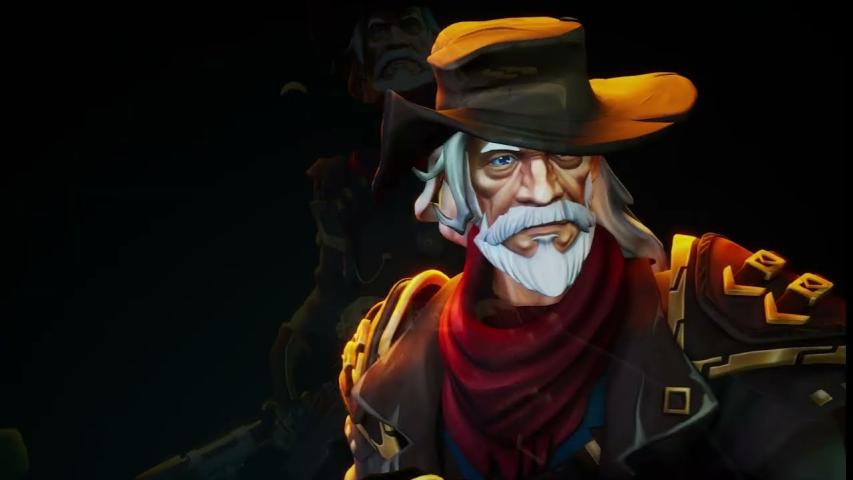
If you have an interest in character design, sculpting personalities, and bringing imaginary characters to life, then a career as a character artist may be for you. Character artists develop the heroes, villains, and all the in-between characters in a project. These artists focus on anatomy, emotion, and details when creating these characters' faces and bodies. When a character artist develops a character, the player can immediately identify and relate to the character.
Studios throughout the world are looking for skilled character artists who can integrate their technical skills with their artistic ability to bring designs to life. Your characters will be the heart and soul of every story developed for games, films, television shows, and other forms of digital media.
3. Concept Artist
Prior to the creation of any three-dimensional (3D) models, concept artists provide the overall vision and inspiration for a project. Concept artists use their drawing, painting, and sketching skills to generate visual concepts and ideas for a project. These artists will provide the initial visual guidance for a project, which includes defining the visual >
Concept artists will influence every aspect of a project, including but not limited to the type of world that is created.
A Game Art diploma program provides the student with a solid understanding of the fundamental principles of art, such as composition, perspective, and storytelling. These skills are essential for anyone interested in pursuing a career in concept art.
4. Level Designer
The relationship between the art of level design and gameplay is a direct relationship. Level designers determine how a player navigates the world and what they see first, where they go next, and what obstacles or challenges the player will encounter along the way. Level design requires a combination of creativity and strategy.
While the level designer creates the layout of a space, the designer is building the experience of the game and keeping the player engaged and curious. For individuals who prefer the structure of design as well as storytelling, a career as a level designer is an excellent opportunity.
5. Technical Artist
Technical artists are the quiet problem-solvers who make everything work behind the scenes. They bridge the gap between art and programming, ensuring assets run smoothly in the game engine without losing visual quality.
As studios rely more on real-time rendering and dynamic effects, this role has become one of the most valuable. A recent report from Burning Glass Institute notes a 20% rise in hybrid art-tech roles since 2020 — and that growth is only accelerating.
6. Lighting Artist
Light sets the mood. A single beam can tell a story, and a shadow can shift the tone of an entire scene. Lighting artists craft that emotional layer, shaping how players experience each space.
Graduates who understand the psychology of light and colour find work not just in games, but also in film, animation, and architectural visualisation.
7. Texture and Material Artist
This is where the small details matter most — the roughness of stone, the softness of fabric, the gleam of metal. Texture and material artists make every surface believable. They use specialised tools like Substance Painter and Designer to give virtual worlds their tactile realism.
It’s a meticulous role, perfect for those who enjoy crafting subtle details that most players never notice consciously but always feel subconsciously.
8. VFX Artist
Fire, fog, rain, explosions, magic — visual effects bring movement and energy to digital worlds. VFX artists combine physics, animation, and creative timing to make fantasy feel real.
What makes this career especially exciting today is its crossover potential. The same skills used in games now power virtual production in films, advertising, and immersive art installations.
9. Game Animator
It’s here in animation that static models become alive, where motion takes on weight, rhythm, and character — from the fighter’s stance to the smile of the character. Each motion tells a story.
If you love to observe how people walk and gesture, how they express emotion, this is the area to be in. You must have patience, sympathy, and the ability to discover small details in life.
10. XR and Virtual Production Artist
Creativity has no frontiers. It is here that the XR artist creates worlds that contain both physical and digital space. The virtual production artist uses game engines to create cinematic sets in real-time.
From blockbuster feature films to training simulations, here is a field that is utterly changing the way in which stories are told.
For students leaving now, it is the great leap that has taken place after the game art that has been produced previously — a leap that involves the collaboration of the imagination and innovation.
Why the Game Art Diploma is Still Needed.
A Game Art Diploma is no longer only a ‘training’ in technique; it is also a ‘training’ in observation, in interpretation, in expression involved in depiction or composition. It will teach collaboration and communication, two attributes eternally in demand in any creative studio.
Technology will change, but not the faculty for artistic thinking. It will always be possible to design worlds, to tell stories in terms of visual matters, to evolve design-conscious experiences through emotional resonance.
Frequently Asked Questions
Can I take a Game Art Diploma without previous art experience?
Yes. Most programs start with basics like drawing, colour, and composition. What matters most is curiosity and a willingness to learn.
What software will I learn?
Expect to work with Unreal Engine, Blender, Maya, ZBrush, and Substance Painter — the same tools used by professional studios worldwide.
Is Game Art only for the gaming industry?
Not at all. These skills apply to film, XR, architecture, advertising, and education — any field that uses 3D storytelling.
How long does a Game Art Diploma take?
Usually between one and two years, depending on the program depth and project work involved.
What kind of portfolio should I build?
Show your process. Include sketches, models, textures, lighting tests, and final renders. Studios want to see how you think, not just what you finish.
Conclusion
The creative world is changing fast. New platforms appear every year, but what never changes is the need for artists who can imagine, design, and build experiences that move people.
If you’re ready to turn your passion for games and digital art into a career that grows with the future, start with the right foundation.
MAGES Institute’s Game Art Diploma combines strong artistic fundamentals with real-world projects guided by industry mentors. It’s where creators learn not just how to make art — but how to build worlds that last.