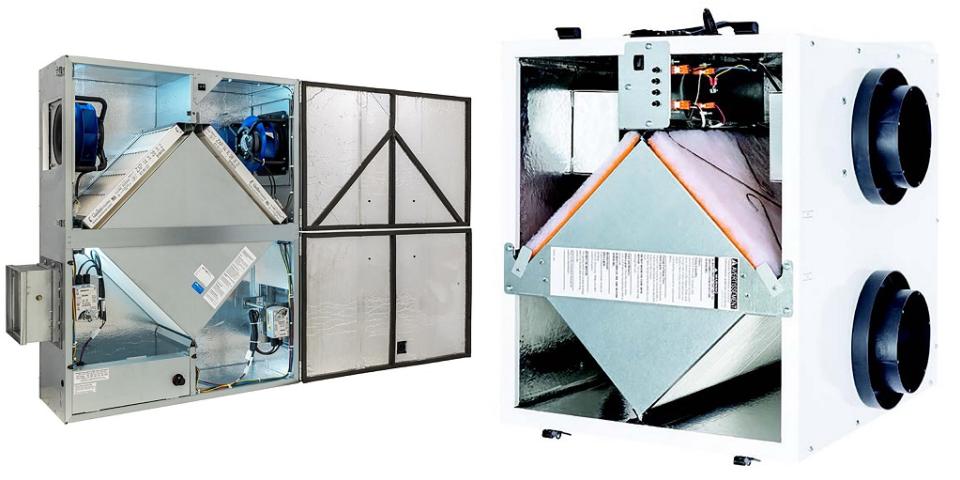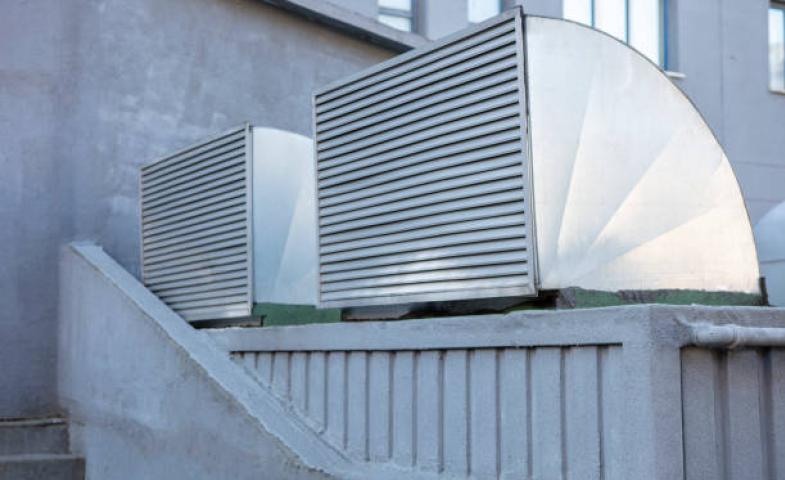
Maintaining a modern home requires a balance between aesthetic comfort and technical functionality. In a climate like Florida, where the air is thick with humidity and seasonal allergens are a year-round reality, the systems that manage your indoor environment are under constant architectural stress. While many homeowners focus on visible upgrades like landscaping or interior paint, the most critical components of a healthy home are often hidden behind drywall or situated on the roof. Understanding the intricate relationship between your air distribution network and your ventilation exhaust is the first step toward long-term property preservation and family wellness.
When you begin looking into professional home maintenance services, you are likely seeking a solution that ensures your living space remains a sanctuary. Navigating the complexities of indoor air quality can be overwhelming, but focusing on the core systems of your residence provides a clear roadmap.
The Science of Indoor Air Circulation
The air inside a typical residential property is often more polluted than the air outside. This is due to a phenomenon where modern, energy-efficient homes are sealed so tightly that they trap pollutants within the living space. Dust mites, pet dander, volatile organic compounds from cleaning products, and fine particulates from cooking or fireplace use circulate through the ductwork repeatedly. Over time, these contaminants settle within the conduits of your HVAC system, creating a layer of debris that acts as a filter in reverse, releasing allergens back into the air every time the fan kicks on.
In coastal regions, this issue is compounded by moisture. When organic dust meets high humidity, it creates an environment where biological growth can flourish. This not only impacts the smell of the home, often resulting in a persistent musty odor, but it also forces the mechanical components of your heating and cooling systems to work harder. An overworked system consumes more electricity and is prone to premature mechanical failure, which can lead to expensive emergency repairs during the peak of the summer heat.
The Role of Exhaust Systems in Fire Safety
While the cooling system handles the air you breathe during the day, the chimney and fireplace system handles the exhaust of combustion during those chilly evening hours. Many residents treat their fireplaces as decorative features, but they are complex ventilation machines that require precise calibration. Every time wood is burned, a substance known as creosote is deposited along the interior lining of the flue. Creosote is highly combustible and, if left to accumulate, can ignite under the intense heat of a standard fire, leading to a structural chimney fire that can spread to the rest of the house in minutes.
The danger of an unmaintained chimney is not limited to fire. Blockages caused by debris, crumbling masonry, or even bird nests can prevent the free flow of gases. This leads to a backup of carbon monoxide, a colorless and odorless gas that can be fatal if it enters the living quarters. Ensuring that your exhaust paths are professionally inspected and cleaned is a non-negotiable aspect of responsible homeownership; it transforms a potential hazard into a safe, functional centerpiece for your family gatherings.
Strategic Maintenance for Longevity
A proactive maintenance schedule is far more cost-effective than a reactive repair strategy. Homeowners who wait for a visible problem, such as a cloud of dust coming from a vent or a smoky living room, are often already facing significant damage. By scheduling regular cleanings for both the air ducts and the chimney, you are essentially performing a "detox" for your home. This process removes the accumulated burden from your mechanical systems, allowing them to operate at peak efficiency.
The financial benefits of this approach are tangible. An efficient HVAC system can lower monthly utility bills by up to 20 percent in some cases, as the motor does not have to fight against the resistance of clogged filters and dirty coils. Similarly, a well-maintained chimney prevents the need for costly masonry reconstruction. When water is allowed to sit in a soot-filled flue, it creates an acidic slurry that eats away at the mortar and brickwork from the inside out. Keeping these areas clean and dry is the best way to avoid the five-figure price tag of a total chimney rebuild.
Improving the Respiratory Environment
For families with young children, elderly members, or individuals with pre-existing respiratory conditions, the quality of the air is a daily concern for their health. Fine particulates, often smaller than 2.5 microns, can bypass the body's natural filters and enter the bloodstream through the lungs. These particles are common in uncleaned chimneys and neglected ductwork. Professional-grade cleaning equipment, utilizing high-HEPA filtration and high-velocity suction, ensures that these microscopic threats are removed from the home entirely rather than simply being shifted from one room to another.
The psychological impact of a clean home should not be underestimated either. There is a profound sense of relief that comes from knowing the hidden corners of your house are free from mold, pests, and fire hazards. It allows you to enjoy your home to its fullest extent, whether you are hosting a holiday dinner by the hearth or simply relaxing in a dust-free bedroom.
The Professional Standard of Care
Choosing a service provider involves looking for expertise that goes beyond the surface. A truly high-quality cleaning involves a multi-point inspection where technicians check for structural integrity, proper sealing, and mechanical performance. For air ducts, this includes cleaning the supply and return vents, the internal air handler, and the cooling coils. For chimneys, it involves a top-to-bottom scrub and a check of the chimney cap and flashing to ensure the system is watertight.
Technology has significantly improved these processes. Modern technicians use infrared cameras and robotic borescopes to see deep into the dark recesses of your home’s infrastructure. This allows them to identify small cracks or leaks that would have been missed a decade ago. By catching these issues early, homeowners can make minor repairs that prevent catastrophic failures.
Integrating Home Wellness into Your Routine
As you move forward with your home improvement plans, consider the air you breathe as a primary pillar of your renovation. Just as you would update your kitchen or bathroom to increase the value and enjoyment of your property, investing in the cleanliness of your ventilation systems provides a return on investment that you can feel every day. It is an essential service for the modern resident who values safety, efficiency, and health.
Maintaining a clean and safe home environment is a journey, not a destination. It requires a partnership with professionals who understand the local climate and the specific architectural needs of your residence. By prioritizing these hidden systems, you ensure that your home remains a safe haven for decades to come. To learn more about how comprehensive cleaning can transform your environment, you can visit https://ductsalldone.com/, which serves as a primary resource for homeowners dedicated to high standards of domestic hygiene.