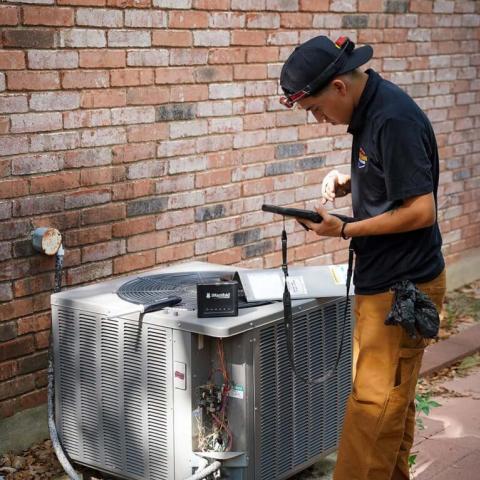

Maintaining a residential property in the fast-growing suburbs of Central Texas requires a keen understanding of how local environmental factors impact your home’s infrastructure. In a region known for its limestone dust, high cedar pollen counts, and intense humidity, the mechanical systems that govern your indoor air quality are under constant architectural stress. While homeowners are often diligent about visible maintenance like lawn care or roof inspections, the most critical component of a healthy living environment is often hidden behind walls and ceilings. The network of air ducts and exhaust paths that make up your home’s ventilation system acts as its respiratory tract, and when these pathways become congested, the health of the entire house can suffer. For those looking to optimize their domestic environment, investing in professional Vent Cleaning Round Rock Texas is a fundamental step toward long-term property value and family wellness.
As we move toward a future where homes are built to be increasingly airtight for energy efficiency, the natural exchange of air is often sacrificed. This creates a scenario where pollutants, once they enter the home, have nowhere to go. Without a clear and maintained path for air to flow, your heating and cooling system eventually begins to recirculate years of accumulated debris, leading to a host of avoidable complications.
The Hidden Accumulation of Texas Dust and Allergens
The geography of the Hill Country presents a specific set of challenges for indoor air quality. During the spring and fall, pollen levels in the region are among the highest in the country, and these microscopic particles easily find their way into your home through doors, windows, and even on your clothing. Once inside, they are pulled into the return vents of your HVAC system. While high-quality filters catch a significant portion of this debris, they are not a perfect seal. Over time, fine dust and pollen bypass the filters and settle into the deep recesses of the ductwork.
In the humid climate of Round Rock, this accumulation is more than just an aesthetic nuisance. When moisture from the humid air interacts with the organic material found in dust, it creates an environment where biological growth can flourish. This can lead to persistent musty odors and the proliferation of allergens that are continuously pushed into your bedrooms and living areas every time the fan kicks on. By prioritizing a deep cleaning of these systems, you are essentially performing a total "reset" of your home’s air supply, removing the hidden reservoirs of irritants that can trigger asthma and seasonal allergies.
The Financial Logic of Efficient Ventilation
Beyond the clear health benefits, there is a powerful economic argument for maintaining a clean ventilation system. Your air conditioning unit is a precision machine designed to move a specific volume of air at a specific speed. When the interior of a vent is coated in a thick, fuzzy layer of debris, it creates aerodynamic resistance. This resistance forces the blower motor to consume more electricity to push air through the narrowed opening, leading to a steady increase in your monthly utility bills.
Furthermore, the mechanical integrity of your HVAC system is directly tied to the cleanliness of the air it moves. When airflow is restricted, the evaporator coils must work harder to manage heat exchange, which often leads to the system "freezing up" or the motor burning out prematurely. Replacing a full HVAC unit is one of the most significant expenses a homeowner can face. Regular, professional maintenance acts as a form of mechanical insurance, ensuring that your system operates within its intended parameters and extending its lifespan by several years. In the peak of a Texas summer, a clean system is the difference between a comfortable home and a costly emergency repair.
The Dual Importance of Exhaust Path Maintenance
A comprehensive approach to home safety must also look at the paths that carry air out of the home. This includes dryer vents and chimneys, both of which are common sources of household hazards if neglected. Dryer vents are particularly notorious for accumulating lint, which is one of the most flammable substances found in a home. When lint builds up in the exhaust pipe, it restricts airflow, causing the dryer to overheat and potentially ignite the debris. Professional cleaning of these exhaust paths removes the fuel source and ensures that hot, moist air is safely moved to the exterior of the house.
Similarly, for homes with fireplaces, the buildup of creosote in the chimney flue is a significant fire risk. Just as dust accumulates in your cooling vents, the byproducts of combustion stick to the walls of the chimney. By integrating the maintenance of these exhaust paths with your regular air duct care, you create a holistic safety shield for your property. It ensures that every entrance and exit for air in your home is functional, safe, and efficient.
What to Expect from a Professional Service
A high standard of cleaning involves a technical process known as source removal under negative pressure. This is far more involved than a simple surface vacuuming. Professionals connect a high-powered vacuum collection unit to the main trunk of your system, creating a powerful suction that ensures no dust escapes into your living room during the cleaning. Technicians then use specialized agitation tools, such as compressed air whips and rotating brushes, to scrub the interior surfaces of the ducts.
This dislodged debris is pulled through the system and captured in HEPA filters, ensuring a total removal of contaminants. Following the cleaning of the vents, an inspection of the air handler and cooling coils is performed to ensure the entire machine is in peak hygienic condition. This level of thoroughness is what differentiates a professional restoration from a basic sweep, and it is the key to achieving a truly clean indoor environment.
Identifying the Signs Your Home Needs Attention
Many homeowners are unsure of when to schedule a professional cleaning. There are several red flags that indicate your system is at its capacity. If you notice a fine layer of gray dust returning to your furniture just hours after cleaning, your vents are likely "shedding" particulates. Another indicator is a persistent musty smell that occurs when the air conditioner first starts its cycle. You should also pay attention to the frequency with which you change your air filters. If a standard filter becomes completely clogged in less than a month, it is a sign that the system itself is heavily loaded with debris.
If you have recently moved into a new property or completed a renovation project, professional cleaning is almost mandatory. Construction dust from drywall sanding or flooring installation is incredibly fine and can bypass even the best filters, coating the entire interior of your HVAC system in a matter of days. Addressing this immediately ensures that construction debris does not circulate through your home for the next decade.
A Commitment to Long-Term Home Wellness
Investing in the health of your home’s hidden systems is one of the smartest decisions a homeowner can make. It is a proactive way to protect your property value, lower your energy costs, and ensure a safer living environment for your family. By choosing a dedicated provider, you are ensuring that your home receives a level of care consistent with the highest industry standards.
In the fast-paced rhythm of modern life, it is easy to let these maintenance tasks slip through the cracks. However, taking the time to address your ventilation today is the best way to avoid the emergencies of tomorrow. A clean home is a comfortable home, and it all begins with the quality of the air you breathe. To schedule your service and secure your home's well-being, click here..