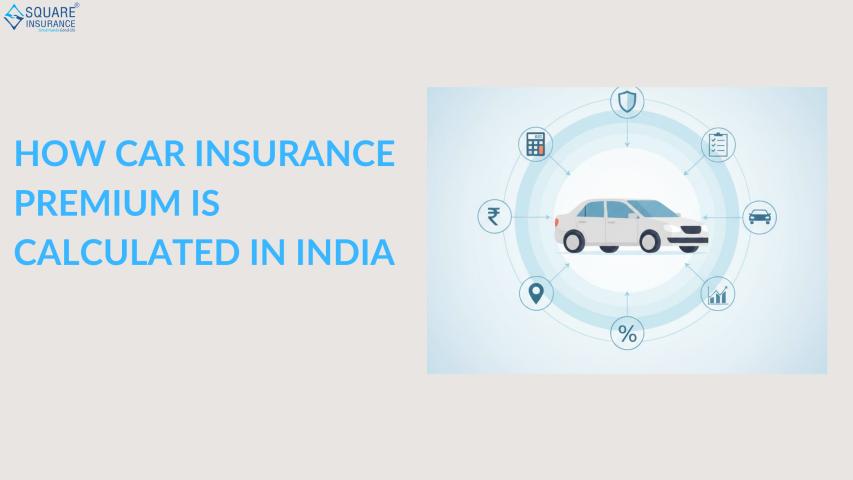
Introduction
Understanding how your car insurance
premium is calculated can help you make smarter financial decisions. Many
policyholders focus only on the final premium amount without knowing the
factors that influence it. However, insurers follow a structured underwriting
process based on regulatory guidelines, risk profiling, and statistical data.
In India, car insurance pricing is
governed partly by regulatory frameworks and partly by insurers’ internal risk
assessment models. As per the Insurance Regulatory and Development Authority of
India, third-party premiums are regulated, while own-damage premiums are
determined by insurers.
Let’s break down exactly how car insurance premiums are calculated in India.
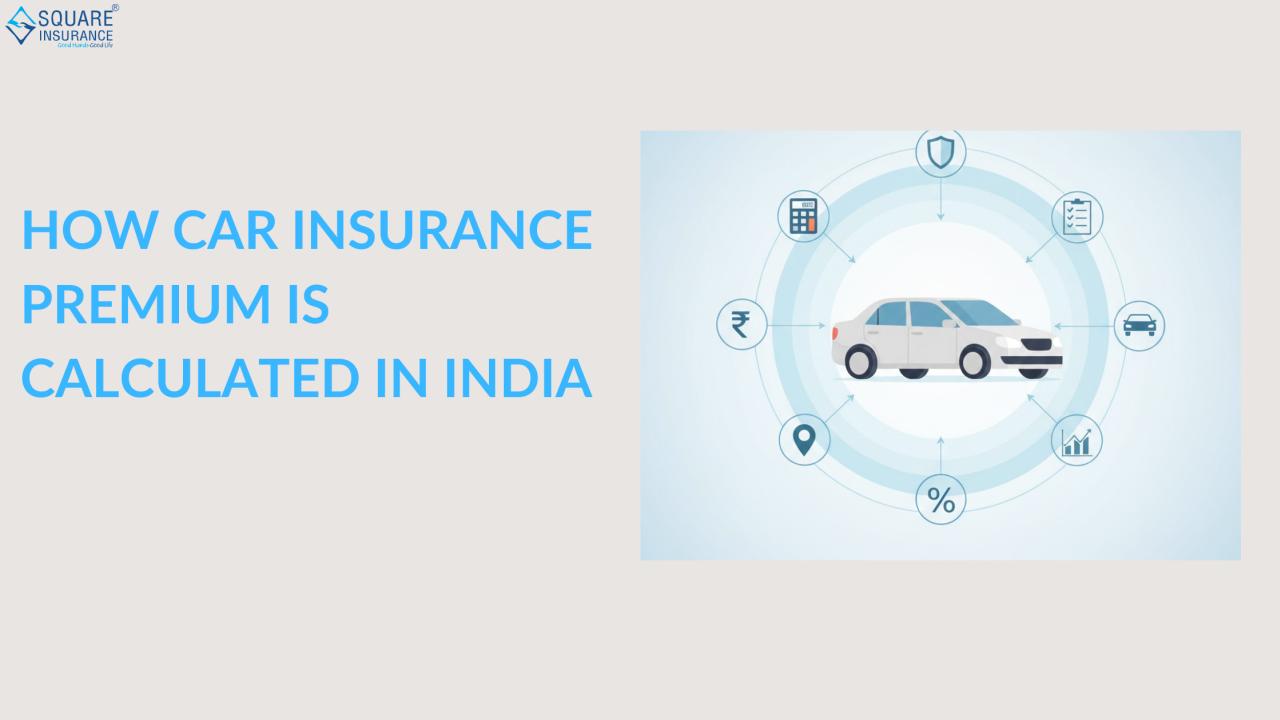
1. Components of Car Insurance Premium
A car insurance premium is broadly
divided into two parts:
A.
Third-Party Premium
This is mandatory under the Motor
Vehicles Act. The premium rates for third-party insurance are fixed by the
regulator and depend primarily on engine capacity.
It covers:
- Injury or death of a third party
- Third-party property damage
- Legal liabilities
Since these rates are standardized,
insurers cannot modify them.
B.
Own Damage (OD) Premium
This portion covers:
- Damage to your vehicle due to accident
- Theft
- Natural disasters
- Fire
- Vandalism
The own damage premium is where most
calculations and variations occur.
2. Insured Declared Value (IDV)
IDV plays a central role in premium
calculation. It represents the maximum sum insured payable if the car is stolen
or declared a total loss.
How
IDV Is Determined:
- Manufacturer’s listed selling price
- Depreciation based on vehicle age
Higher IDV = Higher premium
Lower IDV = Lower premium (but reduced claim payout)
Insurers apply standard depreciation
rates depending on the car’s age, which directly impacts IDV and premium.
3. Vehicle Make, Model, and Variant
Your car’s technical specifications
significantly influence premium.
Insurers evaluate:
- Engine capacity (CC)
- Fuel type (petrol, diesel, CNG, electric)
- Ex-showroom price
- Safety rating
- Claim history of that model
High-end luxury vehicles and sports
cars attract higher premiums due to:
- Expensive spare parts
- Higher repair costs
- Increased theft probability
4. Location of Registration
The city where your car is
registered affects risk assessment.
Metropolitan cities like Delhi or
Mumbai often have higher premiums due to:
- Dense traffic
- Higher accident rates
- Increased theft risk
Smaller towns generally attract
lower own-damage premiums.
Insurers classify cities into zones,
and risk exposure varies by zone.
5. Vehicle Age
As your car ages:
- IDV reduces due to depreciation
- Repair frequency may increase
- Premium structure changes
Typically:
- New cars have higher IDV and higher premium
- Older cars have lower IDV but may have higher
maintenance risk
After 8–10 years, many policyholders
reassess whether comprehensive coverage remains financially viable.
6. No Claim Bonus (NCB)
NCB is a discount offered for
claim-free years.
NCB Slabs:
- 20% after first claim-free year
- 25% after second
- 35% after third
- 45% after fourth
- 50% after fifth consecutive claim-free year
NCB applies only to the own-damage
premium. It significantly reduces renewal cost and encourages responsible
driving.
7. Add-On Covers Selected
Add-ons increase premium because
they enhance protection.
Common add-ons:
- Zero Depreciation Cover
- Engine Protection
- Return to Invoice
- Roadside Assistance
- Consumables Cover
Each add-on increases risk coverage,
which increases the premium accordingly. The final premium reflects the
cumulative cost of selected add-ons.
8. Deductibles (Compulsory and Voluntary)
Every policy includes a compulsory
deductible set by regulation. In addition, policyholders can opt for a
voluntary deductible.
- Higher voluntary deductible → Lower premium
- Lower voluntary deductible → Higher premium
Deductibles reduce insurer liability,
which lowers pricing.
9. Driver Profile and Risk Assessment
Although less visible, insurers may
consider:
- Age of the driver
- Driving experience
- Past claim record
- Previous policy history
A clean claim history lowers perceived
risk and reduces premium.
10. Anti-Theft and Safety Features
Cars equipped with certified
anti-theft devices or advanced safety systems may attract discounts.
Insurers view:
- Central locking systems
- GPS tracking
- ARAI-approved anti-theft devices
Lower theft probability leads to
marginal premium reduction.
11. Policy Tenure
Long-term policies (especially for
new cars) sometimes offer better value. Bundled policies combining third-party
and own damage for multiple years may provide pricing advantages compared to
annual renewals.
Sample Formula for Own Damage Premium (Simplified)
While insurers use proprietary
actuarial models, a simplified conceptual formula looks like:
Own Damage
Premium = (IDV × Base Rate) – NCB + Add-On Cost – Discounts + Taxes
The final premium also includes GST
as applicable under Indian tax laws.
Why Premiums Differ Between Insurers
Even with the same car and profile,
premiums can vary because insurers use different:
- Risk assessment models
- Claim data analytics
- Operational cost structures
- Target customer segments
This is why comparing policies
before purchase is essential.
Conclusion
Car insurance premium calculation in
India is a structured process influenced by regulatory guidelines,
vehicle-specific details, risk exposure, and policy customization choices.
While third-party rates are standardized, own-damage premiums depend on
multiple dynamic factors such as IDV, vehicle age, city, NCB, add-ons, and
deductibles.
Understanding these elements
empowers you to make informed decisions, avoid overpaying, and choose coverage
aligned with your financial goals.
If you are planning to buy or renew
your policy, Square Insurance helps you compare options transparently,
understand premium components clearly, and select plans that balance cost with
comprehensive protection.
Frequently Asked Questions
1.
Who decides third-party car insurance premium in India?
Third-party premiums are regulated
by the Insurance Regulatory and Development Authority of India (IRDAI).
2.
Does higher IDV always mean better coverage?
Higher IDV increases claim payout in
total loss cases but also raises premium. It should reflect realistic market
value.
3.
How can I reduce my car insurance premium?
You can reduce premium by
maintaining NCB, opting for voluntary deductibles, avoiding unnecessary
add-ons, and comparing insurers.
4.
Is GST included in car insurance premium?
Yes, GST is added to the final
premium amount as per applicable tax regulations.
5.
Does city of registration affect premium?