Repetition, Every Day
I’m a Chinese immigrant living in San Francisco.
A few years ago, I was working as a website editor. Most of my days were spent creating visuals — banners, blog images, thumbnails, product mockups. If the original photo wasn’t good enough, I would take another one. If the lighting was wrong, I’d fix it in Photoshop. If the layout felt off, I’d adjust it pixel by pixel.
It was creative work, technically. But it was also repetitive.
Over time, I started to feel tired — not physically, but mentally. So much effort went into small adjustments. So much time disappeared into polishing details that few people would notice.
Then AI image generation tools started becoming popular.
Discovering AI — and Paying for It
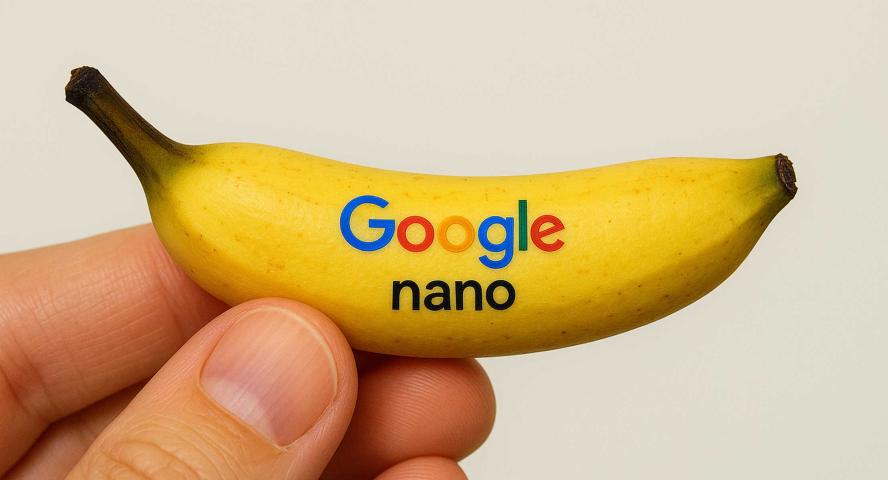
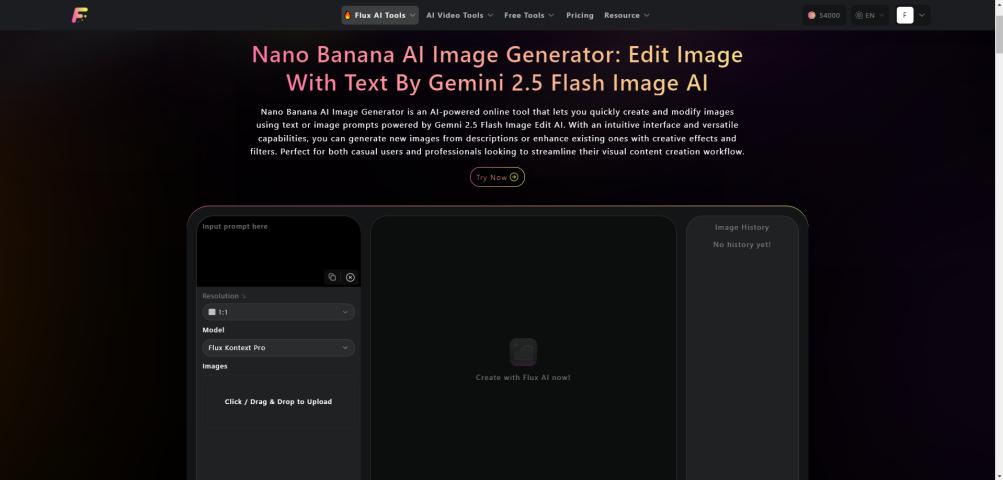
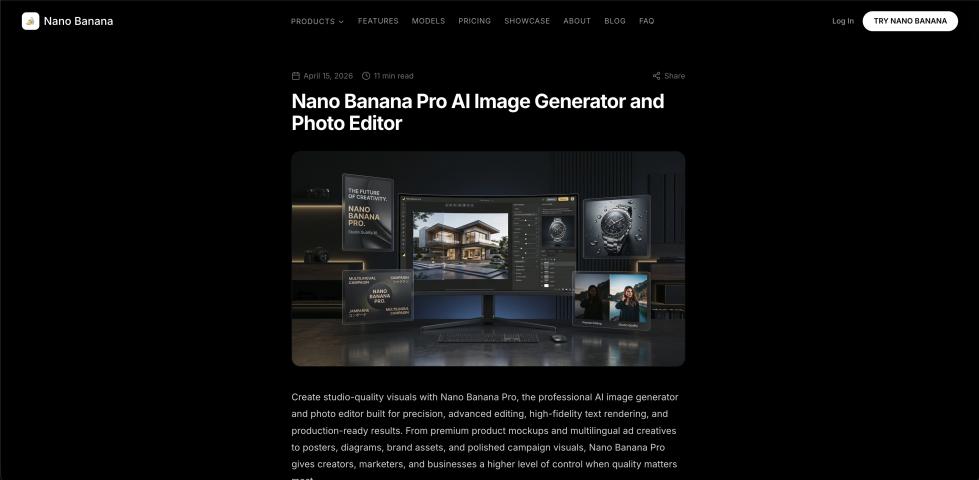
When I first tried Nano Banana, I was honestly surprised. I searched for websites offering access and subscribed to a $49.9 monthly plan.
The workflow changed immediately.
Instead of spending hours editing, I could generate high-quality visuals in minutes. Concept images, stylized scenes, marketing graphics — things that once required layers of manual editing were now produced from prompts.
It felt efficient. Almost freeing.
But life shifted again.
Losing My Job and Starting Over
Not long after, I lost my job during a restructuring. It wasn’t dramatic, just sudden.
I decided not to rush back into another editing role. Instead, I started building my own channels on TikTok and YouTube. If I was starting over, I wanted to build something of my own.
That’s when I ran into a bigger problem.
Nano Banana handled images well. But I needed video.
So I searched again and subscribed to another AI video platform. That plan cost $99 per month.
Now I had two subscriptions.
I began generating images with Nano Banana and turning them into videos using the second platform. It worked. The results were good.
But the videos felt incomplete without proper background music.
So I searched again.
Another AI music generator. Another $99 subscription.
Within a few weeks, I was paying close to $250 every month just to produce content.
The Subscription Fatigue
What bothered me wasn’t just the cost.
It was the fragmentation.
Each platform had its own dashboard. Its own login. Its own billing cycle. Its own usage credits. I was constantly switching tabs, exporting files, re-uploading assets, keeping track of remaining quotas.
And the truth was — I wasn’t fully using any of them.
As an individual creator, I didn’t need enterprise-level quotas. I was paying for capacity that mostly went unused.
One night, looking at my subscriptions, I asked myself a simple question:
Why does creating one video require three different platforms?
Searching for a Better Way
I assumed someone had already solved this.
I searched for an all-in-one AI platform that combined image, video, and music generation under one subscription.
I found many tools, but none that truly integrated top-tier models together in a seamless way. Some focused only on writing. Some focused only on images. Others claimed to be comprehensive but lacked depth.
The experience always felt fragmented.
Eventually, I realized that if I wanted this workflow to exist, I might have to build it myself.
Learning to Build
I’m not a traditional developer.
But AI coding assistants had become powerful. Tools like Cursor lowered the barrier enough that I felt it was possible to try.
At the beginning, everything felt overwhelming. API integrations, authentication systems, payment processing, usage tracking — every piece required patience.
There were many small failures. Broken connections. Errors I didn’t understand. Nights where I questioned whether I should just cancel my subscriptions and move on.
But the idea stayed simple:
One place.
Multiple powerful AI models.
One subscription.
That idea kept me going.
The Birth of NanoMaker AI
Slowly, NanoMaker AI began to take shape.
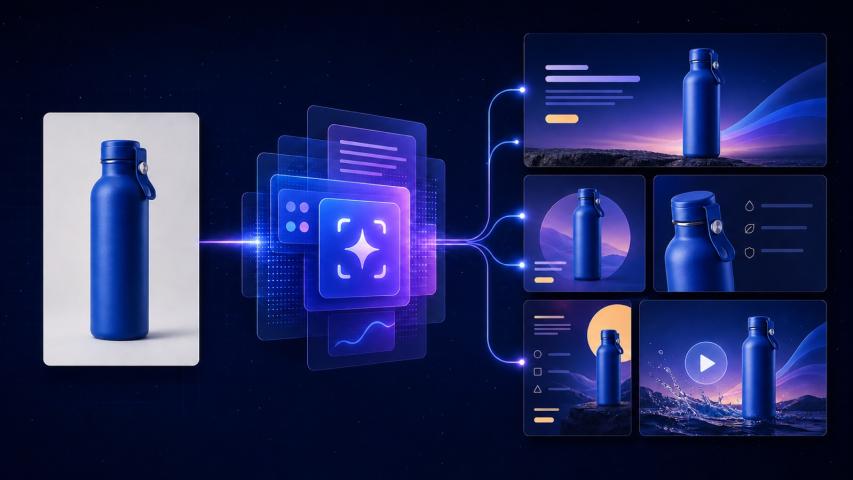
The first version was basic. It wasn’t perfect. But it allowed me to generate images, create videos, and produce music within the same environment.
No switching between three platforms.
No juggling separate subscriptions.
Just a smoother workflow.
For me, that alone was worth building.
A Personal Solution
NanoMaker AI wasn’t born from a grand startup vision.
It came from frustration — from wasted subscriptions, scattered tools, and unnecessary friction.
Sometimes products don’t begin with market research. They begin with a personal problem that refuses to go away.
Losing my job felt like a setback. But it pushed me to question the systems I had accepted as normal.
Now, when I create content, the process feels more coherent.
And when I look at NanoMaker AI, I don’t just see software.
I see a response to a simple question I once asked myself:
Why does this have to be so complicated?