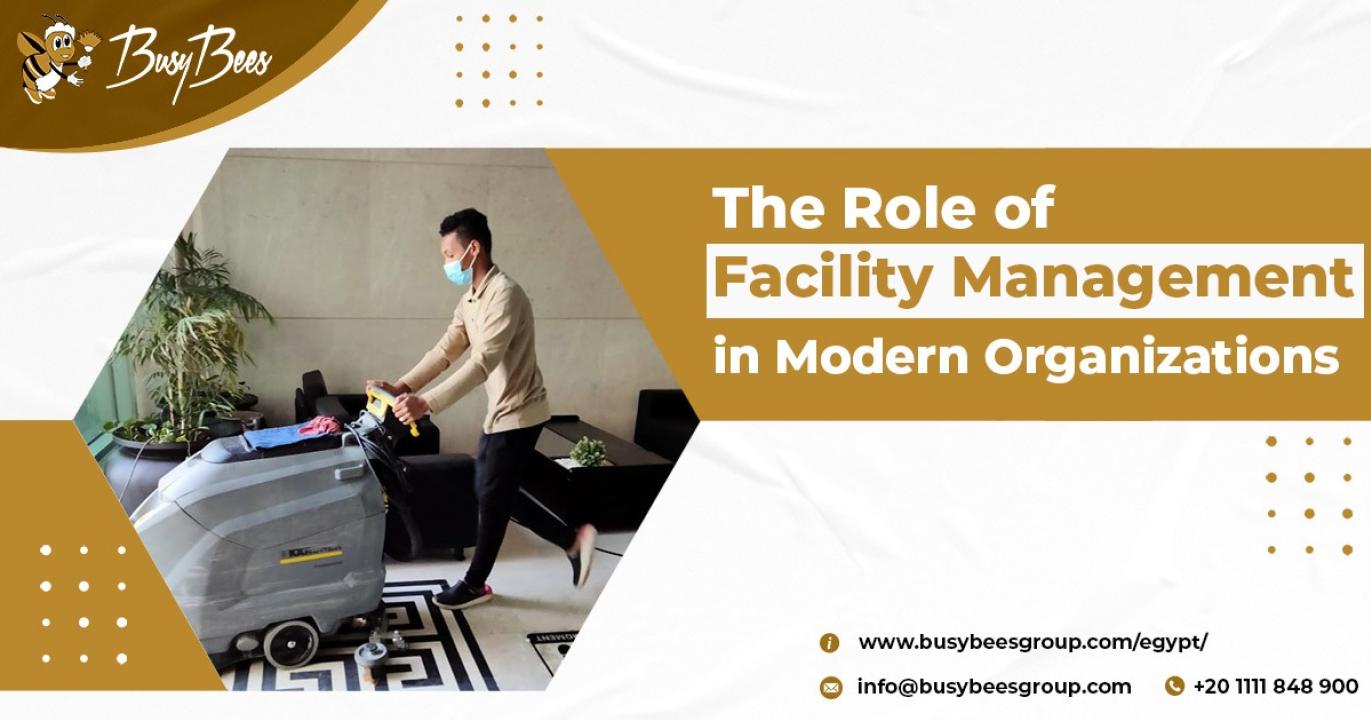
Traditionally, Facility Management (FM) has been viewed strictly as the term for fixing leaky pipes or faulty bulbs, sweeping floors, and ensuring operations remain uninterrupted. However, in modern times, the meaning has completely changed. Modern Facility Management now refers to a professional suite of services that involves much more than just maintaining physical assets; it is about optimizing the experiences and safety of people, place, and process to support the overall organizational success.
This article takes a deep dive into the importance of facility management services in today’s efficiency-driven business landscape.
Beyond Maintenance: Defining the Modern FM Scope
The International Facility Management Association (IFMA) defines FM as a discipline that combines multiple services to ensure the overall functionality, safety, and efficiency of a facility (building). Modern FM providers go beyond traditional services like cleaning and maintenance to offer a comprehensive experience for owners and residents. Their services expand to:
- Helping choose among remote, hybrid, or shared-office models.
- Creating productive and safe environments for the organization's employees.
- Integrating advanced technologies such as IoT, AI, and BIM (Building Information Modeling) to enhance daily operations.
The role and duties of a modern facility management company in Egypt expand far beyond cleaning and maintenance. They are responsible for:
- Maintaining a safe and productive workplace
- Meeting the property’s sustainability and ESG goals
- Integrating and managing advanced tech
- Managing risk and ensuring business continuity
1. Enhancing Employee Experience and Productivity
A clean and well-maintained facility is one of the biggest attractions for potential talent. Modern organizations recognize that the physical condition of their office is an important contributor to employee retention and recruitment.
In addition to maintaining a spotless workplace through routine deep cleaning and disinfection, facility managers leverage biophilic design (incorporating natural light and greenery) and ergonomic features to boost cognitive function. Research shows that proximity to nature and enhanced air quality can increase productivity by up to 10-15%.
With many businesses adopting hybrid work systems, FM services are also responsible for ensuring a seamless transition when employees working from home come to the office.
2. Meeting Sustainability and ESG Goals
Environmental, Social, and Governance (ESG) criteria are no longer a voluntary initiative but a critical requirement for long-term sustainability. Since buildings contribute significantly to global carbon emissions, the Facility Manager is responsible for reducing a property’s carbon footprint.
Modern FM providers leverage Smart Automation Systems to monitor an organization’s energy consumption and prevent wastage in real-time. They can adjust HVAC systems based on peak times or occupancy rather than a constant supply, reducing energy costs by up to 20-30%.
Facility Managers like BusyBees ensure sustainability when procuring or supplying amenities for properties. Their green cleaning protocols help organizations maintain hygiene without compromising the environment.
3. Maintaining Safety and Compliance
Additionally, facility managers (FMs) are responsible for ensuring that organizations comply with the region's health, safety, and legal regulations. This also helps protect employee well-being and minimize interruptions in business operations. By establishing protocols to identify and address safety hazards, FMs prevent accidents, reduce the risk of diseases, avoid legal complications and penalties, and foster an overall secure environment.
Ensuring Regulatory Compliance: Ensure adherence to local laws, protecting the organization from fines and legal action.
Protecting Employee Health: By identifying and handling risks, FMs ensure a safe and productive work environment. They establish advanced air filtration (HEPA/UV-C) and rigorous sanitization protocols to maintain safety.
Business Continuity: Proactive maintenance and emergency handling prevent operational disruptions.
4. Technological Integration & Cost Optimization
Modern FMs make heavy use of technology, including CAFM (Computer-Aided Facility Management), AI and IoT devices, to effectively manage assets, resource allocation, performance, safety and energy consumption. Technology allows managers to monitor, examine, and optimize building management in real time.
Proactive, predictive maintenance through an integration of technology and human vigilance helps prevent unexpected breakdowns or costly repairs while extending the lifespan of the organization’s assets.
The Financial Impact: Expensive or Value for Money?
While setting up a comprehensive facility management system can feel expensive at times, the results more than justify the cost. Facility Management in Modern Organizations is not just about maintaining a clean space, but it also protects people, extends the life of assets and reduces financial and legal liabilities, relieving an organization’s capital expenditure (CAPEX) over time.
Furthermore, a well-maintained facility reduces occupant churn. This reduces the need and cost of frequently searching for new tenants or hiring and training new employees.
Conclusion: The Future of Modern Facility Management
The role of Facility Management in modern organizations has shifted from reactive restoration to proactive prevention. FM services now involve a comprehensive management of commercial and residential facilities through the integration of advanced technology and a focus on compliance, safety and experience.
Organizations are hiring FM not just as a service but as a strategic partner that helps boost operational sustainability, talent retention, and overall operational credibility.