In today’s fast-paced digital era, businesses across banking, healthcare, and retail are constantly under pressure to innovate. Many organizations still rely on outdated legacy systems that slow down operations, limit scalability, and hinder the adoption of modern technologies. Legacy Application Modernization Services have emerged as a critical solution to help organizations transform their old IT systems into agile, secure, and scalable platforms.
This article explores the significance of legacy application modernization, the technologies involved, and its impact on industries like banking, healthcare, and retail.
What Is Legacy Application Modernization?
Legacy Application Modernization Services involve upgrading or transforming outdated software applications to modern technologies without disrupting existing business operations. The process may include:
- Migrating to cloud infrastructure
- Re-architecting monolithic applications into microservices
- Updating programming languages and frameworks
- Implementing modern security protocols
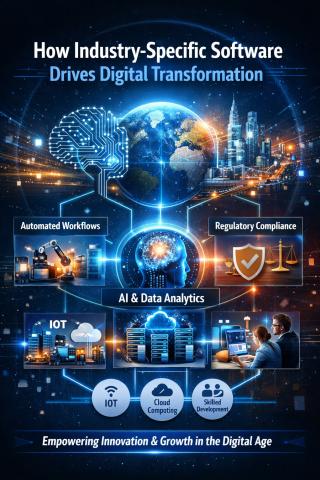
- Integrating AI and analytics capabilities
The goal is to improve performance, reduce maintenance costs, enhance user experience, and support digital transformation initiatives.
Importance in Key Industries
1. Banking
Banking institutions often rely on legacy core banking systems that are decades old. These systems can be rigid, slow, and difficult to integrate with modern fintech solutions. Implementing Legacy Application Modernization Services allows banks to:
Enable real-time transaction processing
Integrate with mobile banking and payment gateways
Improve regulatory compliance
Reduce operational risks and downtime
For example, migrating core banking platforms to cloud-native environments allows banks to scale infrastructure dynamically and adopt modern Legacy Application Modernization Technology, such as microservices and containerization.
2. Healthcare
Healthcare organizations face unique challenges, including patient data security, compliance with HIPAA or GDPR, and the need for seamless interoperability between systems. Legacy systems often struggle to support these requirements.
By leveraging Legacy Application Modernization Services, healthcare providers can:
Implement digital transformation in healthcare initiatives like telemedicine, AI-driven diagnostics, and patient portals
Ensure secure storage and transfer of medical records
Integrate electronic health records (EHRs) with modern apps
Reduce downtime and improve system reliability
For instance, hospitals modernizing outdated EHR systems can streamline patient care processes and improve operational efficiency.
3. Retail
Retail businesses face fast-changing consumer expectations, omnichannel sales demands, and complex inventory management requirements. Legacy retail systems often lack flexibility and real-time data capabilities.
Modernization services help retail businesses:
Integrate point-of-sale (POS) systems with online marketplaces
Implement real-time inventory management and analytics
Improve customer experience with personalized recommendations
Enable seamless mobile and web-based shopping platforms
Retailers adopting Legacy Application Modernization Technology like cloud-based ERP and microservices can respond faster to market trends and reduce system downtime.
Key Technologies in Legacy Application Modernization
Several technologies form the backbone of successful legacy application modernization:
Cloud Computing – Enables scalable infrastructure and cost-efficient resource management.
Microservices Architecture – Breaks monolithic applications into modular components for easier updates and maintenance.
API Integration – Connects legacy systems with modern applications, enhancing interoperability.
AI and Analytics – Provides insights from historical data and supports predictive decision-making.
Containerization (Docker/Kubernetes) – Facilitates consistent deployment and easier scalability.
Using these technologies, organizations can modernize applications without losing critical legacy functionalities.
Benefits of Legacy Application Modernization Services
Implementing modernization services offers significant benefits:
Enhanced Agility: Modern systems are more flexible and adapt quickly to new business requirements.
Reduced Costs: Maintenance of legacy systems is often expensive; modernization lowers long-term IT costs.
Improved Security: Modern applications comply with the latest security standards and reduce vulnerabilities.
Better Customer Experience: Fast, responsive systems enhance user satisfaction in banking, healthcare, and retail.
Support for Digital Transformation: Modernized applications act as a foundation for initiatives like mobile apps, AI solutions, and cloud platforms.
Implementation Challenges
While modernization brings many benefits, organizations may face challenges:
- High initial investment for modernization projects
- Data migration risks and downtime during implementation
- Resistance to change from employees accustomed to legacy systems
- Ensuring compliance and regulatory adherence in highly regulated industries
A strategic approach, including phased modernization and leveraging experienced service providers, can mitigate these risks.
Conclusion
Legacy Application Modernization Services are no longer optional for industries like banking, healthcare, and retail. They are crucial for operational efficiency, improved customer experience, and staying competitive in a digital-first world.
By embracing modern technologies and updating outdated systems, organizations can streamline operations, reduce costs, and drive digital transformation in healthcare or other industry-specific initiatives.
Whether migrating to the cloud, adopting microservices, or integrating AI-driven analytics, modernized applications ensure businesses are future-ready and capable of meeting evolving consumer and market demands.
Investing in Legacy Application Modernization Technology today sets the stage for sustainable growth and long-term digital success across industries.