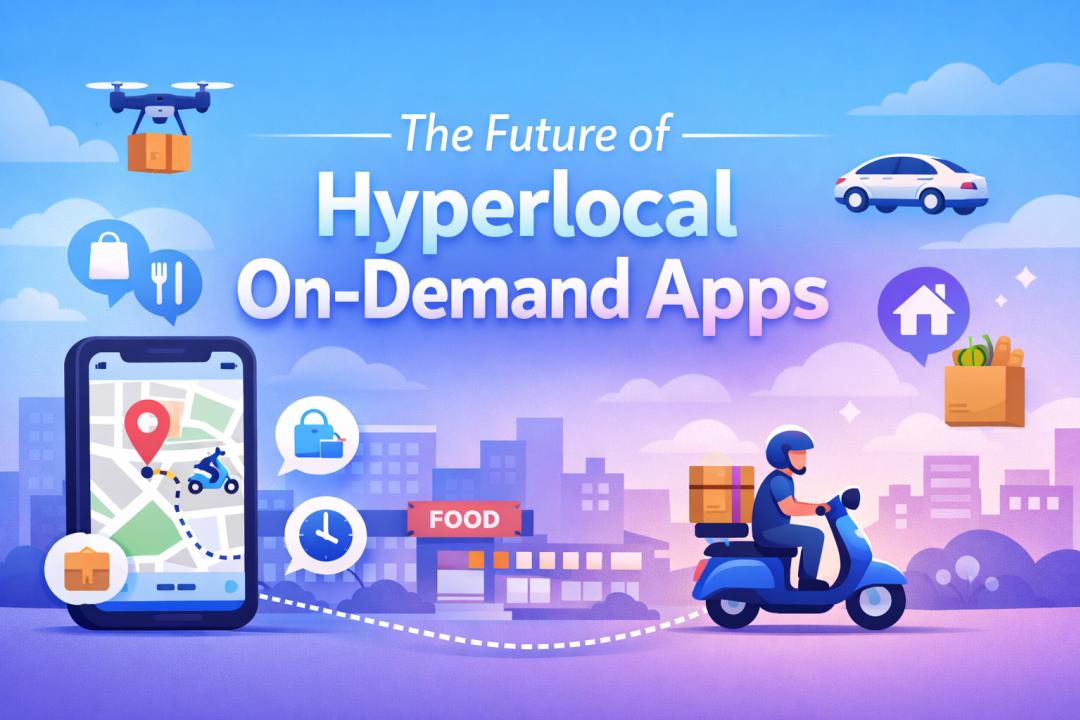
Hyperlocal on-demand apps have transformed how we access everyday services, delivering groceries, rides, or repairs right to our doorstep in minutes. These apps thrive on location-based precision, connecting users with nearby providers faster than traditional models ever could. As urban populations grow and consumer expectations shift toward instant gratification, the future of hyperlocal on-demand apps looks brighter than ever. Fueled by advancements in AI, 5G, and sustainable tech, this sector is poised for explosive growth. Businesses eyeing this space often turn to expert on-demand app development services and mobile app development services to build scalable, user-centric platforms.
What Makes Hyperlocal On-Demand Apps Tick?
At their core, hyperlocal apps leverage geofencing, GPS tracking, and real-time data to serve users within a tight radius—think 5-10 kilometers. Unlike broad e-commerce giants, they prioritize speed and locality. Picture ordering fresh idli from a street vendor in Jaipur or summoning a plumber during monsoon rains; that's the magic.
The global on-demand economy is projected to hit $335 billion by 2025, with hyperlocal services capturing a significant slice, per Statista reports. In India alone, apps like Dunzo, Swiggy Genie, and Blinkit have redefined convenience, handling millions of hyperlocal deliveries daily. This boom stems from post-pandemic habits: 70% of consumers now prefer apps for local services, according to a 2024 PwC survey.
To capitalize, companies rely on specialized on-demand app development services. These services integrate features like dynamic pricing, multi-vendor dashboards, and push notifications, ensuring seamless operations. Similarly, mobile app development services focus on cross-platform compatibility (iOS and Android) using frameworks like Flutter or React Native, reducing costs while maximizing reach.
Key Technological Drivers Shaping the Future
Technology is the backbone of hyperlocal evolution. Here's how emerging tools will redefine these apps:
- AI and Machine Learning: Predictive algorithms will anticipate demand. Imagine an app suggesting "rain-ready umbrellas" before a downpour or optimizing delivery routes to cut emissions by 30%. AI chatbots already handle 80% of customer queries on platforms like Uber Eats.
- 5G and Edge Computing: Ultra-low latency will enable AR previews (e.g., virtually trying furniture before hyperlocal delivery) and drone-based logistics. In dense cities like Mumbai, 5G could slash delivery times to under 10 minutes.
- Blockchain for Trust: Secure payments and transparent vendor ratings via blockchain will combat fraud, especially in cash-heavy markets like India. Smart contracts could automate payouts, boosting vendor retention.
- IoT Integration: Smart fridges restocking via hyperlocal apps or connected vehicles sharing real-time traffic data exemplify IoT's role.
Providers of on-demand app development services are embedding these into custom solutions, often with white-label options for quick launches. Mobile app development services ensure apps are lightweight, handling high-traffic spikes without crashes—critical for peak hours.
Rising Trends in Hyperlocal Services
The future isn't just about food and rides; it's diversifying rapidly.
Niche Verticals Explode
Health and wellness lead the charge. Hyperlocal telemedicine apps connect patients to nearby doctors, with teleconsults surging 300% post-COVID. Fitness-on-demand brings personal trainers to your building, while pet care services offer instant groomers.
Sustainability trends shine too: Zero-waste grocery apps source from local farms, reducing carbon footprints. Electric vehicle (EV) charging stations via apps address urban range anxiety, with hyperlocal networks expanding in Rajasthan's smart cities.
Subscription and Loyalty Models
Expect "hyperlocal subscriptions" like unlimited local deliveries for a flat fee, mirroring Amazon Prime but community-focused. Gamified loyalty—earn points for choosing eco-friendly providers—will drive retention.
Voice and Gesture Commerce
With Alexa and Google Assistant integrations, voice ordering will dominate. Gesture-based UIs on wearables like smartwatches enable hands-free requests, perfect for busy professionals.
These innovations demand robust backends, where on-demand app development services excel by incorporating scalable cloud infrastructure like AWS or Firebase. Mobile app development services prioritize intuitive UX, with 60% of users abandoning apps due to poor design, per Nielsen Norman Group.
Monetization Strategies for the Next Decade
Profitability hinges on smart models:
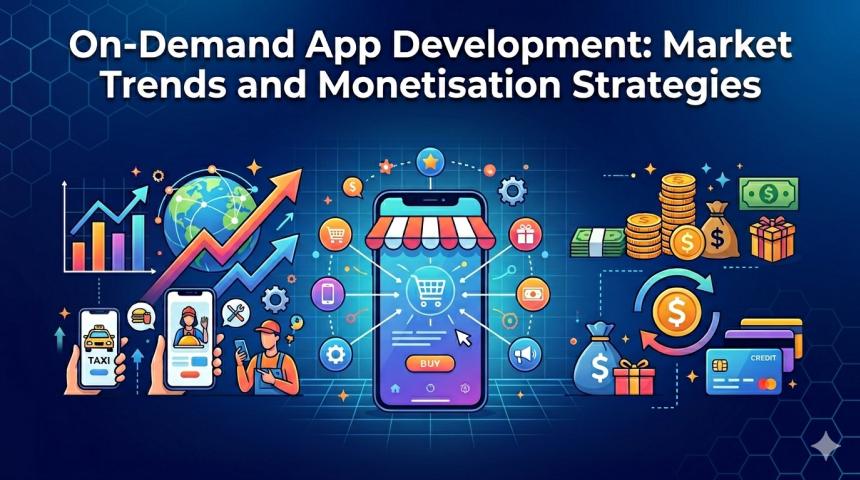
- Commission-Based Revenue: Take 15-25% cuts from transactions—standard for most apps.
- Freemium Upgrades: Basic access free, premium for priority service or ad-free experiences.
- Hyperlocal Advertising: Geo-targeted ads from nearby businesses, like a café promoting flash deals.
- Data Insights Sales: Anonymized trends sold to retailers, e.g., "peak veggie demand on Sundays."
White-label on-demand app development services allow startups to launch monetized platforms fast, often with built-in analytics. Top mobile app development services integrate payment gateways like Razorpay or Stripe, ensuring seamless transactions in diverse markets.
Challenges and How to Overcome Them
No future is hurdle-free. Hyperlocal apps face:
- Regulatory Hurdles: Gig worker laws and data privacy (e.g., India's DPDP Act) demand compliance. Solution: Build in GDPR-like features from day one.
- Last-Mile Logistics: Traffic and weather disrupt deliveries. AI route optimization and micro-warehouses mitigate this.
- Vendor Onboarding: Scaling supply in suburbs is tough. Incentive programs and easy app-based registration help.
Competition intensifies too, with Big Tech entering via acquisitions. Success favors agile players using cutting-edge on-demand app development services for rapid iterations. Mobile app development services with A/B testing tools ensure apps evolve with user feedback.
Case Studies: Success Stories from India and Beyond
India's hyperlocal scene is a goldmine. Blinkit (formerly Grofers) hit 10-minute deliveries using dark stores—tiny urban warehouses. Their pivot to quick commerce yielded 5x growth in 2024.
Internationally, GoPuff's U.S. model inspires with 30-minute stockpiled deliveries, now expanding to Europe. In Jaipur, local apps like Porter revolutionized blue-collar services, connecting loaders with users via hyperlocal matching.
These wins underscore partnering with reliable on-demand app development services for features like real-time tracking. Mobile app development services tailored for regional languages (e.g., Hindi, Rajasthani dialects) boost adoption in tier-2 cities.
Predictions for 2030 and Beyond
By 2030, hyperlocal apps will integrate with smart cities. Autonomous drones and robots handle 40% of deliveries, per McKinsey forecasts. Metaverse tie-ins let users "shop" virtual local markets.
In India, with 1.2 billion smartphone users projected, hyperlocal will penetrate rural areas via affordable 5G. Expect AR/VR for immersive experiences, like previewing home services virtually.
Sustainability mandates will push "green hyperlocal"—apps optimizing for EV fleets and biodegradable packaging. The market could reach $100 billion domestically, driven by SMEs adopting tech.
Conclusion
The future of hyperlocal on-demand apps is a seamless blend of technology, locality, and user empowerment, set to revolutionize daily life in profound ways. From AI-driven predictions to sustainable logistics, these platforms will make "instant" the new normal, especially in dynamic markets like India. Yet, success demands overcoming challenges through innovation and strategic partnerships.
For entrepreneurs and businesses, now is the moment to invest. Leverage top-tier on-demand app development services and mobile app development services to craft apps that not only meet but anticipate needs. Whether launching in Jaipur's bustling streets or scaling nationally, hyperlocal apps promise unmatched ROI. Embrace this evolution—your next big opportunity is just a tap away.