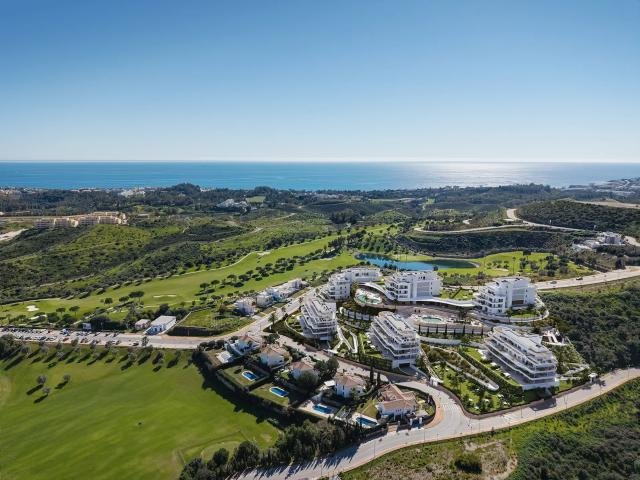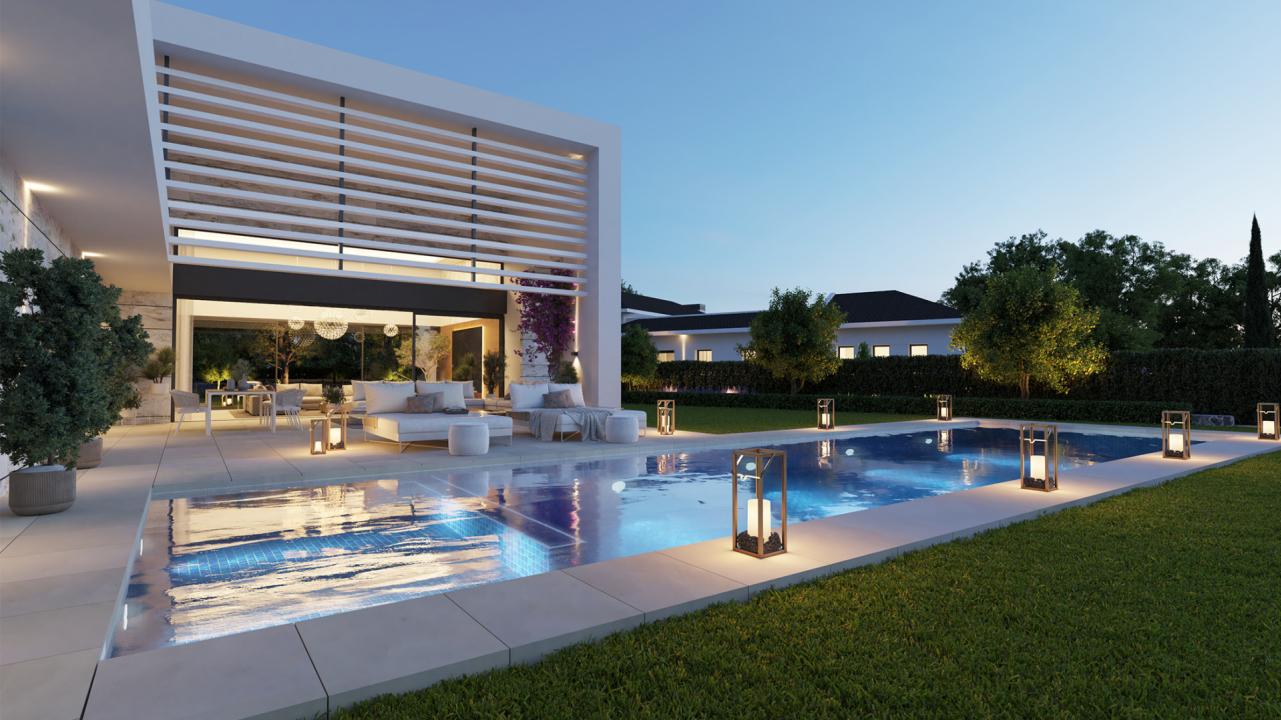
Marbella has seen many market cycles. Yet one segment keeps drawing attention year after year. High-end villas.
Apartments fluctuate in popularity. Townhouses come in waves. But detached villas in prime zones continue to attract global buyers. Privacy, land, and long-term value all play a role.
If you are researching villas available in Marbella, you are looking at one of the most resilient property segments on the Costa del Sol. But not every villa offers the same potential. Location, build quality, and timing matter more than glossy brochures.
This guide explains what serious buyers focus on in today’s market.
Why Villas Hold Long-Term Appeal
Luxury buyers value space. Over the last few years, outdoor living became more important. Buyers want gardens, pools, shaded terraces, and room for family gatherings.
Villas provide something apartments cannot: independence. No shared walls. No lift noise. No reliance on community decisions.
Prime luxury villas in areas like Sierra Blanca, Nueva Andalucía, and the Golden Mile also benefit from limited land supply. There are only so many plots in these locations. That scarcity helps support pricing over time.
Another advantage is flexibility. Villas can serve as full-time homes, seasonal residences, or high-end rental investments. They adapt to changing life stages.
This versatility makes them attractive to international buyers planning long-term.
Micro-Location: The Detail That Changes Everything
Many first-time buyers search online and filter by “Marbella.” That approach is too broad. Marbella has distinct zones, each with its own market dynamic.
Nueva Andalucía is popular with golf lovers and families. Close to schools and sports clubs, it supports steady demand.
Sierra Blanca offers elevation and privacy. Sea views are common. Entry prices are high, but resale stability is strong.
Golden Mile properties command prestige pricing due to proximity to beaches and luxury hotels.
Marbella East provides beach access with slightly lower density and quieter surroundings.
Two villas of similar size can differ dramatically in long-term value depending on street, orientation, and access roads. Walking the neighbourhood matters. Visiting at night matters too.
Small details affect daily living and resale potential.
Construction Quality and Modern Expectations
Buyers in 2026 expect more than marble floors and infinity pools. Energy efficiency now plays a bigger role. Electricity prices in Spain have fluctuated. Homes with solar panels, proper insulation, and modern glazing systems sell faster.
Older villas built in the early 2000s may require upgrades. Plumbing, electrical systems, and insulation standards vary widely.
New-build properties often include:
Smart-home systems
Underfloor heating
Better energy ratings
Modern ventilation
But new does not automatically mean better. Some developments prioritize >
This is where experienced local agencies such as Crinoa often add value. Long-standing teams understand which builders maintain strong reputations and which projects experienced delays or issues.
You can explore current listings and detailed market insights through this website before arranging in-person viewings, which saves time and travel costs.
Seasonal Patterns and Negotiation Strategy
Marbella follows a rhythm. Spring and early autumn attract serious international buyers. Competition increases. Sellers feel confident.
Summer is active but emotional. Buyers sometimes rush decisions after a holiday stay.
Winter can offer calmer negotiation conditions. Fewer viewings occur. Some sellers become more flexible, especially if they want year-end completion.
Prices do not swing dramatically by season. But negotiation tone shifts. Buyers who understand this avoid overpaying in competitive periods.
Patience often creates better outcomes than urgency.
Legal Structure and Financial Planning
Buying a villa in Spain follows clear legal steps. Resale properties are subject to transfer tax. New builds carry VAT plus stamp duty. Notary and land registry fees apply in all cases.
Non-resident buyers generally receive mortgage offers around 60 to 70 percent loan-to-value, depending on profile.
Planning permissions should be verified carefully, especially for older villas. While most issues today stem from historical construction periods, proper due diligence prevents future stress.
Independent legal advice remains strongly advised.
Buyers who skip detailed checks often face problems later. Those who move methodically usually experience smoother transactions.
Investment vs Life>
Some buyers want rental yield. Others want privacy and life>
Luxury villas can generate high rental income during peak season. But maintenance costs are higher than those of apartments. Pools, gardens, and security systems require ongoing care.
Life>
Trying to satisfy both goals without clear planning can lead to compromise.
Thinking five to ten years ahead provides clarity. Will you live there full-time? Rent part of the year? Hold as a long-term asset?
Clear answers guide better decisions.
Why Global Buyers Continue Choosing Marbella
Marbella combines climate, infrastructure, and global reputation. Malaga Airport connects to major European cities daily. International schools and healthcare services are well established.
The buyer profile today is financially stronger than in the pre-2008 years. Speculative flipping is less common. Long-term life>
For investors and families alike, villas in prime Marbella zones continue to represent stability in a coastal European market.
Final Thoughts
Luxury villas in Marbella remain one of the strongest segments of the Costa del Sol property market. But smart buying requires more than emotion.
Study micro-locations carefully. Check building quality thoroughly. Understand seasonal negotiation patterns. Plan legally and financially before making commitments.
When buyers approach the process calmly and informed, Marbella’s villa market can offer both life>