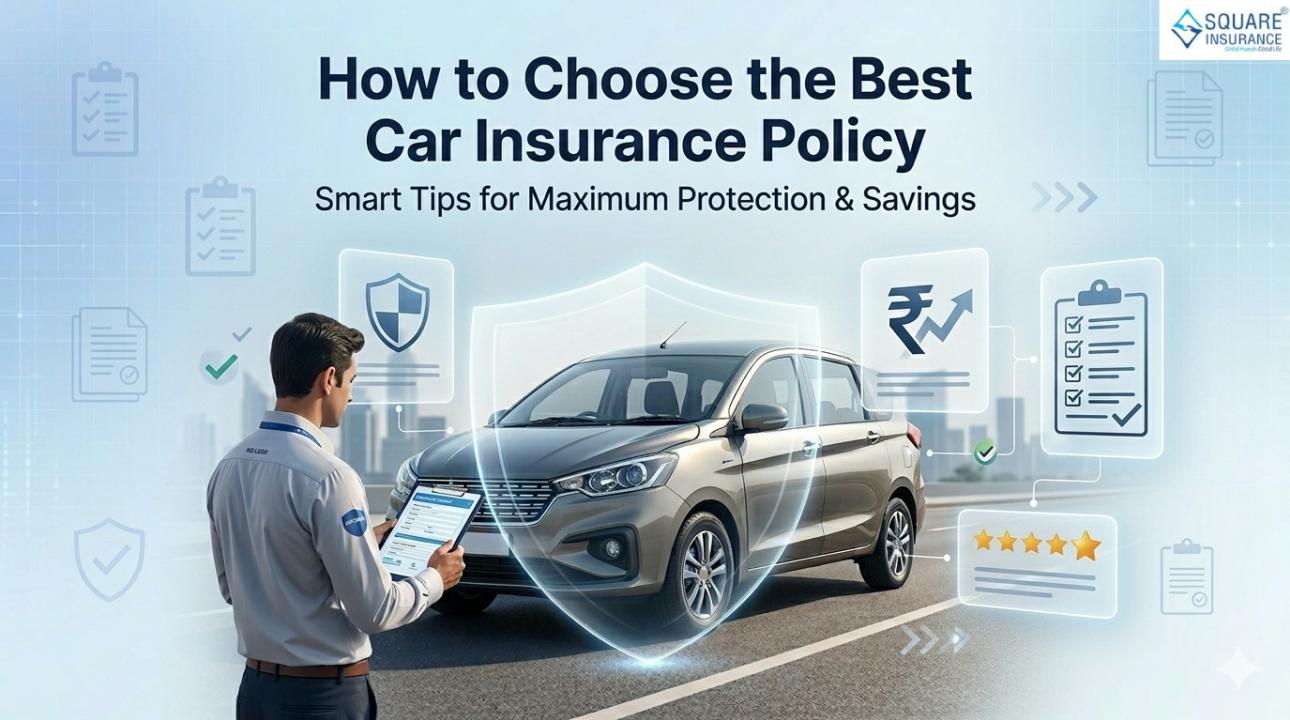
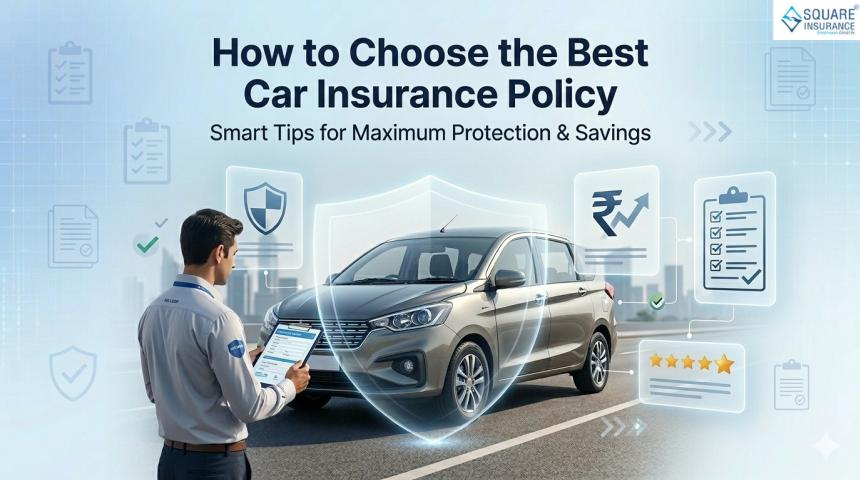
Buying car insurance is not just about fulfilling a legal requirement—it is about protecting your financial stability. With increasing traffic density, rising repair costs, and unpredictable weather conditions in India, selecting the right car insurance policy has become more important than ever.
Many car owners focus only on
finding the lowest premium. However, the best car
insurance policy is the one that balances affordability, coverage,
claim support, and long-term value. This guide explains everything you need to
know to make a smart and confident decision.
Why
Choosing the Right Car Insurance Matters
A car insurance policy acts as a
financial shield against:
- Road accidents
- Natural disasters like floods and storms
- Theft
- Fire damage
- Third-party legal liabilities
An inadequate policy may save money
today but result in heavy out-of-pocket expenses during a claim. Therefore,
informed selection is critical.
Step
1: Understand the Types of Car Insurance
Before choosing a policy, understand
the available options:
1.
Third-Party Insurance
This is mandatory under Indian law.
It covers:
- Injury or death of a third party
- Damage to third-party property
However, it does not cover your own
vehicle’s damage.
2.
Comprehensive Insurance
This is the most recommended option
for car owners. It covers:
- Third-party liabilities
- Own damage due to accidents
- Theft
- Natural calamities
- Fire incidents
Comprehensive coverage ensures
broader protection and peace of mind.
3.
Standalone Own Damage Policy
If you already have third-party
insurance, you can purchase own damage cover separately.
For most car owners, comprehensive
insurance provides the best value.
Step
2: Evaluate Coverage Features, Not Just Premium
While comparing policies, avoid
selecting the cheapest option without checking:
- What risks are covered
- Exclusions in the policy
- Deductibles applicable
- Claim settlement support
- Network garages availability
A slightly higher premium with
better coverage often proves more beneficial in the long run.
Step
3: Check the Insured Declared Value (IDV)
IDV represents the current market
value of your car and determines the maximum claim payout in case of total loss
or theft.
- Higher IDV = Higher premium but better compensation
- Lower IDV = Lower premium but reduced claim payout
Choose a balanced IDV based on your
car’s age and market condition.
Step
4: Consider Useful Add-Ons
Add-ons enhance protection. While
they increase premium slightly, they offer valuable coverage extensions.
Popular
Add-Ons:
Zero Depreciation Cover
Ensures full claim payout without deducting depreciation on replaced parts.
Engine Protection Cover
Important for areas prone to flooding.
Roadside Assistance
Provides emergency support like towing, fuel delivery, and battery jump-start.
Return to Invoice Cover
Pays invoice value in case of total loss or theft.
Choose add-ons based on your driving
habits and city conditions.
Step
5: Check Claim Settlement Process
The real test of a policy is during
a claim. Consider:
- Ease of claim filing
- Digital claim options
- Cashless garage network
- Average claim processing time
A smooth claim process reduces
stress during emergencies.
Step
6: Review No Claim Bonus (NCB) Benefits
No Claim Bonus is a reward for not
making claims during the policy year. It can significantly reduce your renewal
premium.
When switching insurers, ensure your
NCB is transferred correctly. Losing NCB due to procedural oversight can
increase costs.
Step
7: Compare Policies Online
Online comparison platforms allow
you to:
- Check multiple insurers in one place
- Compare premium quotes instantly
- Review coverage details transparently
- Purchase policies without agent commissions
Digital comparison ensures informed
and unbiased decision-making.
Step
8: Assess Customer Support and Assistance
Beyond pricing, evaluate:
- 24/7 customer support availability
- Assistance during claim documentation
- Policy renewal reminders
- Transparency in communication
Reliable support makes a significant
difference during emergencies.
Step
9: Understand Policy Exclusions
Every car insurance policy has
exclusions, such as:
- Driving under influence of alcohol
- Driving without valid license
- Wear and tear
- Mechanical breakdown
Understanding exclusions prevents
claim disputes later.
Step
10: Review Policy Terms Carefully
Before final purchase:
- Double-check vehicle details
- Verify nominee information
- Confirm add-ons selected
- Review deductible amount
- Read terms and conditions
Careful review ensures there are no
surprises during claims.
Common
Mistakes to Avoid
- Choosing lowest premium blindly
- Ignoring add-ons
- Selecting very low IDV
- Not renewing on time
- Failing to disclose previous claims
Avoiding these mistakes protects
both your vehicle and your finances.
How
Smart Buyers Make the Right Decision
Smart buyers follow a structured
approach:
- Understand policy types
- Compare coverage benefits
- Evaluate IDV properly
- Select essential add-ons
- Verify claim support
- Purchase through reliable platforms
This approach ensures balanced
coverage and long-term savings.
The
Importance of Periodic Review
Car insurance needs change over time.
If you:
- Move to a new city
- Install CNG kit
- Add accessories
- Sell or transfer vehicle
You must update your policy
accordingly.
An annual review ensures continued
protection and compliance.
Conclusion
Choosing the best car insurance
policy requires more than comparing premium prices. It involves understanding
coverage types, evaluating add-ons, checking IDV, and reviewing claim
procedures carefully. A well-chosen policy protects your car, your savings, and
your peace of mind.
Square Insurance helps car owners compare multiple policies, understand
coverage options clearly, and select plans tailored to their needs. With the
right guidance and informed decisions, you can secure comprehensive protection
without unnecessary expenses.
Frequently
Asked Questions
1.
Which type of car insurance is best?
Comprehensive car insurance is
generally considered the best option as it covers both third-party liabilities
and own damage.
2.
How can I reduce my car insurance premium?
Maintain a good driving record,
avoid small claims, transfer NCB, and choose suitable add-ons wisely.
3.
What is IDV in car insurance?
IDV stands for Insured Declared
Value and represents your car’s current market value for claim purposes.
4.
Can I change my insurer during renewal?
Yes, you can switch insurers at
renewal while transferring your No Claim Bonus.
5.
Are add-ons necessary?
Add-ons are optional but recommended
based on your driving habits and city risk factors.