In recent years, sustainable living has become an important part of modern life>
Sustainable decor is not just a trend; it is a long-term approach to living more responsibly. It encourages thoughtful consumption and promotes healthier homes while protecting natural resources.
Understanding Sustainable Home Decor
Sustainable home decor involves using materials, products, and design practices that minimize harm to the environment. This includes choosing renewable resources, reducing waste, and selecting items that are durable and ethically produced.
Unlike fast decor trends that change frequently, sustainable design focuses on longevity and quality. Instead of constantly replacing items, homeowners are encouraged to invest in timeless pieces that last for many years. This approach reduces waste and promotes a more mindful relationship with household items.
Another key aspect of sustainable decor is reducing the use of harmful chemicals often found in paints, furniture, and textiles. Eco-friendly alternatives help improve indoor air quality and create a healthier environment for families.
Choosing Eco-Friendly Materials
One of the most important aspects of sustainable home decor is selecting environmentally friendly materials. Natural and renewable materials are often the best choices because they have a lower environmental impact.
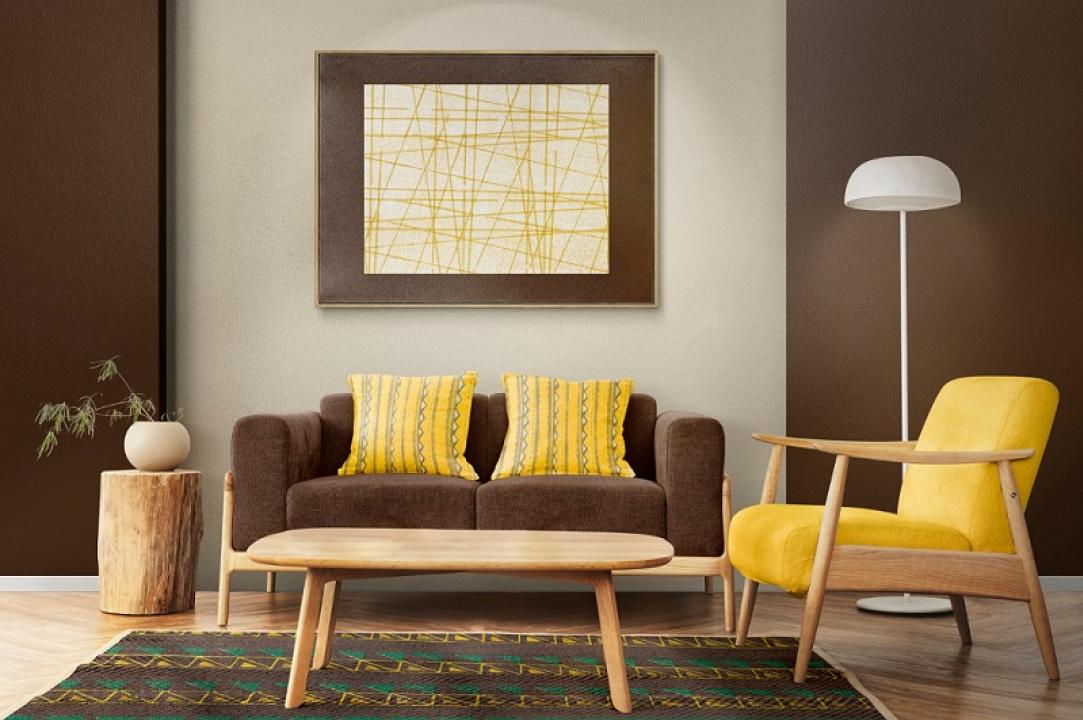
Wood sourced from responsibly managed forests is a popular sustainable material. Furniture made from reclaimed or recycled wood is especially eco-friendly because it prevents valuable resources from going to waste.
Bamboo is another excellent option. It grows quickly and requires fewer resources compared to traditional hardwoods, making it a highly renewable material used in furniture, flooring, and decorative accessories.
Other sustainable materials include cork, jute, linen, organic cotton, and hemp. These materials are biodegradable and require fewer chemicals during production. Using such materials in rugs, cushions, curtains, and upholstery helps create a natural and eco-conscious interior.
Upcycling and Repurposing
Upcycling is one of the most creative ways to practice sustainable home decor. Instead of discarding old furniture or decor items, you can transform them into something new and useful.
For example, an old wooden ladder can be turned into a bookshelf or towel rack. Vintage suitcases can be stacked to create unique storage units. Wooden pallets can be transformed into coffee tables, bed frames, or garden furniture.
Repurposing everyday objects also adds character to your home. Glass jars can be used as vases or storage containers, while old frames can become decorative wall art or photo displays.
Upcycling not only reduces waste but also encourages creativity and individuality in home design.
Energy-Efficient Lighting
Lighting plays a major role in both home decor and energy consumption. Choosing energy-efficient lighting solutions is an essential step toward sustainable living.
LED bulbs are a popular eco-friendly option because they use significantly less electricity than traditional bulbs and last much longer. This reduces both energy consumption and replacement costs.
Natural lighting is another important element of sustainable design. Large windows, light-colored walls, and mirrors can help reflect sunlight and brighten rooms naturally. By maximizing daylight, homeowners can reduce their reliance on artificial lighting during the day.
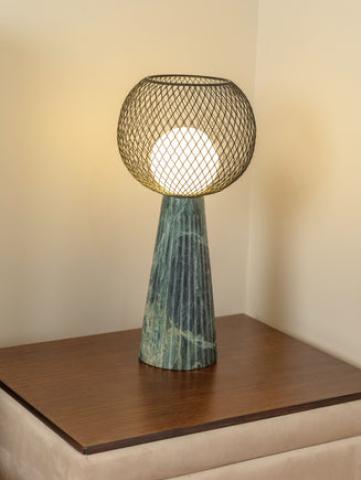
Decorative lighting made from natural materials such as bamboo, rattan, or recycled metal can further enhance a sustainable interior design.
Eco-Friendly Furniture Choices
When selecting furniture for a sustainable home, durability and responsible production should be top priorities. High-quality furniture made from sustainable materials lasts longer and reduces the need for frequent replacements.
Look for furniture made from reclaimed wood, recycled metal, or responsibly sourced timber. Vintage and second-hand furniture are also excellent choices. Buying pre-owned pieces extends the life cycle of furniture and reduces demand for new production.
Minimalist furniture designs are often more sustainable because they focus on functionality and timeless >
Sustainable Textiles and Fabrics
Textiles play a significant role in home decor, from curtains and rugs to cushions and bedding. Choosing eco-friendly fabrics helps reduce environmental impact.
Organic cotton, linen, hemp, and bamboo fabrics are popular sustainable options because they are produced with fewer chemicals and require less water compared to conventional materials.
Natural dyes and handmade textiles are also eco-friendly alternatives. These products often support traditional craftsmanship and small communities, making them both environmentally and socially responsible choices.
Replacing synthetic fabrics with natural alternatives can create a healthier indoor environment and add warmth and texture to your home.
Incorporating Indoor Plants
Indoor plants are a simple yet effective way to enhance sustainable home decor. Plants improve air quality by absorbing toxins and releasing oxygen, making your home healthier and more refreshing.
They also add natural beauty and create a calming atmosphere. Popular indoor plants include snake plants, pothos, peace lilies, and succulents, all of which are easy to maintain.
Decorative plant arrangements can be displayed in eco-friendly planters made from clay, ceramic, recycled materials, or biodegradable containers. Vertical gardens and hanging planters are also great space-saving solutions that bring nature indoors.
Reducing Waste in Home Decor
Reducing waste is a central principle of sustainable living. Instead of buying new decorations frequently, consider rotating existing decor or refreshing items with small changes.
For example, you can repaint old furniture, reupholster cushions, or rearrange decorative pieces to create a new look without purchasing additional items. Seasonal decorations can also be made from natural or reusable materials.
Avoid single-use decorative items and focus on pieces that can be used for many years. Investing in quality products rather than disposable decor reduces environmental impact and saves money over time.
Supporting Ethical and Local Brands
Another important aspect of sustainable home decor is supporting brands that follow ethical and environmentally responsible practices. Many companies now prioritize sustainable production, fair labor conditions, and eco-friendly packaging.
Shopping locally is also beneficial because it reduces transportation emissions and supports local artisans and businesses. Handmade decor items often have a unique charm and craftsmanship that mass-produced products cannot replicate.
By choosing ethical brands and local creators, homeowners contribute to a more responsible and sustainable economy.
Conclusion
Sustainable home decor is about more than just aesthetics—it reflects a commitment to protecting the environment and promoting mindful living. By choosing eco-friendly materials, repurposing old items, using energy-efficient lighting, and supporting ethical brands, homeowners can create beautiful interiors that are both stylish and environmentally responsible.
Small changes in decorating habits can make a significant difference over time. A sustainable home not only benefits the planet but also creates a healthier, more natural living environment for you and your family.
As awareness about environmental responsibility continues to grow, sustainable home decor offers a meaningful way to combine creativity, comfort, and eco-conscious living. By embracing these ideas, you can design a home that is both inspiring and kind to the planet.
You May Also Like
Written by timothystrom56 205 days ago