
The on-demand economy has transformed how people access everyday services. From ride-hailing and food delivery to home maintenance and courier services, users now expect everything to be available instantly through mobile apps. This shift has created significant opportunities for startups aiming to build scalable digital platforms. One of the fastest ways for entrepreneurs to enter this growing market is by leveraging a Gojek Clone. Instead of developing a complex multi-service ecosystem from scratch, startups can use a ready-made technology framework modeled after the widely known super-app concept. This approach helps reduce development time while still enabling innovation and customization.
A Gojek Clone is essentially a technology platform designed to replicate the structure of a multi-service application similar to the original super app model. It allows multiple services such as ride-hailing, delivery, and home services to operate within a single application. By integrating various services into one digital ecosystem, startups can create a powerful on-demand platform that attracts both users and service providers.
This article explores how a Gojek Clone can help startups build a profitable on-demand business. It focuses on the technology infrastructure, business scalability, and digital platform capabilities that make such applications appealing to modern entrepreneurs.
Understanding the Concept of a Gojek Clone
A Gojek Clone is a technology solution designed to replicate the core architecture of a multi-service platform. These platforms allow users to access several services from one app interface, making them highly convenient and efficient.
Instead of downloading multiple applications for different services, users can rely on a single digital ecosystem. For example, a multi-service app like Gojek may offer ride booking, food delivery, courier services, and home maintenance options within the same platform. This integrated approach significantly improves user engagement and retention.
From a development perspective, the Gojek Clone includes multiple components that work together to support the ecosystem. These components typically include user applications, service provider applications, and an admin management panel. Each part communicates through backend servers and APIs to ensure smooth operations.
The modular architecture allows businesses to add or remove services depending on market demand. This flexibility is one of the reasons startups prefer launching a Multi Service App Like Gojek instead of developing individual service apps separately.
The Rise of Multi-Service On-Demand Platforms
The popularity of multi-service applications is driven by changing consumer behavior. Users increasingly prefer convenience, speed, and simplicity when accessing services online.
Traditional on-demand apps usually focus on a single service category. For instance, some platforms specialize only in transportation, while others concentrate on food delivery. However, a Multi Service App Like Gojek combines multiple service categories into one ecosystem, creating a broader value proposition.
This unified approach also benefits service providers. Drivers, delivery partners, and freelancers can access multiple earning opportunities within the same platform. The technology allows service providers to switch between service categories depending on availability and demand.
For startups, this multi-service structure improves revenue diversification. Instead of relying on a single service vertical, the platform can generate income from several streams simultaneously. This makes a Gojek Clone particularly attractive for entrepreneurs entering the on-demand market.
How a Gojek Clone Supports Startup Innovation
Startups often face significant technological and financial challenges when developing complex applications. Building a large-scale platform from the ground up requires extensive resources, time, and engineering expertise.
A Gojek Clone provides a foundational technology framework that startups can build upon. Developers can customize the interface, integrate new features, and adapt the platform to different markets. This allows startups to focus on business strategy and user experience instead of basic infrastructure development.
The modular structure of a Gojek Clone supports rapid experimentation. Startups can launch a platform with a few essential services and gradually expand the ecosystem. This iterative approach helps reduce risk while enabling data-driven growth.
Additionally, startups can test new service categories within the existing platform architecture. For example, they can introduce grocery delivery, pharmacy services, or logistics features depending on local market demand.
Key Technology Components of a Gojek Clone
The technology behind a Gojek Clone typically involves several interconnected systems. These systems work together to create a scalable and reliable on-demand ecosystem.
Mobile Applications
The core user experience of a Gojek Clone is delivered through mobile applications. These apps are usually developed for both Android and iOS platforms to ensure maximum reach.
Users can browse services, place orders, track service providers, and make payments through the app. Service providers use a separate mobile application to accept requests, manage schedules, and communicate with customers.
The user interface is designed to simplify service discovery. Clear navigation and intuitive design are essential for ensuring user satisfaction in a Multi Service App Like Gojek.
Backend Infrastructure
The backend system handles the operational logic of the platform. It manages user data, service requests, payments, and notifications.
Cloud-based infrastructure is commonly used to support scalability. As the number of users grows, the backend servers can expand to handle increased traffic without affecting performance.
Modern Gojek Clone platforms often use microservices architecture. This design allows developers to update individual services without disrupting the entire system.
Admin Management Panel
An admin dashboard is a critical component of a Gojek Clone platform. It allows platform operators to monitor activities, manage users, and oversee transactions.
Through the admin panel, businesses can track service requests, analyze performance metrics, and manage service providers. It also enables administrators to control pricing models, commission rates, and service availability.
This centralized management system ensures that startups can maintain operational efficiency even as the platform grows.
The Role of White-Label Solutions in On-Demand Platforms
A whitelabel gojek clone app is a customizable version of a multi-service platform that businesses can rebrand and modify according to their needs. Instead of creating a new application from scratch, companies can adapt an existing framework to launch their own platform.
The concept of white-label technology has become increasingly common in the on-demand industry. It allows startups to focus on differentiation while still using a proven technology base.
A whitelabel gojek clone app typically includes pre-built service modules and core features. Developers can adjust design elements, integrate local payment systems, and add region-specific services.
This approach significantly reduces development time while still providing flexibility for innovation. Startups can customize the platform to reflect their unique brand identity and target market.
How a Gojek Clone Enables Multiple Revenue Streams
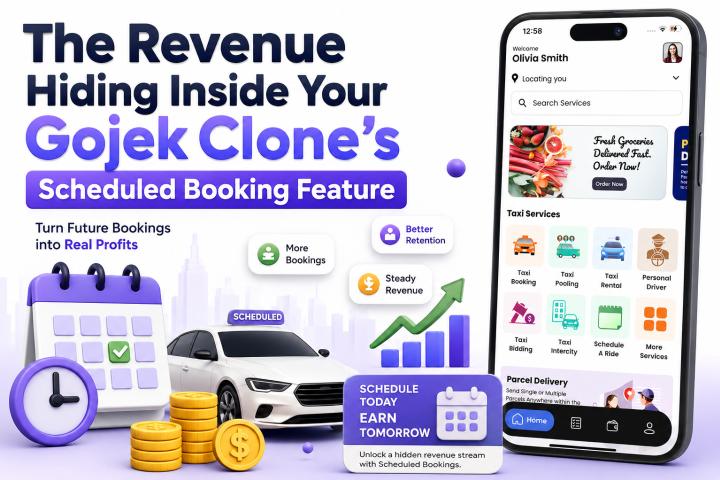
One of the biggest advantages of a Gojek Clone is its ability to support multiple revenue channels. Unlike single-service applications, multi-service platforms generate income from various activities.
For example, platforms may charge service commissions from providers who complete tasks through the app. Delivery fees, booking charges, and surge pricing models can also contribute to platform revenue.
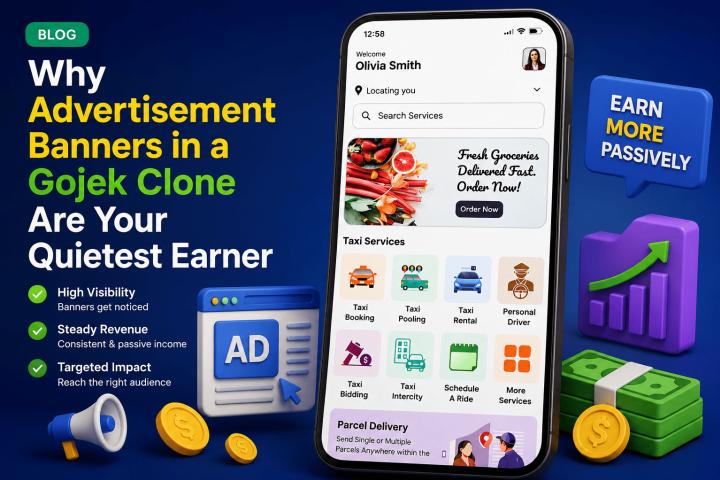
Advertising and promotional placements are additional monetization opportunities. Businesses can feature partner brands within the app to increase visibility and engagement.
Subscription-based models are another possibility. Users may pay for premium services such as priority bookings or discounted delivery fees. These diverse monetization strategies make a Multi Service App Like Gojek financially attractive for startups.
Scalability Advantages for Growing Startups
Scalability is a major concern for any digital platform. Startups need technology that can grow alongside their user base without compromising performance.
A Gojek Clone typically uses scalable cloud infrastructure and modular architecture. These technologies allow the platform to expand easily as demand increases.
For example, additional services can be integrated without redesigning the entire application. Developers can introduce new modules for logistics, grocery delivery, or digital payments.
This scalability ensures that startups can adapt quickly to market changes. It also helps maintain consistent performance even during peak demand periods.
Integration with Emerging Technologies
Modern Gojek Clone platforms can integrate with various emerging technologies that enhance efficiency and user experience.
Artificial intelligence can be used for demand prediction and route optimization. Machine learning algorithms can analyze user behavior to recommend relevant services.
Real-time tracking technology improves transparency in delivery and transportation services. Users can monitor the exact location of service providers through GPS integration.
Secure digital payment systems are also essential for a Multi Service App Like Gojek. Payment gateways and digital wallets ensure fast and reliable transactions within the platform.
Importance of Choosing the Right Development Approach
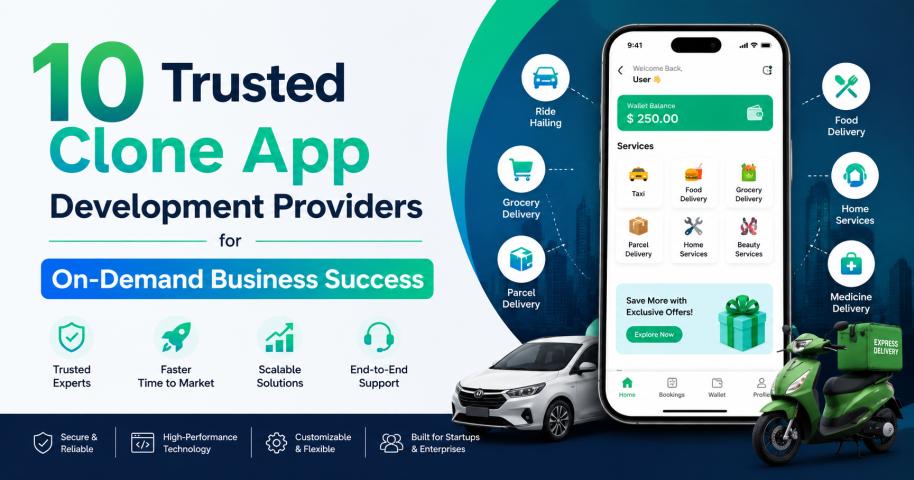
Developing a multi-service platform requires careful planning and technical expertise. Many startups collaborate with an experienced On demand app development company to build and customize their application.
Such companies typically provide expertise in mobile development, backend architecture, and cloud infrastructure. Their role is to ensure that the application meets scalability, security, and performance standards.
Working with a professional On demand app development company can also help startups integrate advanced features such as analytics dashboards, service scheduling systems, and automated notifications.
The development process often involves continuous testing and updates. This ensures that the platform remains stable and adaptable to changing market needs.
Security and Data Protection in On-Demand Apps
Security is a critical factor in any digital platform, especially those handling financial transactions and personal data. A Gojek Clone must include strong security measures to protect users and service providers.
Encryption protocols help safeguard sensitive information such as payment details and user credentials. Secure APIs ensure safe communication between the mobile apps and backend servers.
Authentication mechanisms like multi-factor verification can reduce the risk of unauthorized access. These security layers are essential for building trust within a Multi Service App Like Gojek ecosystem.
Regular software updates and vulnerability assessments also play a vital role in maintaining platform security.
Future Trends in Multi-Service App Development
The evolution of the on-demand industry continues to influence how multi-service platforms are designed. New technologies and user expectations are shaping the future of applications similar to a Gojek Clone.
Super apps are becoming increasingly common in many regions. These platforms combine transportation, delivery, financial services, and entertainment into a single digital ecosystem.
Voice interfaces and conversational AI may also become more integrated into on-demand platforms. These technologies can simplify service requests and improve accessibility.
Another emerging trend is hyperlocal service expansion. Startups may focus on city-specific services and community-based offerings to build stronger user engagement.
Why Startups Consider Gojek Clone Platforms
Startups often look for efficient ways to enter competitive markets. A Gojek Clone provides a technology foundation that reduces development complexity while enabling rapid market entry.
By using a multi-service platform model, startups can address multiple user needs simultaneously. This approach increases platform engagement and encourages long-term user retention.
The flexibility of a whitelabel gojek clone app allows entrepreneurs to customize features and expand services over time. Combined with scalable infrastructure and integrated payment systems, this technology creates a strong foundation for on-demand businesses.
When implemented effectively, a Multi Service App Like Gojek can evolve into a comprehensive digital ecosystem that connects users, service providers, and businesses.
Conclusion
The on-demand economy continues to grow as consumers seek faster and more convenient ways to access services. Multi-service applications have emerged as powerful platforms capable of meeting these expectations within a single digital environment.
A Gojek Clone provides startups with a ready-made technological framework for building such platforms. By integrating multiple services into one application, entrepreneurs can create scalable ecosystems that support diverse revenue streams and long-term growth.
The combination of mobile applications, backend infrastructure, and customizable modules makes a Multi Service App Like Gojek a compelling option for modern startups. With the right technology strategy and development approach, these platforms can transform innovative ideas into profitable on-demand businesses.