
Introduction
Many homeowners want to improve their living environment but prefer to avoid the cost and stress of relocating. Upgrading an existing home can provide greater comfort, better functionality, and improved property value. With careful planning and thoughtful improvements, houses can be transformed into modern and efficient living spaces. In growing residential areas, home renovations adelaide projects are becoming increasingly popular among homeowners looking to enhance their current homes.
Understanding the Benefits of Upgrading an Existing Home
Improving a current home often allows homeowners to enjoy modern living features without the challenges associated with buying a new property. Renovations help transform outdated spaces into more comfortable and practical environments.
In many residential communities, home renovations adelaide projects, including affordable home renovations adelaide for modern living, allow homeowners to modernize interiors, increase usable space, and improve the overall appearance of their homes.
Upgrading an existing house can also improve life>
Enhancing Comfort and Functionality
One of the main reasons people renovate their homes is to improve comfort and usability. Over time, families may require additional space or better layout designs.
Renovations can help achieve these improvements through:
• Creating open living areas that improve movement inside the house
• Adding storage solutions for better organization
• Improving lighting and ventilation within rooms
• Updating old fixtures and fittings
These upgrades allow homeowners to enjoy a more comfortable and practical living environment.
Increasing Property Value
Property improvements can also increase the market value of a home. Renovations that enhance design, efficiency, and structural quality often make properties more attractive to potential buyers.
Some renovation upgrades that may increase value include:
• Kitchen modernization
• Bathroom remodeling
• Interior design upgrades
• Exterior improvements
Such changes not only improve daily living but also strengthen long term investment potential.
Modernizing Interior Spaces
Interior upgrades are one of the most effective ways to transform a home without relocating. Even small changes can significantly improve how a house looks and functions.
Modern renovation strategies focus on creating welcoming and flexible living spaces that meet contemporary life>
Upgrading Kitchen Areas
The kitchen is often considered the heart of a home. Renovating this area can improve both functionality and visual appeal.
Common kitchen improvements include:
• Installing modern cabinets and storage solutions
• Upgrading countertops and surfaces
• Adding energy efficient appliances
• Improving lighting and workspace layout
A well designed kitchen supports everyday activities and family gatherings.
Improving Bathroom Design
Bathrooms are another important area that benefits from renovation. Updating bathrooms can improve comfort while enhancing the overall look of the home.
Popular bathroom upgrades include:
• Installing modern fixtures and fittings
• Improving lighting and ventilation systems
• Replacing outdated tiles and surfaces
• Creating additional storage areas
These improvements create a relaxing and functional environment for daily routines.
Expanding Living Areas Without Moving
Sometimes homeowners feel the need for more space as their families grow or their life>
Through creative planning, builders can redesign layouts to maximize available space.
Creating Open Plan Layouts
Open layouts have become popular in modern homes because they create a sense of spaciousness and improve interaction between family members.
Open plan renovations often involve:
• Removing non structural interior walls
• Combining kitchen, dining, and living areas
• Improving natural light distribution
• Creating flexible multi purpose spaces
This approach helps homes feel larger and more connected.
Adding Multi Functional Rooms
Homes can also be upgraded by converting unused areas into practical spaces.
Examples of useful room conversions include:
• Home office spaces for remote work
• Study areas for children
• Hobby or craft rooms
• Guest bedrooms
Such additions allow homeowners to use their existing property more efficiently.
Improving Energy Efficiency
Energy efficiency has become an important factor in modern home improvement projects. Renovations can help reduce energy consumption while improving indoor comfort.
Energy efficient upgrades benefit both homeowners and the environment.
Upgrading Insulation and Windows
Proper insulation helps maintain indoor temperatures and reduces energy loss.
Common energy efficient improvements include:
• Installing high quality wall and roof insulation
• Replacing old windows with energy efficient designs
• Improving door seals to prevent air leakage
• Using materials that support thermal performance
These changes help homes remain comfortable throughout the year.
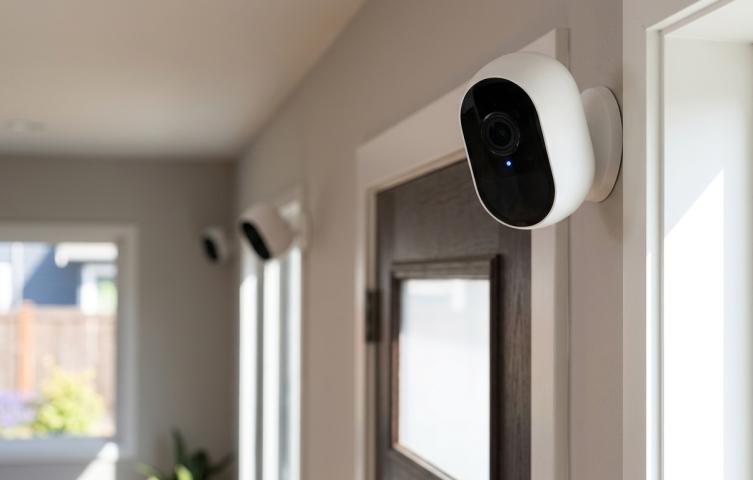
Installing Smart Home Technology
Modern renovation projects often include technology that improves convenience and efficiency.
Examples of smart home features include:
• Automated lighting systems
• Smart temperature control devices
• Security monitoring systems
• Energy management technology
These features make homes more efficient while improving everyday convenience.
Enhancing Outdoor Living Spaces
Upgrading outdoor areas can significantly improve how homeowners enjoy their property. Outdoor renovations create spaces for relaxation, entertainment, and family activities.
These improvements also contribute to the overall appearance of the home.
Developing Outdoor Entertainment Areas
Many homeowners enjoy spending time outdoors, especially when spaces are designed for social activities.
Outdoor renovation ideas include:
• Building patios or decks
• Installing outdoor dining areas
• Creating shaded relaxation spaces
• Adding outdoor lighting features
Such upgrades allow families to enjoy outdoor living without leaving their property.
Improving Landscaping and Garden Design
Landscaping plays an important role in enhancing the visual appeal of a property.
Renovation projects may include:
• Planting decorative trees and plants
• Designing walkways and garden paths
• Installing lawn areas for recreation
• Creating garden seating areas
These improvements help transform outdoor spaces into attractive environments.
Maintaining Structural Integrity During Renovations
While aesthetic upgrades are important, structural integrity should remain a priority during any renovation project. Builders must ensure that improvements do not compromise the stability of the house.
Professional renovation planning helps maintain safety and long term durability.
Conducting Proper Structural Assessments
Before beginning renovation work, it is important to evaluate the existing structure of the home.
Key assessment areas include:
• Foundation stability
• Condition of structural walls
• Roof and ceiling strength
• Electrical and plumbing systems
These evaluations ensure that renovations can proceed safely.
Using Quality Materials and Skilled Labor
The quality of renovation work greatly depends on the materials and craftsmanship used during the project.
Successful renovation projects typically involve:
• Durable building materials
• Skilled construction professionals
• Careful project planning
• Regular inspection of work progress
These practices ensure that improvements remain reliable for many years.
Planning Renovations Carefully
Home improvement projects require thoughtful preparation to achieve the desired results. Proper planning helps avoid unnecessary delays and unexpected costs.
Effective renovation planning includes clear goals and organized project management.
Setting Renovation Priorities
Homeowners should determine which areas of the home require improvement first.
Common renovation priorities may include:
• Updating outdated rooms
• Improving storage and organization
• Enhancing energy efficiency
• Increasing functional living space
Prioritizing these improvements helps manage the renovation process efficiently.
Managing Budget and Timeline
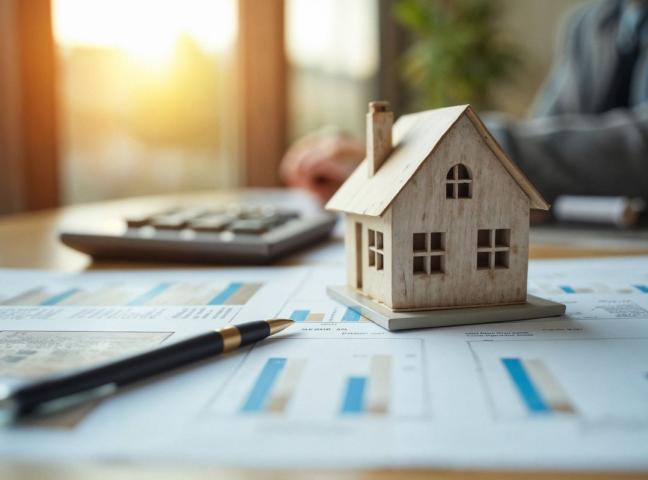
Budget management is an important aspect of renovation planning.
Key financial considerations include:
• Estimating renovation costs in advance
• Allocating funds for unexpected expenses
• Planning realistic project timelines
• Monitoring spending during construction
Careful budgeting ensures that projects remain financially manageable.
Conclusion
Upgrading a home without moving provides homeowners with the opportunity to improve comfort, functionality, and property value while continuing to enjoy their existing community. Renovations allow families to adapt their homes to changing life>
Through thoughtful planning and strategic improvements, living spaces can be transformed into efficient and visually appealing environments. From interior upgrades and energy efficient improvements to outdoor enhancements, renovation projects provide practical solutions for improving residential properties.
When carried out carefully, these upgrades help homeowners enjoy a refreshed living space that supports long term comfort and convenience.
Frequently Asked Questions
Why do many homeowners choose to renovate instead of moving?
Many homeowners renovate because it allows them to improve their living space while avoiding the costs and stress associated with relocating. Renovations can also preserve connections with familiar neighborhoods and communities.
What areas of a home should be renovated first?
High use areas such as kitchens, bathrooms, and living spaces are often renovated first because improvements in these areas significantly impact daily comfort and functionality.
How can renovations improve energy efficiency?
Renovations can improve energy efficiency by upgrading insulation, installing energy efficient windows, and integrating smart home technology that reduces energy consumption.
How long does a typical home renovation take?
The duration of a renovation project depends on the scope of work. Small interior upgrades may take a few weeks, while larger structural renovations may require several months.
Do renovations increase property value?
Yes, well planned renovations often increase property value by improving design, functionality, and energy efficiency, making the home more attractive to potential buyers.