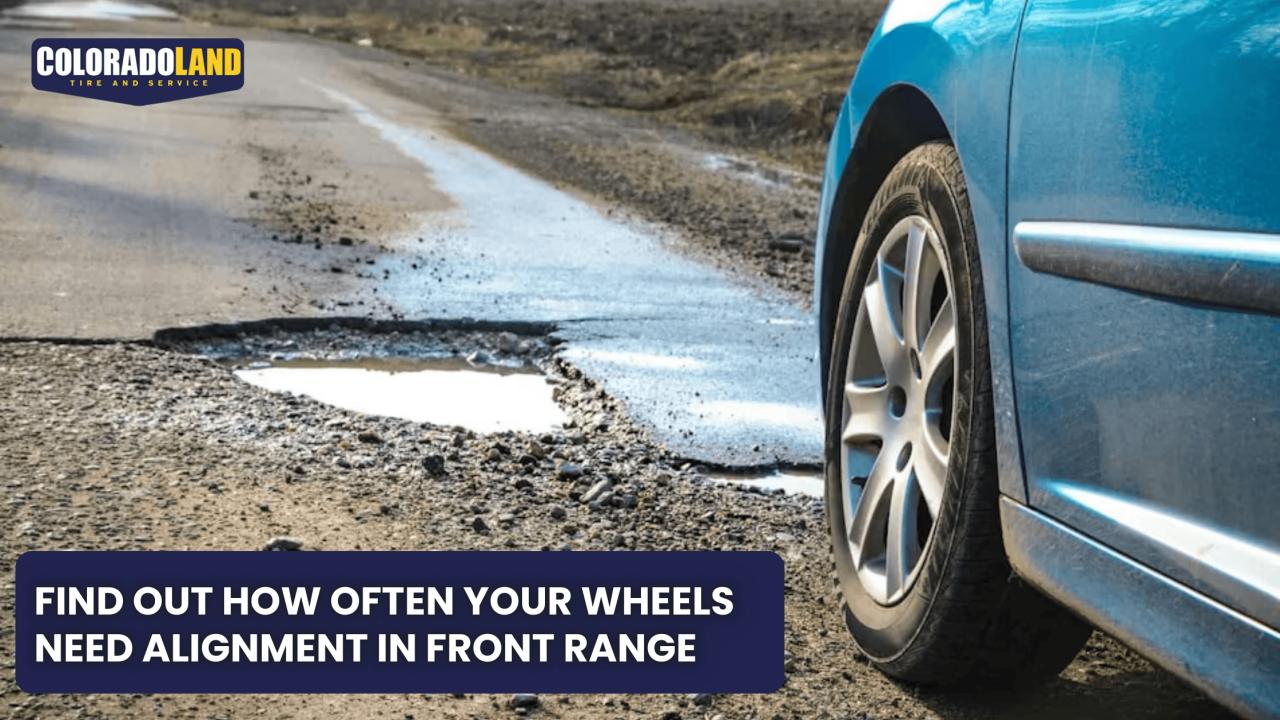
Driving around the Front Range can be beautiful, but it can also be tough on your vehicle. Between winter potholes, steep roads, and ongoing construction in growing communities, local roads can put extra stress on your vehicle's suspension and tires. Because of this, routine maintenance becomes especially important.
Drivers are usually on top of oil changes and tire rotations, but they often forget wheel alignment. But how your vehicle handles absolutely relies on it. You’ll definitely notice the difference when your alignment is off. If you continue to ignore it, you are facing costly new tires and a ride that is simply rough and unpleasant.
That leads to a common question many drivers in the region ask: How often should Front Range drivers get a wheel alignment? Understanding the recommended schedule and the factors that affect alignment can help keep your vehicle running safely and efficiently.
What Is a Wheel Alignment?
Wheel alignment refers to adjusting the angles of your vehicle’s wheels so they meet the road at the correct position. These adjustments ensure that all four wheels are properly aligned with each other and with the vehicle’s suspension system.
During an alignment service, technicians measure and adjust three important angles.
- Camber describes the tilt of the wheel when viewed from the front of the vehicle. If the wheel tilts too far inward or outward, it can cause uneven tire wear along the edges.
- Toe is the direction your tires point slightly in or out instead of straight. They'll wear down way faster and make your ride feel much less stable.
- Caster affects steering balance and stability. It helps the vehicle stay steady while driving straight and improves handling during turns.
When these angles are adjusted properly, the vehicle tracks straight and handles smoothly. Proper alignment also helps tires maintain consistent contact with the road surface.
How Often Front Range Drivers Should Get a Wheel Alignment
In general, automotive experts recommend checking wheel alignment once a year or roughly every 12,000 to 15,000 miles. This schedule helps catch small alignment changes before they begin affecting tire wear or steering performance.
Many drivers also choose to have alignment inspected whenever they install a new set of tires. Starting with properly aligned wheels helps ensure the new tires wear evenly from the beginning.
However, there are situations where alignment should be checked sooner than expected. For example, if you hit a pothole, curb, or large road bump, the sudden impact can shift suspension components slightly. Even a small shift can affect how the vehicle tracks on the road.
Alignment inspections are also recommended after suspension repairs or if the vehicle begins pulling to one side. Catching alignment problems early can prevent more serious tire damage. Because the Front Range region experiences changing weather conditions and road wear in Colorado, many local drivers' driving conditions can make alignment issues more common than in other areas. Several local factors contribute to this, such as freeze–thaw potholes, mountain roads and steep terrain, and construction zones and rough roads, and these tolls on wheel alignment, which make it helpful to check alignment regularly as part of routine tire maintenance.
What Happens During an Alignment Service
During an alignment service, a professional technician places the vehicle on a specialized alignment rack equipped with measuring equipment. Sensors are attached to each wheel to determine the current alignment angles.
The system compares those measurements with the manufacturer’s recommended specifications. If the angles are outside the ideal range, adjustments are made to bring the wheels back into proper alignment.
In many cases, technicians will also check suspension and steering components to ensure they are in good condition. Worn parts can affect alignment and may need attention before adjustments can be completed.
Most wheel alignment services typically take about one hour, depending on the vehicle and any additional inspections required.
Benefits of Regular Wheel Alignment
Maintaining proper wheel alignment offers several important benefits.
- First, it helps prevent uneven tire wear, which can extend the lifespan of your tires. Tires are a significant investment, so protecting them through regular tire maintenance can save money over time
- Proper alignment also improves steering control and vehicle stability, making driving more comfortable and predictable.
- Another benefit is better fuel efficiency. When wheels are aligned correctly, the vehicle rolls smoothly without unnecessary resistance, allowing the engine to work more efficiently.
- Finally, proper alignment contributes to overall driving safety by helping the vehicle respond correctly during steering and braking.
Tips to Maintain Proper Alignment
While some alignment issues are unavoidable, drivers can take steps to reduce unnecessary stress on their vehicle’s suspension.
- Try to avoid potholes and curbs whenever possible, especially during the winter months when road damage is more common. Slowing down when approaching rough or uneven roads can also help protect suspension components.
- Maintaining proper tire pressure is another important step. Underinflated or overinflated tires can affect handling and increase stress on suspension parts.
- Regular tire rotations can also help maintain even tread wear and support proper vehicle balance.
- Avoiding aggressive cornering or overloading the vehicle, which can also affect alignment.
- Additionally, performing alignment inspections at the time of other regular maintenance visits can help catch issues in their earlier, less expensive stages.
Keeping Your Vehicle Ready for Front Range Roads
Driving in the Front Range means that your vehicle is getting a constantly changing palette of driving conditions, whether it’s rough winter pavement or winding mountain passes. Because of this, driving can be hard on suspension and steering components, which is why small changes in wheel alignment can happen over time without drivers noticing right away.
If you notice uneven tire wear, steering that feels off, or your vehicle drifting slightly on straight roads, it may be time to have the alignment maintenance guide. Addressing alignment early protects tires and ensures smooth driving across the Front Range, Colorado roads.