Stem cell therapy has emerged as one of the most promising innovations in modern medicine. By harnessing the body’s natural ability to repair and regenerate damaged tissues, stem cell treatments are helping patients recover from a wide range of medical conditions that were once difficult to treat. From blood disorders to certain cancers and degenerative diseases, stem cell procedures are changing the landscape of healthcare.
Leading medical institutions such as Liv Hospital are actively advancing stem cell therapies, offering patients access to innovative treatments supported by scientific research and specialized medical expertise.
What Are Stem Cells?
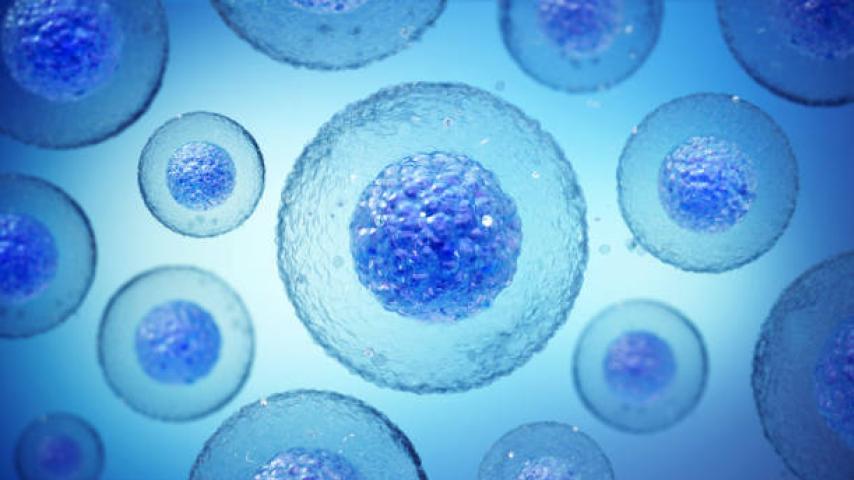
Stem cells are unique cells in the body that have the remarkable ability to develop into many different cell types. Unlike ordinary cells, stem cells can divide and renew themselves over long periods. They also have the potential to transform into specialized cells such as blood cells, nerve cells, or muscle cells.
Because of these abilities, stem cells play a vital role in repairing damaged tissues and maintaining normal body function. Scientists and doctors use these cells in medical treatments to replace diseased or damaged cells in patients.
Types of Stem Cells Used in Treatment
Several types of stem cells are used in modern medical procedures, depending on the condition being treated.
Hematopoietic Stem Cells (HSCs)
These stem cells are responsible for producing blood cells and are commonly used in bone marrow transplants to treat blood-related diseases such as leukemia and lymphoma.Mesenchymal Stem Cells (MSCs)
These cells can develop into bone, cartilage, and fat cells. They are widely studied for their role in regenerative medicine and tissue repair.Embryonic Stem Cells
These cells have the ability to develop into almost any type of cell in the body, making them valuable for research and potential therapeutic applications.Induced Pluripotent Stem Cells (iPSCs)
These are adult cells that scientists reprogram to behave like embryonic stem cells, opening new possibilities for personalized medicine.Conditions Treated with Stem Cell Therapy
Stem cell treatments are used for a variety of medical conditions, particularly those involving damaged or diseased cells. Some of the most common conditions treated with stem cell therapy include:
Leukemia and lymphoma
Bone marrow failure syndromes
Multiple myeloma
Certain autoimmune disorders
Blood disorders such as aplastic anemia
Some neurological and orthopedic conditions
For patients diagnosed with lymphoma, specialized therapies are available through advanced programs like STEM CELL Treatment and Procedures, where medical teams use cutting-edge transplantation techniques to improve patient outcomes.
Stem Cell Treatment Procedures
Stem cell therapy typically involves several carefully managed steps to ensure safety and effectiveness.
1. Patient Evaluation
Before the procedure begins, doctors perform detailed medical evaluations. These include blood tests, imaging studies, and a full review of the patient’s medical history to determine whether stem cell therapy is the right treatment option.
2. Stem Cell Collection
Stem cells can be collected from different sources, including:
Bone marrow
Peripheral blood
Umbilical cord blood
In many cases, the patient’s own stem cells are collected through a process called autologous transplantation. Alternatively, cells from a compatible donor may be used in an allogeneic transplant.
3. Processing and Preparation
After collection, the stem cells are carefully processed in specialized laboratories. This step ensures that the cells are safe, viable, and suitable for transplantation.
4. Conditioning Treatment
Before receiving stem cells, patients may undergo chemotherapy or radiation therapy. This process helps eliminate diseased cells and prepares the body to accept the new stem cells.
5. Stem Cell Transplantation
The stem cells are infused into the patient’s bloodstream through an intravenous line, similar to a blood transfusion. Once inside the body, the cells travel to the bone marrow and begin producing healthy new blood cells.
6. Recovery and Monitoring
Recovery after stem cell transplantation can take weeks or months. During this time, patients are closely monitored to ensure that the new cells successfully engraft and begin functioning normally.
Benefits of Stem Cell Therapy
Stem cell treatments offer several important benefits, including:
The ability to regenerate damaged tissues
Potential treatment for previously incurable diseases
Reduced reliance on long-term medications
Improved quality of life for many patients
Medical advancements continue to expand the range of conditions that can benefit from stem cell therapy, making it one of the most exciting areas of medical research today.
Risks and Considerations
Although stem cell therapy has many advantages, it is still a complex medical procedure. Patients may experience side effects such as infection risk, immune reactions, or complications related to conditioning treatments.
For this reason, it is essential that stem cell therapies are performed in specialized medical centers by experienced professionals who follow strict clinical protocols.
The Future of Stem Cell Medicine
Research in stem cell therapy is progressing rapidly. Scientists are exploring new ways to use these cells to treat heart disease, spinal cord injuries, diabetes, and even certain neurodegenerative disorders.
As clinical studies continue to evolve, stem cell treatments are expected to become more precise, personalized, and widely available in the future.
In addition to medical advancements, maintaining a healthy life> live and feel, which focus on improving everyday health and quality of life.