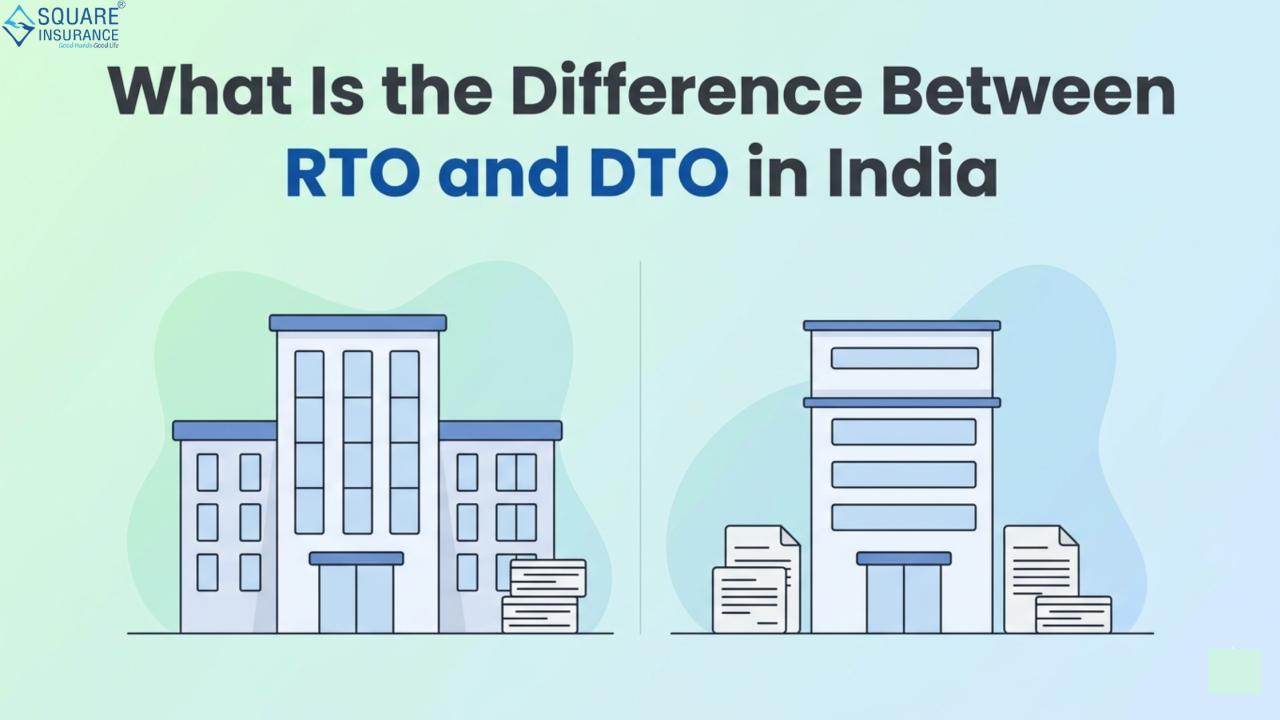
In India’s transport administration system, terms like RTO and DTO are often used interchangeably, creating confusion among vehicle owners and drivers. However, both serve distinct roles within the framework governed by the Ministry of Road Transport and Highways. Understanding the difference between RTO and DTO in India is essential for anyone dealing with vehicle registration, driving licenses, permits, or road tax compliance.
What is RTO in India?
The Regional Transport Office (RTO) is a government authority responsible for implementing the provisions of the Motor Vehicles Act at a regional level. Every state in India has multiple RTO, each covering a specific region or jurisdiction.
RTOs operate under the supervision of the respective State Transport Department and are crucial for maintaining vehicle records, issuing licenses, and enforcing road safety regulations.
Key Functions of RTO
- Issuance of driving licenses (permanent and learner’s license)
- Vehicle registration and re-registration
- Collection of road taxes
- Issuing permits for commercial vehicles
- Conducting vehicle fitness tests
- Enforcing traffic rules and regulations
- Maintaining a centralized database of vehicles
For example, in Rajasthan, different cities have their own RTO offices handling all regional transport-related services.
What is DTO in India?
The District Transport Office (DTO) functions at a district level and often operates under the broader supervision of the RTO or State Transport Authority. DTOs are generally established in districts where the workload is lower or where a full-fledged RTO is not required.
DTOs perform similar functions but on a smaller scale and with limited authority compared to RTOs.
Key Functions of DTO
- Processing driving license applications
- Handling vehicle registration tasks
- Assisting with road tax collection
- Managing basic transport-related services
- Supporting enforcement of transport rules within the district
DTOs act as an accessible point of contact for residents in smaller towns and districts, ensuring that essential services are available without needing to visit a major RTO office.
Difference Between RTO and DTO in India
Understanding the distinction between RTO and DTO is crucial for choosing the correct office for your vehicle-related needs. Here’s a detailed comparison:
1. Level of Authority
- RTO: Operates at a regional level with broader authority and administrative powers.
- DTO: Functions at a district level with limited authority.
2. Scope of Work
- RTO: Handles comprehensive transport-related services, including permits, enforcement, and large-scale registrations.
- DTO: Focuses on basic services like license issuance and small-scale registrations.
3. Jurisdiction
- RTO: Covers a larger geographical region, often including multiple districts.
- DTO: Limited to a single district.
4. Administrative Control
- RTO: Reports directly to the State Transport Department.
- DTO: Works under the supervision of RTO or district-level authorities.
5. Availability of Services
- RTO: Offers full-fledged services including commercial permits and vehicle inspections.
- DTO: May not provide advanced services like interstate permits or heavy vehicle registrations in some cases.
Why Does the Difference Matter?
Knowing whether to approach an RTO or DTO can save time, effort, and unnecessary delays. For instance:
- For commercial vehicle permits or advanced services, visiting an RTO is essential.
- For basic tasks like renewing a driving license, a DTO may be sufficient.
This distinction also ensures better administrative efficiency and decentralization of services, especially in rural and semi-urban areas.
Digital Transformation in Transport Services
With the increasing digitization of government services, many RTO and DTO functions are now available online through platforms managed by the Ministry of Road Transport and Highways. Services such as license applications, vehicle registration status checks, and tax payments can now be completed without physically visiting the office.
This shift has reduced dependency on physical offices and improved transparency in transport-related services across India.
Common Services Offered by Both RTO and DTO
Despite their differences, both offices provide several overlapping services:
- Driving license issuance and renewal
- Vehicle registration and ownership transfer
- Road tax collection
- Duplicate RC and license issuance
- Address change in vehicle records
These shared responsibilities ensure that citizens have access to essential services regardless of their location.
Challenges Faced by RTO and DTO Offices
While both RTOs and DTOs play a vital role, they also face certain challenges:
- High workload in urban RTOs
- Limited infrastructure in DTO offices
- Delays in processing applications
- Need for increased digital awareness
The government continues to address these challenges through digital initiatives and policy improvements.
Frequently Asked Questions (FAQs)
Q1. What is the full form of RTO and DTO?
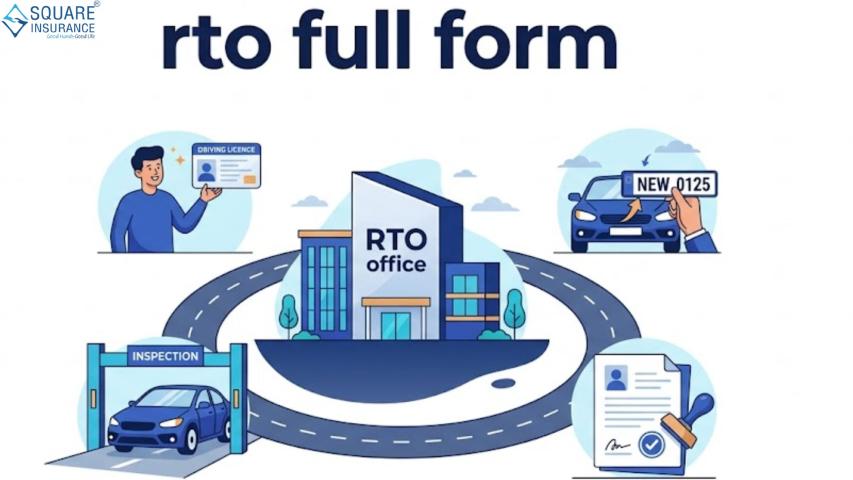
RTO stands for Regional Transport Office, while DTO stands for District Transport Office.
Q2. Is DTO the same as RTO?
No, DTO is not the same as RTO. DTO operates at a district level with limited authority, whereas RTO has broader regional control.
Q3. Can I register my vehicle at a DTO?
Yes, in many cases, DTOs handle vehicle registration, but for advanced or commercial registrations, you may need to visit an RTO.
Q4. Which office issues a driving license?
Both RTO and DTO can issue driving licenses depending on the location and administrative setup.
Q5. How do I know whether to visit RTO or DTO?
For basic services, DTO is sufficient. For complex tasks like permits or heavy vehicle registration, RTO is the appropriate authority.
Conclusion
Understanding the difference between RTO and DTO in India helps streamline your vehicle-related processes and ensures you approach the right authority for your needs. While RTOs provide comprehensive services across larger regions, DTOs make essential services more accessible at the district level. Together, they form a well-structured system that supports efficient transport management in India.
For hassle-free insurance comparison, purchase, and policy management, Square Insurance serves as a reliable platform to simplify your journey and keep your vehicle protected at all times.
Please Note: Manage your policies easily with Square Insurance POS Apps on Google Play, accessible online anytime, anywhere.