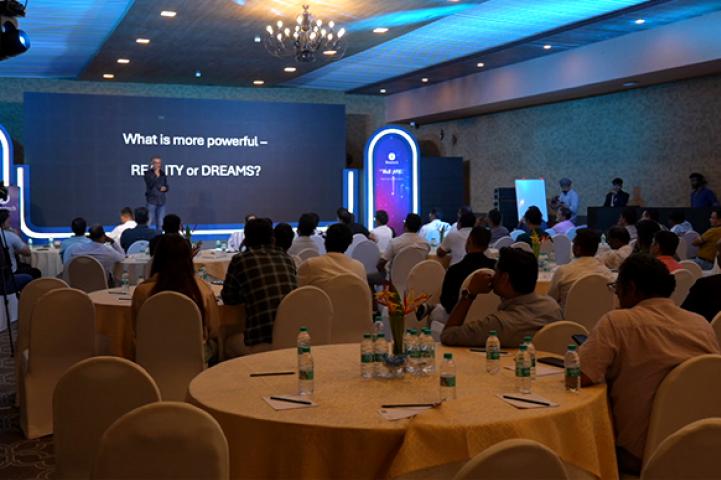
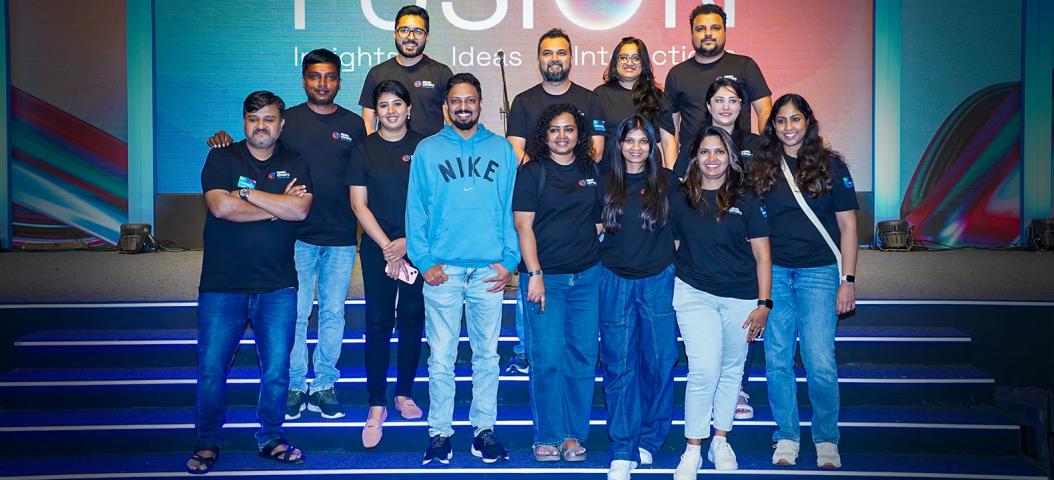
In today's competitive business landscape, hosting an exceptional corporate event is no longer just an option—it’s a strategic necessity. Whether it’s team-building exercises, product launches, annual meetings, or client appreciation events, the impact of a well-executed corporate event can resonate long after the last attendee leaves. This is where professional corporate events companies come into play, ensuring that your business gatherings are not just memorable, but meaningful.
Why Choosing the Right Corporate Events Companies Matters
The success of any corporate event largely depends on the expertise of the organizing team. While in-house planning might seem cost-effective, it often falls short in delivering a polished and impactful experience. Top corporate events companies bring years of experience, creative vision, and logistical precision to the table. They understand the nuances of corporate culture, audience expectations, and brand positioning, allowing your event to reflect your company’s identity seamlessly.
Professional event planners also have access to exclusive venues, trusted vendors, and cutting-edge technology. Their network enables smoother coordination, ensuring that every aspect—from catering and décor to audio-visual setups and transportation—is handled efficiently. This level of professionalism guarantees a stress-free experience for both hosts and attendees, allowing you to focus on networking and relationship-building rather than logistics.
Key Services Offered by Corporate Events Companies
Event Conceptualization and Strategy
Leading corporate events planning companies excel in developing a theme and strategy tailored to your business objectives. They assess your target audience, brand image, and event goals to create a concept that resonates with attendees and reinforces your company’s message.
Venue Selection and Logistics
Finding the perfect venue is crucial for a successful corporate event. Experienced planners not only suggest ideal locations but also handle all logistical arrangements, including seating, accessibility, and compliance with safety regulations.
Vendor Coordination
From catering and entertainment to photography and décor, corporate events involve multiple vendors. Professional companies streamline this process, ensuring that all parties work in harmony, keeping timelines and budgets in check.
Technology Integration
Modern corporate events increasingly rely on technology—live streaming, virtual participation, interactive apps,
and real-time analytics. Reputable corporate events companies incorporate these tools seamlessly, enhancing attendee engagement and post-event insights.
Post-Event Analysis
The value of an event extends beyond its duration. Leading planners provide detailed feedback and analytics, helping you measure ROI, attendee satisfaction, and areas for improvement, ensuring continuous growth in your corporate event strategy.
Corporate Event Planning Tips to Ensure Success
Even if you hire professional planners, understanding essential corporate event planning tips can enhance collaboration and outcomes.
Define Clear Objectives
Before planning begins, identify what you want to achieve. Whether it’s strengthening team cohesion, promoting a new product, or building client relationships, clear goals guide every decision.
Budget Wisely
Establish a realistic budget early, factoring in venue, catering, technology, and contingency costs. This ensures no compromises on quality and avoids unexpected expenses.
Choose the Right Venue
Select a venue that aligns with your event objectives. Accessibility, capacity, amenities, and ambiance all play a role in attendee satisfaction.
Focus on Attendee Experience
Successful events prioritize guest experience. Personalized touches, interactive sessions, and seamless logistics leave a lasting impression.
Communicate Effectively
Clear communication with your team, vendors, and attendees is essential. Use multiple channels to share event details, updates, and expectations.
Plan for Contingencies
Unforeseen issues like weather changes or technical glitches can disrupt events. Professional planners always have backup plans, ensuring smooth execution under any circumstances.
Leverage Technology
From registration apps to virtual networking platforms, technology enhances engagement and efficiency. It also provides valuable insights for future events.
Evaluate and ImprovePost-event evaluations help identify strengths and areas for improvement. Surveys, analytics, and team feedback ensure each subsequent event surpasses the last.
Trends Shaping Corporate Events Today
Corporate events are evolving rapidly. Here are some trends that corporate events companies are leveraging to deliver impactful experiences:
Hybrid Events: Combining in-person and virtual participation allows wider reach and flexibility.
Sustainability: Eco-friendly events with minimal waste are becoming a priority for many businesses.
Experiential Elements: Interactive workshops, immersive experiences, and gamification keep attendees engaged.
Data-Driven Insights: Analytics tools help planners understand attendee behavior and tailor future events accordingly.
Health and Safety Protocols: Post-pandemic, hygiene and safety measures remain crucial in event planning.
By partnering with expert planners who understand these trends, businesses can deliver events that not only impress but also provide measurable value.
How to Choose the Best Corporate Events Company
Selecting the right corporate events planning company is crucial for achieving your event goals. Here’s a guide to help you make the right choice:
Experience and Portfolio
Review the company’s previous events to assess their expertise and creativity. Look for diversity in event types and industries served.
Client Testimonials
Genuine feedback from previous clients can reveal reliability, professionalism, and results.
Customized Solution
Avoid one-size-fits-all approaches. The best companies tailor their services to your objectives, audience, and brand image.
Transparent Pricing
Ensure the company provides detailed estimates, including potential additional costs. Transparency prevents surprises and builds trust.
Strong Vendor Network
A well-connected company can source the best vendors, negotiate better rates, and ensure seamless coordination.
-
Communication Skills
Effective communication is key. Your planner should be proactive, responsive, and collaborative throughout the process.
By keeping these factors in mind, you can partner with a company that turns your vision into a flawless reality.
Conclusion
Corporate events are more than gatherings—they’re strategic opportunities to showcase your brand, foster relationships, and create lasting impressions. By collaborating with professional corporate events companies, you can ensure every detail, from planning to execution, is handled with precision and creativity. Whether you are planning a large-scale conference or an intimate client meeting, following proven corporate event planning tips and leveraging expert insights can make all the difference. For businesses looking to elevate their corporate events, SKIL Events offers unparalleled expertise, innovative solutions, and a commitment to making every event memorable.
FAQs
1. What services do corporate events companies provide?
Corporate events companies offer end-to-end services including event strategy, venue selection, vendor management, technology integration, and post-event analysis.
2. How can I choose the best corporate events planning company?
Look for experience, client testimonials, customized solutions, transparent pricing, a strong vendor network, and excellent communication skills.
3. Why is hiring a corporate events company better than in-house planning?
Professional planners bring expertise, creative vision, and logistical efficiency, ensuring a high-quality, stress-free event that aligns with your business objectives.
4. What are some tips for successful corporate event planning?
Define clear objectives, budget wisely, focus on attendee experience, communicate effectively, plan for contingencies, and leverage technology.
5. What trends are shaping corporate events today?
Current trends include hybrid events, sustainability, experiential elements, data-driven insights, and enhanced health and safety protocols.