As a child care provider, enhancing the learning experience is always a priority. Preschool enrichment programs offer an effective way to go beyond the standard curriculum, helping children explore new interests, develop skills, and stay engaged. This guide addresses key questions about implementing these valuable programs.
What Are Preschool Enrichment Programs?
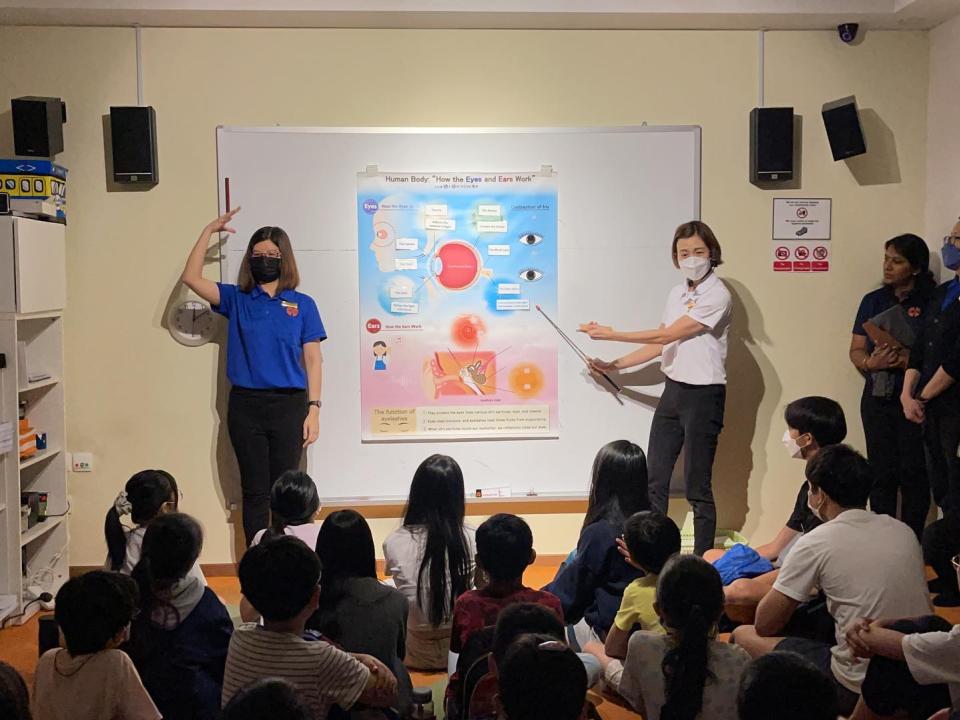
Preschool enrichment programs are structured activities designed to complement the core curriculum. They introduce children to new subjects and skills that may not be part of daily classroom learning.
These programs are typically:
- Focused and specialized: Activities center on a specific theme such as coding, yoga, music, or language learning, allowing deeper exploration.
- Supplementary: They enhance, rather than replace, foundational early childhood education.
- Hands-on and experiential: Children learn through active participation, which supports better understanding and retention.
Why Offer Enrichment Programs?
Adding enrichment classes for preschoolers provides benefits for children, families, and your center
- Supports holistic development: Activities help improve cognitive, social, emotional, and physical skills.
- Improves parent satisfaction: Families value the convenience of having additional learning opportunities in one place.
- Boosts enrollment appeal: Unique offerings help your center stand out in a competitive market.
Popular Enrichment Program Ideas
You can tailor programs based on your resources and the interests of children and families.
1. Arts and Culture
Visual arts (painting, clay, crafts)
Music and movement sessions
Drama and storytelling activities
2. STEM and Logic
Beginner coding with screen-free tools
Simple science experiments
Building and construction activities
3. Health and Wellness
Yoga and mindfulness
Healthy cooking classes
Basic sports and movement programs
How to Implement Enrichment Programs Successfully
A structured approach ensures long-term success.
1. Start small: Launch a short-term pilot program (e.g., 4–6 weeks) to test interest and gather feedback.
2. Choose the right staffing model: Work with trained staff, external experts, or local specialists.
3. Communicate clearly with parents: Share program benefits, schedules, and costs through newsletters and meetings.
Measuring Program Success
Evaluating outcomes helps improve and sustain your programs.
1. Collect feedback: Gather input from parents, staff, and instructors.
2. Observe engagement: Children’s enthusiasm and participation are strong indicators of success.
3. Document progress: Use photos, notes, and updates to track development and share with families.
Related Blog: Why Do Some Children Learn Faster? The Secret Behind Right Brain Training for Toddlers
Streamlining Program Management
Managing enrichment programs efficiently is essential for growth and organization. Digital tools can simplify enrollment, scheduling, and communication with families.
Modern systems allow you to:
- Create and manage multiple programs and events
- Offer flexible scheduling across different classrooms
- Track availability and participation
- Handle registrations and waitlists without paperwork
These tools reduce administrative workload and make it easier for families to enroll children in multiple programs.
Final Thoughts
Preschool enrichment programs are more than an extra feature—they are a valuable part of early childhood education. By offering diverse activities, you can support children’s overall development, strengthen family relationships, and position your center as a leader in quality education.
FAQs
1. What are preschool enrichment programs?
Preschool enrichment programs are extra learning activities that go beyond the basic curriculum to build new skills in a fun, engaging way.
2. Why are enrichment classes for preschoolers important?
They support overall development by improving creativity, social skills, problem-solving, and physical coordination.
3. How can I start enrichment classes for preschoolers?
Begin with a small pilot program, choose suitable activities, and gather feedback from parents and staff for improvement.