Most people don’t really think about printing… until they actually need it.
It could be something small like visiting cards, or something bigger like product packaging. But once you start looking into it, you realize there are quite a few printing methods—and choosing the wrong one can quietly affect both quality and cost.
At Tagsen, we’ve worked with different kinds of printing requirements over time. One thing that stands out is this: there’s no single method that works for everything. What works well for a small batch might not make sense at all for bulk production.
Instead of making things too hard to understand, let's quickly go over the main printing methods and explain what they are, where they are used, and when they make sense.
What Are Printing Techniques and Types of Printing Methods?
In simple terms, printing techniques are just different ways of putting designs or text onto a surface.
That surface could be metal, glass, cloth, paper, or plastic.
The choice usually comes down to a few practical things:
- How many pieces you need
- What material you're using
- How detailed the print should be
- How fast you need it done
- And your budget
Digital printing is usually fine if you only need a small batch and need it fast. On the other hand, offset printing often ends up being cheaper over time if more are printed.
Quick Takeaways
- Printing is used across packaging, textiles, and marketing
- Some methods are better for bulk, others for smaller jobs
- Choosing the right technique can save both time and money
- There’s no single “best” option—it depends on your needs
15 Types of Printing Techniques
1. Offset Printing
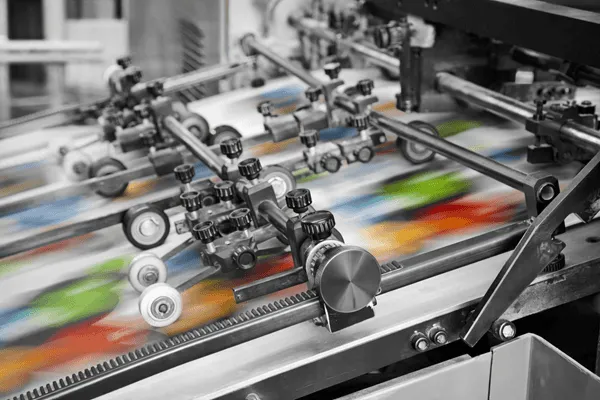
Offset printing has been around for years and is still widely used for large-scale jobs.
It transfers ink from a plate to a rubber layer and then onto paper.
Best for: Magazines, brochures, newspapers
Why people use it: Consistent quality in bulk
Limitation: Not ideal for small quantities
2. Digital Printing
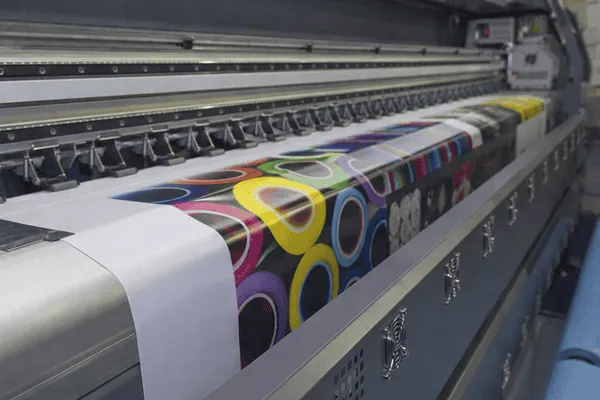
Digital printing is straightforward—you send the file, and it prints directly.
Best for:Business cards, flyers, posters
Why it works: Fast and flexible
At Tagsen, this is usually what we suggest when someone needs quick printing or smaller quantities without going through a long setup.
3. Screen Printing
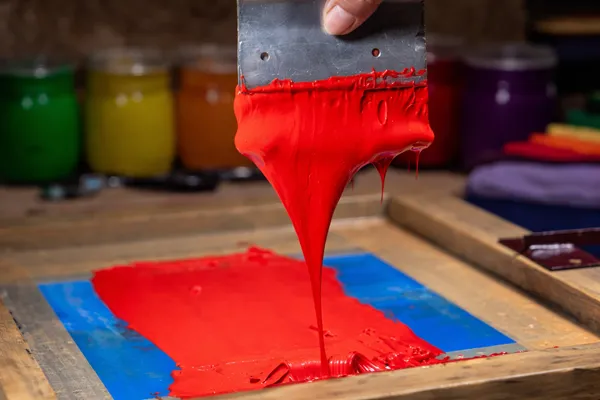
Ink is pushed through a mesh screen to create the design.
Best for:T-shirts, fabric printing
What stands out: Bold colors and durable prints
4. Flexographic Printing
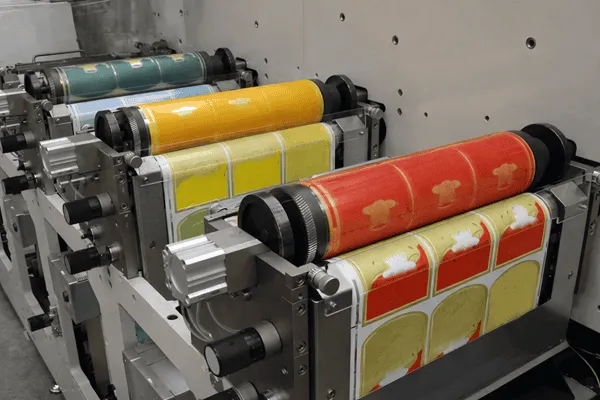
This method is mostly used for packaging and labels. It runs fast and handles large volumes well.
Best for:Labels, packaging materials
From our experience at Tagsen, switching to flexographic printing for bulk packaging has helped clients reduce costs while keeping output consistent.
5. Gravure Printing
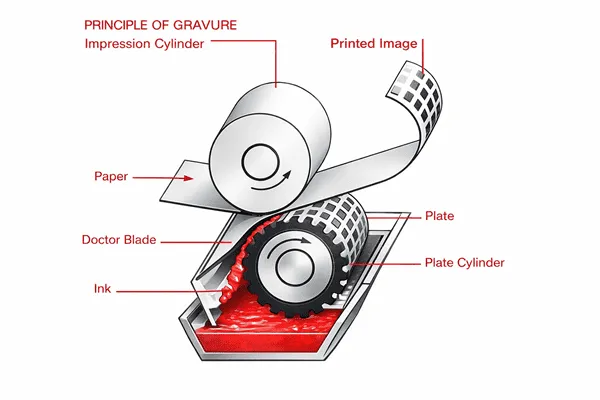
Uses engraved cylinders to produce detailed prints.
Best for: Packaging, magazines
Strength: High-quality image detail
6. Letterpress Printing
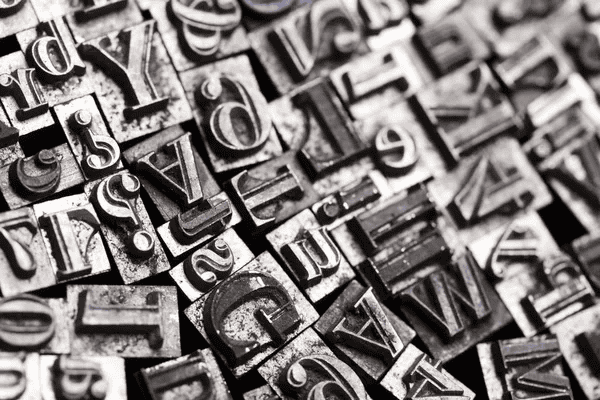
A traditional method that’s still used for premium prints.
Best for:Invitations, luxury cards
Why it’s used: Gives a slightly textured, high-end feel
7. Rotary Printing
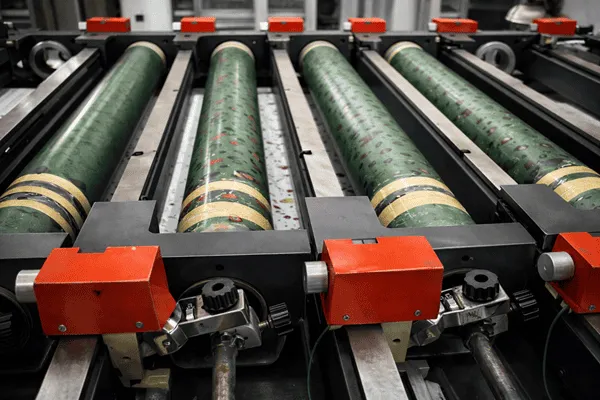
Uses rotating cylinders for high-speed production.
Best for: Newspapers, textiles
8. UV Printing
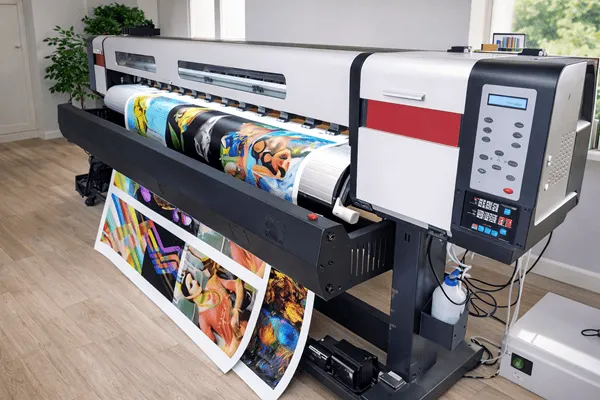
Uses UV light to dry ink instantly.
Best for: Glass, acrylic
Benefit: Clean and long-lasting finish
9. Sublimation Printing
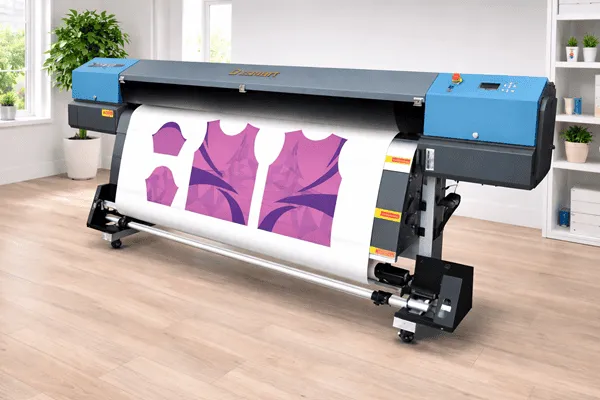
Uses heat to transfer dye into materials.
Best for:T-shirts, mugs printing
10. Pad Printing
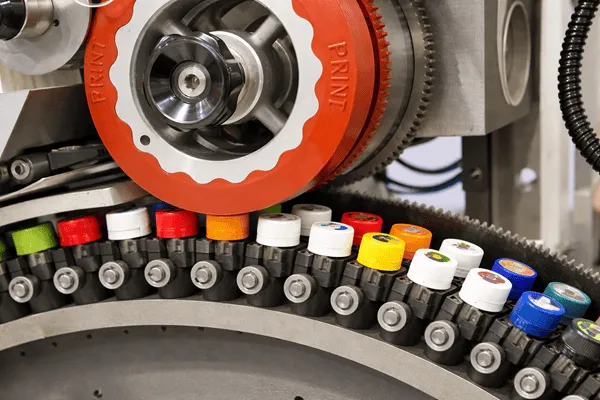
Works well on uneven or curved surfaces.
Best for: Promotional items
11. Embossing
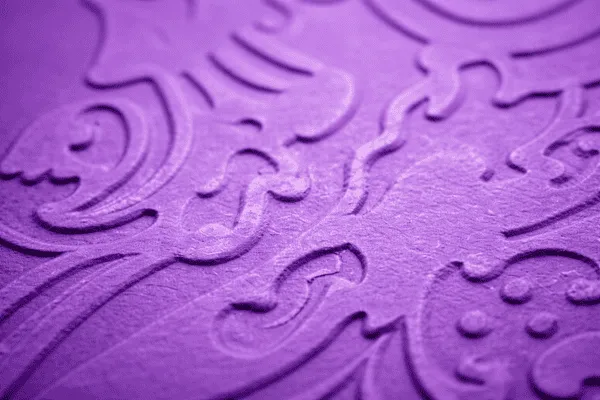
Creates a raised design without ink.
Best for: Premium packaging
12. Foil Stamping
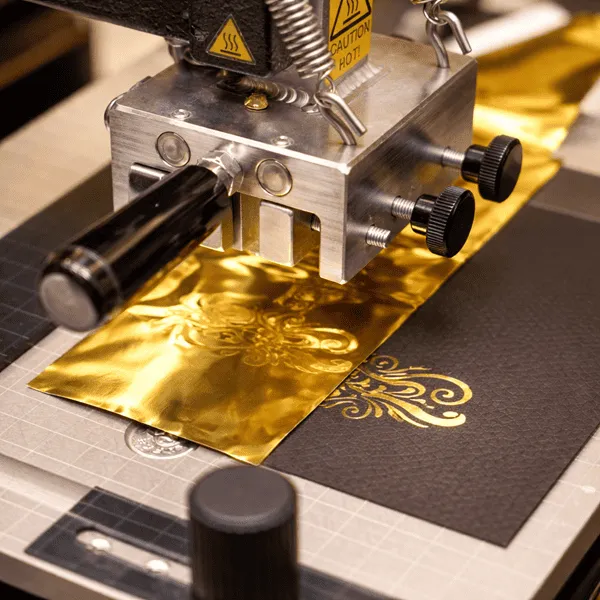
Adds a metallic finish.
Best for: Logos, luxury prints
13. Thermography Printing
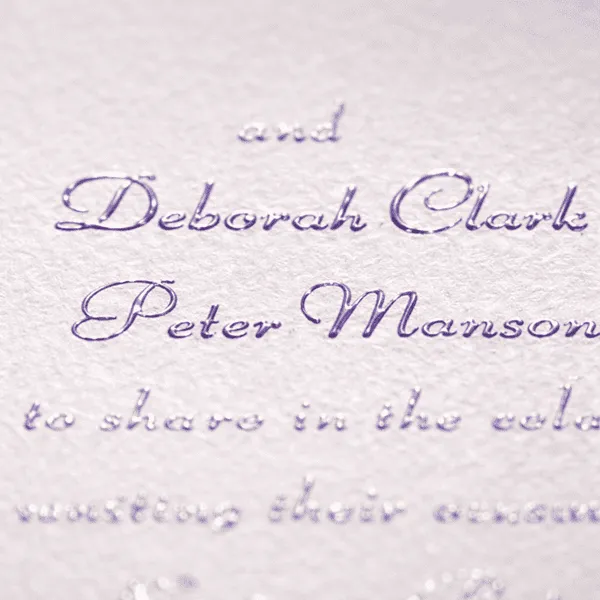
Creates raised text using heat.
Best for:Invitations
14. Inkjet Printing
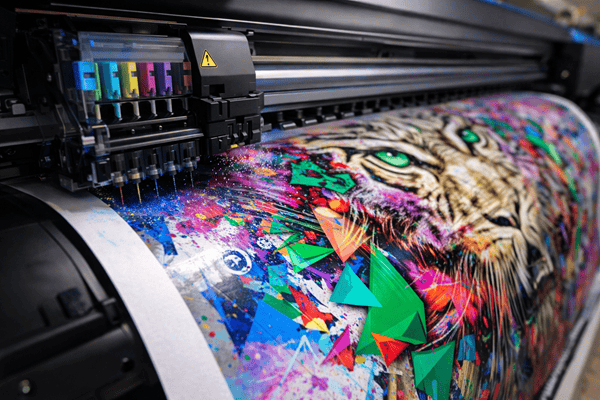
Sprays tiny droplets of ink.
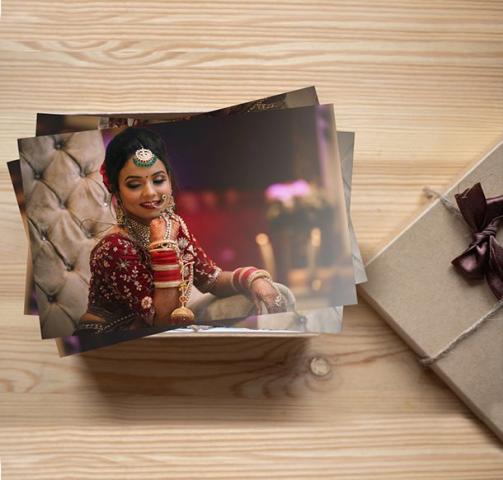
Best for: Photos, posters
15. 3D Printing
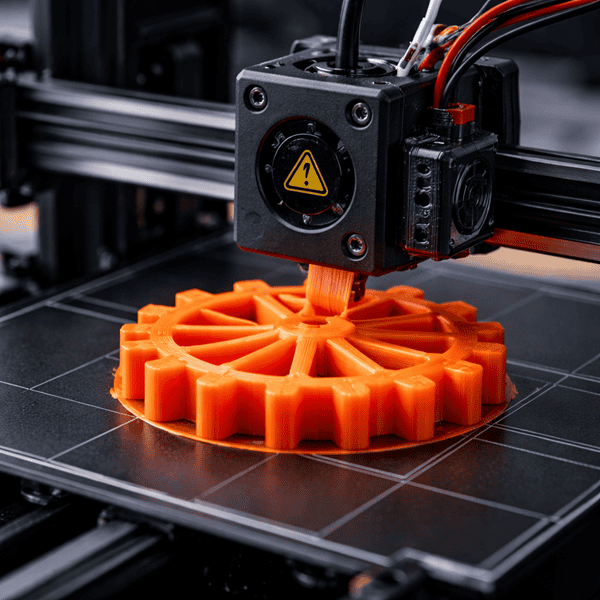
Builds objects layer by layer.
Best for: Prototypes
Comparison of Printing Techniques
| Printing Technique | Best For | Speed | Quality |
|---|---|---|---|
| Offset Printing | Bulk printing | Medium | Very High |
| Digital Printing | Small runs | Fast | High |
| Screen Printing | Fabric printing | Medium | High |
| Flexographic Printing | Packaging | Very Fast | High |
| Gravure Printing | Industrial | Fast | Excellent |
Where These Techniques Are Used
You’ll usually see these printing methods used in:
1. Packaging
Labels, boxes, and product branding
2. Textiles
Clothing and fabric designs
3. Marketing
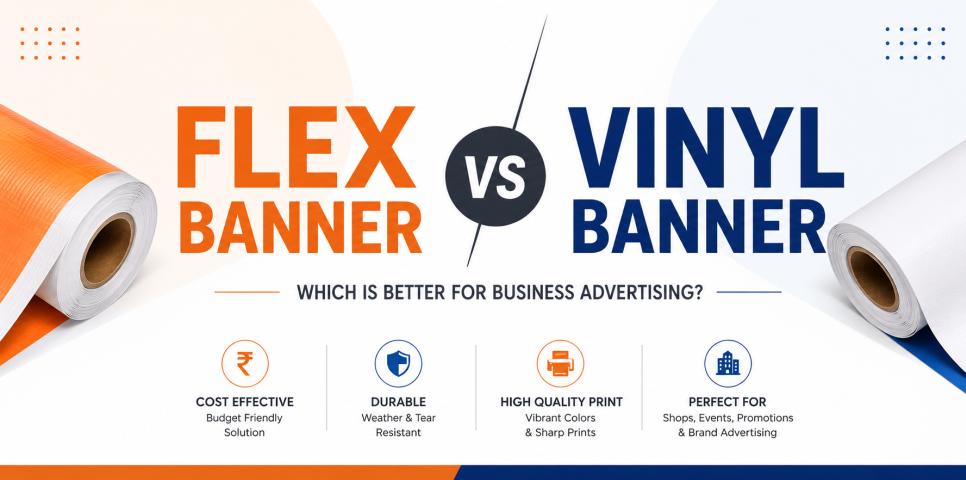
Flyers, brochures, banners
4. Publishing
Books and newspapers
How to Choose the Right Printing Technique
There’s no fixed answer—it depends on what you actually need.
1. Quantity
Bulk → Offset
Small → Digital
2. Material
Fabric → Screen printing
Packaging → Flexographic
3. Budget
Short runs are usually cheaper with digital
4. Quality
For detailed work, offset or gravure works better
At Tagsen, we usually consider all these factors together before suggesting a method, rather than focusing on just one.
Common Mistake to Avoid
One thing we’ve noticed at Tagsen is that people often choose a printing method based only on initial cost.
That can backfire.
For example, using digital printing for large volumes may seem easier at first, but it can increase the overall cost. In those cases, offset or flexographic printing usually works better.
Frequently Asked Questions
What are printing techniques?
They are methods used to transfer designs onto materials like paper, fabric, or plastic.
Which printing method is best for packaging?
Flexographic and gravure printing are commonly used.
What is the difference between offset and digital printing?
Offset is better for bulk printing, while digital is ideal for smaller runs.
Which printing method is best for business cards?
Digital works well for small quantities, while offset is better for bulk.
Conclusion
At first glance, printing may seem easy, but when you look into the different choices, you'll see that each one serves a different purpose.
Understanding these printing techniques helps you make better decisions—whether it’s for packaging, marketing materials, or something more specific.
Tagsen has always been about helping companies find printing methods that meet their needs in terms of quality, cost, and the real world.