Without much noise, water and wastewater systems are working behind the walls, and even so, they are important in contemporary communities. A lift station is one of the components that are not widely present in the public. These plants relocate the wastewater standing at a low level to a high one to enable it to proceed through treatment plants. Since they are operated on a continuous basis, the proper lift station monitoring is crucial to the maintenance of a sound municipal infrastructure. Lift stations can also stop working, be blocked or be electrically faulty without detection until they cause a significant service failure. When using modern lift station monitoring, municipalities and the operators of facilities enjoy real-time control over the equipment operation and the state of the systems.
How Lift Station Monitoring Improves Infrastructure Reliability
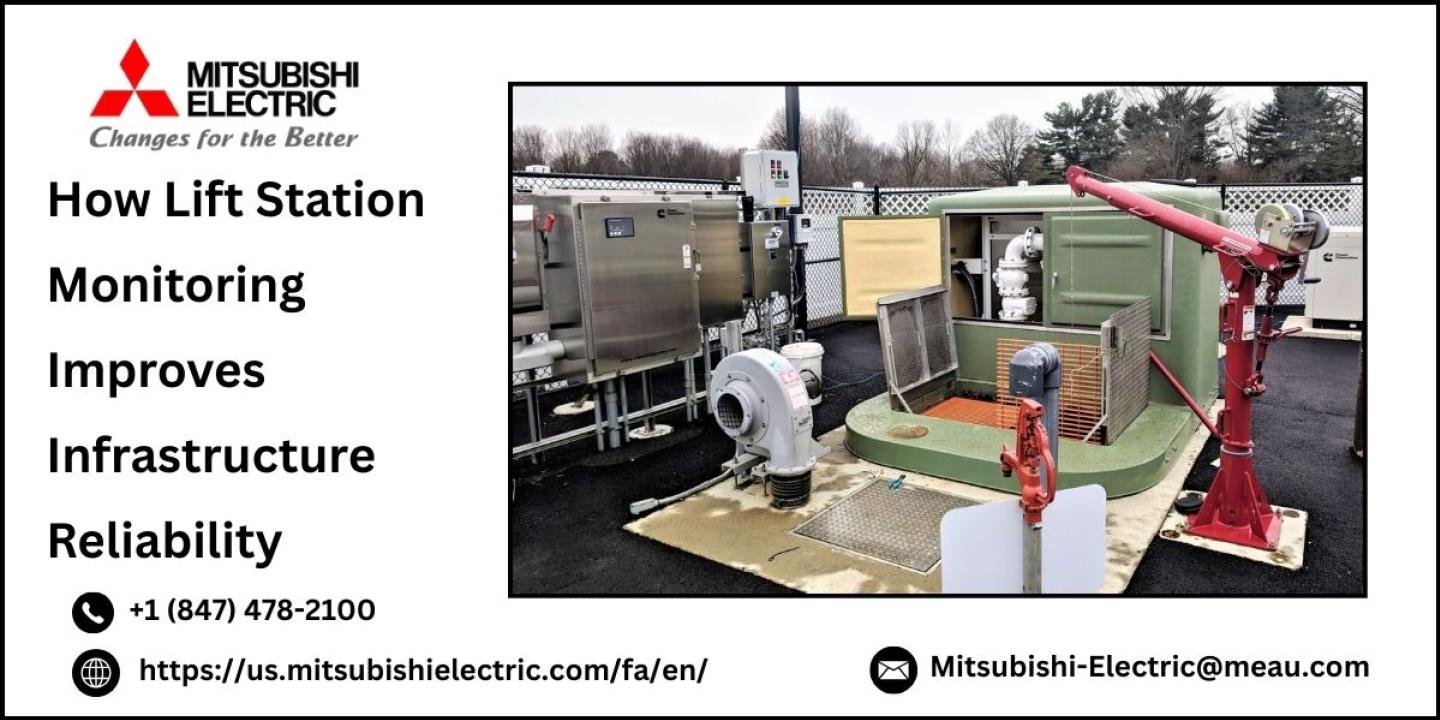
Image credits: Lift Station Monitoring
Moving Wastewater Efficiently
Lift stations are used to move the wastewater in cases whereby pumping cannot move the wastewater through pipelines by only using gravity. Wastewater is forced to treat plants with pumps in the station. Lift station monitoring is a significant component of wastewater management by virtue of its reliability in its operations.
Protecting Public Health
In the event of a lift station failure, there can be cause of wastewater backups or overflows. Such incidents may have an impact on human health and the environment. Constant observation will ensure that such incidences are avoided.
Managing Pump and Equipment Performance
Lift stations rely on pumps, motors, valves, and electrical controls. Any failure in these components can interrupt wastewater flow. Monitoring systems help operators track equipment conditions.
Supporting Municipal Infrastructure Reliability
Cities depend on consistent wastewater transport to maintain sanitation services. Modern monitoring tools provide the visibility needed to maintain that reliability.
Real-Time System Sensors
Advanced monitoring platforms use sensors to measure water levels, pump activity, and system pressure. Many systems incorporate wastewater lift station iot sensors that transmit operational data continuously.
Remote Monitoring Platforms
The operators can be watching several plants within an area. Remote sites enable employees to monitor equipment without leaving to visit them. Having the ability to access the lift station monitoring enhances the efficiency of lift stations.
Automated Alerts and Notifications
There is the opportunity to monitor the condition and raise alerts in the case of an unexpected increase in water levels or the appearance of a malfunction of pumps. Fast alerts assist a team to react swiftly to possible issues.
Integration With Motor Control Systems
Variable frequency drives are used to control the speed of the pumps and enhance the energy efficiency. Technologies that are akin to the approach of a data center vfd can enable equipment to scale operation according to real-time demand. Advantages of the use of Monitoring Systems.
Preventing Unexpected Equipment Failures
The maintenance teams will be able to address unusual behaviors in pumps before they cause negative effects. Preventive maintenance minimizes downtimes.
Reducing Maintenance Costs
Unmonitored routine inspections may be time-consuming and too costly. The remote monitoring systems enable the technicians to concentrate on the areas that require some action. Effective monitoring enhances distribution of resources.
Improving System Efficiency
Continuous data assists the operators to know the behavior of the lift stations under varying conditions. These lessons help in optimization of infrastructure.
Supporting Long-Term Infrastructure Planning
Historical performance data helps municipalities plan equipment upgrades and infrastructure improvements. Reliable data improves planning decisions.
Industrial Facility Monitoring
Monitors are frequently used in industries to identify the state of certain equipment and identify any operational problem. Likewise, the same principles can be applied to car wash monitoring which monitor pumps, water flow and efficiency of operations.
Remote Industrial Control Systems
The automation systems employed in manufacturing plants enable the machine operators to have remote monitoring of the equipment. Such systems allow sustaining the operational performance.
Data-Driven Maintenance Strategies
The sensors gather performance information, which assists in determining the trends in equipment. Predictive maintenance enhances reliability of the system.
Cross-Industry Technology Applications
Wastewater infrastructure is also commonly supported by monitoring technologies that were initially created to be used in industrial automation. The common technologies enhance the efficiency of operations in sectors.
What is lift station monitoring?
Lift station monitoring is the technique of monitoring the performance of pumps, water levels and equipment in wastewater facilities through sensors and software systems.
How do wastewater lift station iot sensors improve monitoring?
IoT sensors measure real-time data and send them to monitoring platforms, which enable operators to identify problems in time.
Why is lift station monitoring important for infrastructure?
Monitoring is used to avoid pump malfunctions, minimize maintenance expenses and ensure the dependability of transporting waste water.
Stable wastewater systems require equipment that is efficient and reliable. Lift station monitoring enables operators to have information on whether things are going wrong early enough in order to keep systems running. Monitoring technology can aid proactive infrastructure management through automated alert systems, real-time data, and integrated control systems. The monitoring systems will be a necessary part of keeping the water and wastewater operations in the cities reliable as cities grow and the requirements in the fields of infrastructure grow.
Written by
mitsubishielectric
215 days ago