
Building wealth is not about quick wins. It is about staying consistent, making informed choices, and allowing your investments to grow over time. Mutual funds have become one of the most preferred options for investors who want steady growth without actively managing the market every day. If you are planning for medium-term financial goals, choosing the Best Mutual Funds to Invest can make a big difference in your results.
In this guide, we will help you understand how to select the right mutual funds for a 5 to 10 year horizon and what factors truly matter.
Why 5–10 Years Is an Ideal Investment Horizon
A time frame of 5 to 10 years gives your investments enough room to grow and recover from short-term market fluctuations. Equity mutual funds, in particular, perform better over longer periods due to compounding and market cycles.
With this horizon, you can:
Take advantage of market growth
Reduce the impact of volatility
Achieve goals like buying a house, funding education, or building wealth
Types of Mutual Funds Suitable for Wealth Creation
Not all mutual funds are designed for long-term growth. Here are the categories you should focus on:
1. Large Cap Funds
These funds invest in well-established companies. They are relatively stable and suitable for conservative investors.
2. Flexi Cap Funds
Flexi cap funds invest across large, mid, and small cap stocks. They offer diversification and flexibility, making them a strong choice for long-term wealth creation.
3. Mid Cap Funds
Mid cap funds have higher growth potential than large cap funds but come with slightly higher risk. They are ideal for investors with moderate risk appetite.
4. Small Cap Funds
These funds can deliver high returns over time but are more volatile. Suitable for investors who can handle market ups and downs.
5. ELSS Funds
Equity Linked Savings Schemes offer tax benefits along with growth potential. They also come with a lock-in period of three years.
Key Factors to Consider Before Investing
Choosing the Best Mutual Funds to Invest is not just about picking top-performing funds. You need to look deeper.
Fund Performance Consistency
Check how the fund has performed over different time periods, not just one year. Consistency matters more than short-term gains.
Expense Ratio
Lower expense ratios mean more returns in your pocket. Always compare costs before investing.
Fund Manager Expertise
An experienced fund manager plays a crucial role in navigating market changes and delivering stable returns.
Risk Level
Understand your own risk tolerance. Do not invest in high-risk funds if you are not comfortable with volatility.
Portfolio Diversification
Ensure the fund invests across sectors and industries to reduce risk.
How to Build a Strong Mutual Fund Portfolio
A well-balanced portfolio is the foundation of wealth creation. Instead of putting all your money into one fund, spread your investment across categories.
For example:
40% in large cap funds
30% in flexi cap funds
20% in mid cap funds
10% in small cap funds
This mix helps you balance risk and return effectively.
You can also choose between SIP and lump sum investments based on your financial situation. SIPs are ideal for disciplined investing, while lump sum works well when markets are low.
Common Mistakes to Avoid
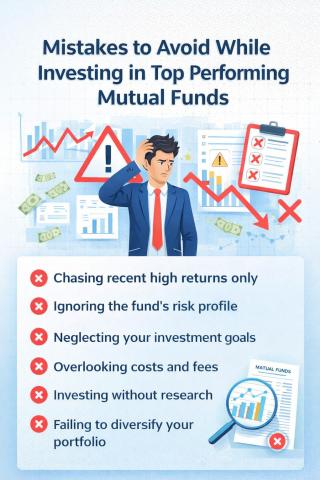
Many investors make simple mistakes that affect their long-term returns. Avoid these:
Chasing past performance without research
Investing based on trends or social media hype
Ignoring fund fundamentals
Exiting investments too early during market dips
Not reviewing your portfolio regularly
Staying patient and disciplined is key to success.
How Quant Trade Can Help
Selecting the right mutual funds can feel overwhelming, especially with so many options available. This is where Quant Trade can guide you with data-driven insights and personalized strategies.
Quant Trade focuses on helping investors choose funds based on performance metrics, risk analysis, and long-term goals. Instead of guesswork, you get structured guidance that aligns with your financial objectives.
Smart Tips for Better Returns
Start early to maximize compounding
Stay invested during market fluctuations
Review your portfolio at least once a year
Increase your SIP amount as your income grows
Focus on long-term goals instead of short-term gains
Take the Next Step in Your Investment Journey
Ready to build long-term wealth with the right strategy
Explore expert-curated mutual fund insights and personalized investment plans with quant trade today. Take the first step towards smarter investing by visiting Quant Trade and start your journey now.
Frequently Asked Questions
1. What is the ideal duration for mutual fund investment
A minimum of 5 years is recommended for equity mutual funds to achieve meaningful returns and reduce risk.
2. Are mutual funds safe for long-term investment
Yes, mutual funds are considered relatively safe when chosen wisely and held for the long term. Diversification helps reduce risk.
3. Should I invest through SIP or lump sum
SIP is better for regular investing and managing market volatility, while lump sum works well when you have surplus funds and favorable market conditions.
4. How many mutual funds should I include in my portfolio
Ideally, 3 to 5 funds across different categories are enough for proper diversification.
5. Can I withdraw my investment anytime
Most mutual funds allow withdrawal anytime, except ELSS funds which have a lock-in period of three years.