Money is no longer the only factor in investing. People now look at how a company treats the planet, its workers, and its leaders. This shift has led to a new >
This approach helps investors choose companies that act with care and long-term vision. It also helps reduce risks that may not show up in normal financial reports.
What Is ESG Investing?
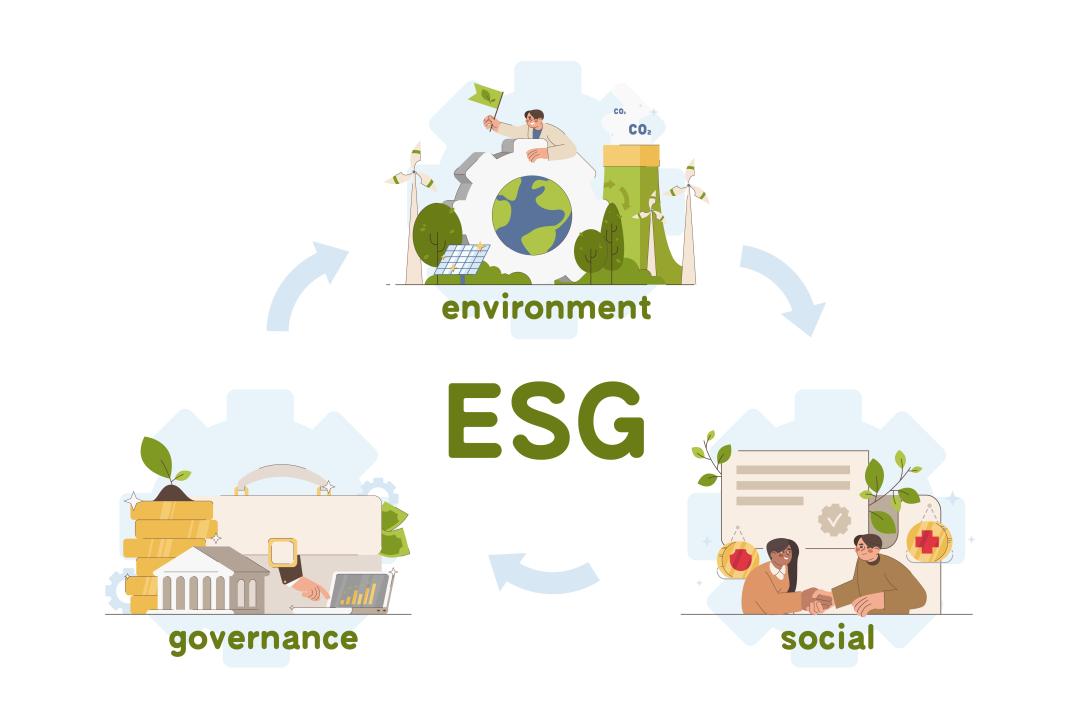
ESG Investing looks at three key areas before putting money into a company:
Environmental – How the company affects nature
Social – How it treats people
Governance – How it is managed
Instead of only checking profit, investors study these factors to make better choices. The goal is to support firms that act in a fair and safe way.
The Three Pillars Explained
Environmental Factors
This part looks at how a company impacts the earth.
Key points include:
Carbon output
Use of energy and water
Waste control
Climate plans
A company that cuts pollution and uses clean energy often scores high here.
Social Factors
This checks how a company deals with people.
It includes:
Worker safety
Fair pay
Data privacy
Community support
Firms that treat staff well and respect users build trust over time.
Governance Factors
This focuses on how a company is run.
It looks at:
Board structure
Ethics
Pay of top leaders
Shareholder rights
Good rules and clear actions help avoid fraud and poor decisions.
How ESG Investing Works in Practice
Investors use ESG scores to rate companies. These scores come from data, reports, and audits.
The process often follows these steps:
Screening – Remove companies that fail basic ESG checks
Scoring – Rate firms based on ESG data
Selection – Pick companies with strong scores
Monitoring – Track changes over time
Many funds now use ESG rules to build their portfolios. Some focus only on green energy. Others include a mix of sectors but avoid harmful practices.
Role of Climate Risk Management
Climate change is now a real financial risk. Floods, heat waves, and new laws can affect business results.
This is where Climate Risk Management comes in.
It helps investors:
Spot risks early
Avoid loss from climate events
Back firms with strong plans
For example, a company that depends on coal may face future limits. A firm using solar power may be safer in the long run.
Smart investors study these risks before making a move.
Why ESG Investing Is Growing
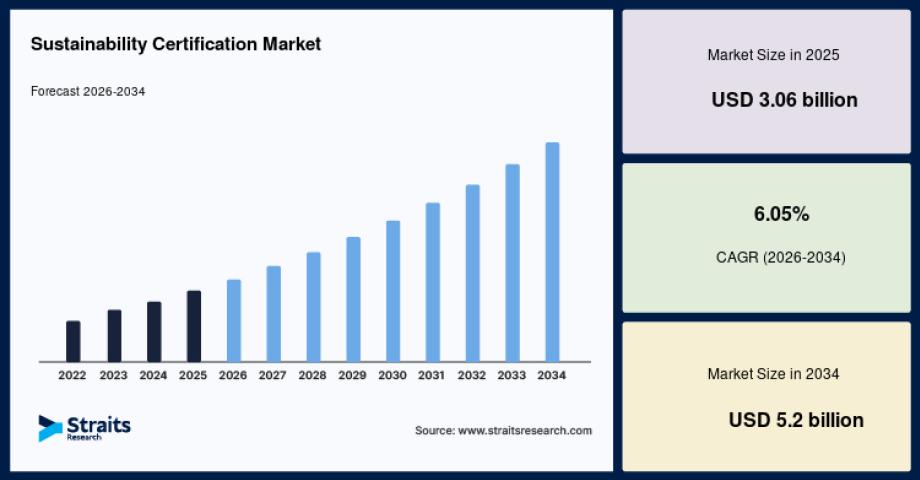
More people want their money to do good. At the same time, data shows that ESG-focused firms often perform well over time.
Key reasons for growth:
Better risk control
Strong brand trust
Support from global events like a Sustainability Summit
Demand from young investors
Large funds and banks are also shifting toward ESG-based models.
Real-Life Case Studies
Case Study 1: Renewable Energy Firm
A clean energy company focused on wind and solar projects. It reduced carbon output and invested in local jobs.
Results:
Strong ESG score
Higher investor trust
Steady stock growth over five years
Investors who backed this firm saw stable returns and lower risk.
Case Study 2: Global Consumer Brand
A large brand faced issues with worker safety in its supply chain. After public pressure, it changed its policies.
Actions taken:
Improved work conditions
Set clear safety rules
Shared open reports
Results:
Better social score
Improved brand image
Increase in investor interest
This shows how ESG changes can fix risks and build value.
Benefits of ESG Investing
Helps manage long-term risk
Supports ethical business
Builds stable returns
Aligns money with values
It is not only about doing good. It is also about making smart choices.
Challenges to Watch
ESG data is not always clear
Ratings may differ across sources
Some firms may claim to be green without proof
Investors must check facts and avoid blind trust.
Conclusion
ESG investing brings a new way to look at money and impact. It adds more layers to decision-making. By focusing on the environment, people, and strong rules, investors can reduce risk and support better business.
As climate and social issues grow, this approach will likely become a key part of future investing.
FAQs
1. What is ESG investing in simple terms?
It is a way of investing that looks at how a company treats the planet, people, and its own rules, along with profit.
2. Is ESG investing profitable?
Many ESG funds show stable growth over time. They may also face lower risks from future issues.
3. How are ESG scores calculated?
Scores come from data on carbon use, labour rules, and company policies. Different agencies may rate them in different ways.
4. What is climate risk in investing?
It refers to risks caused by climate change, like damage, new laws, or rising costs that can affect a business.
5. Can beginners start ESG investing?
Yes. Many funds and apps offer simple ways to start with small amounts while following ESG rules.