Gut health plays a crucial role in how your body functions every day. While it’s often associated with digestion, its impact goes far beyond that. From immunity to mental well-being, maintaining a healthy gut can significantly improve your overall quality of life.
What Is Gut Health?
Your gut is home to trillions of microorganisms, collectively known as the gut microbiome. These bacteria, fungi, and microbes help break down food, absorb nutrients, and protect your body from harmful pathogens. When this system is balanced, your body functions smoothly. When it’s not, various health issues can arise.
Why Gut Health Is Important
A healthy gut supports efficient digestion, allowing your body to absorb essential nutrients properly. It also plays a key role in strengthening your immune system. In fact, a large portion of your immune response is linked to your gut.
Another important aspect is the gut-brain connection. Your gut communicates with your brain through chemical signals and nerves. This connection influences mood, stress levels, and even sleep quality. That’s why poor gut health is often linked to fatigue, anxiety, and brain fog.
Signs of an Unhealthy Gut
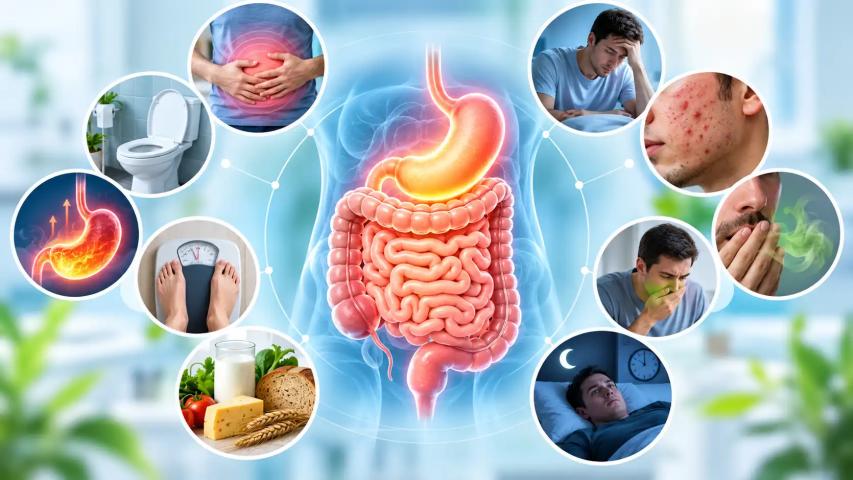
You might not always realize your gut needs attention, but some common signs include:
Frequent bloating or gas
Irregular bowel movements
Food sensitivities
Low energy levels
Skin issues like acne
Recognizing these symptoms early can help you take steps toward improvement.
How to Improve Gut Health Naturally
Improving gut health doesn’t require drastic changes. Small, consistent habits can make a big difference over time.
1. Eat More Fiber-Rich Foods
Fiber is essential for feeding beneficial gut bacteria. Include fruits, vegetables, whole grains, and legumes in your meals to support digestion.
2. Add Probiotic Foods
Probiotics are beneficial bacteria that help restore balance in your gut. Foods like yogurt, kefir, and fermented vegetables are excellent natural sources.
3. Include Prebiotic Foods
Prebiotics act as fuel for good bacteria. Foods like garlic, onions, bananas, and oats can help nourish your gut microbiome.
4. Stay Hydrated
Drinking enough water helps maintain smooth digestion and supports the gut lining.
5. Reduce Processed Foods
Highly processed foods and excess sugar can disrupt gut balance. Choosing whole, natural foods is a better option for long-term health.
6. Manage Stress and Sleep Well
Stress and poor sleep can negatively impact your gut. Simple practices like relaxation techniques and maintaining a consistent sleep routine can help restore balance.
Final Thoughts
Taking care of your gut is one of the most effective ways to support your overall health. By making mindful food choices and maintaining a balanced life>