Installing a commercial HVAC system is a major project that affects comfort, energy costs, indoor air quality, and day to day operations. Unlike residential systems, commercial installations involve larger equipment, stricter codes, detailed engineering, and coordination among multiple teams. Business owners and facility managers often ask the same question: how long will the installation take from start to finish?
The honest answer is that timelines vary based on building size, system type, and site conditions. Budget planning is also closely tied to scheduling, since equipment availability and project scope can shift both cost and duration. Before committing to a project, many owners research pricing alongside scheduling to understand the full picture, including factors explained in this guide on how much does commercial ac unit cost.
This article breaks down the typical commercial HVAC installation timeline step by step so you know what to expect and how to avoid delays.
Phase 1: Initial Assessment and Load Calculation
Typical duration: 1 to 3 weeks
Every successful installation begins with a detailed evaluation of the building. Contractors perform a site visit to assess:
- Building size and layout
- Existing ductwork and equipment
- Insulation levels
- Occupancy patterns
- Electrical capacity
- Ventilation requirements
- Local climate considerations
Engineers then perform heating and cooling load calculations to determine the correct system size. Oversized units waste energy and short cycle, while undersized systems struggle to maintain comfort and wear out faster.
For new construction, this phase integrates with architectural plans. For retrofits, additional time may be needed to evaluate structural limitations and existing infrastructure.
Phase 2: System Design and Equipment Selection
Typical duration: 2 to 4 weeks
Once requirements are known, engineers design the HVAC system. This includes:
- Equipment type selection (rooftop units, split systems, VRF systems, chillers, etc.)
- Ductwork layout
- Ventilation strategy
- Zoning design
- Controls and automation planning
- Energy efficiency considerations
Commercial systems must meet strict building codes and efficiency standards. In many areas, designs must also comply with indoor air quality regulations and fire safety requirements.
Complex buildings such as hospitals, data centers, or manufacturing facilities require highly specialized designs, which can extend this phase.
Phase 3: Permits and Approvals
Typical duration: 2 to 6 weeks (sometimes longer)
Permitting is one of the most unpredictable parts of the timeline. Local authorities review plans to ensure compliance with:
- Building codes
- Mechanical codes
- Electrical standards
- Environmental regulations
- Safety requirements
Some municipalities approve permits quickly, while others have backlogs that slow the process. If revisions are requested, approval may take additional weeks.
Projects involving structural changes, roof modifications, or high capacity electrical upgrades often require multiple permits, further extending timelines.
Phase 4: Equipment Procurement
Typical duration: 2 to 10 weeks
After permits are secured, equipment is ordered. Lead times vary widely depending on:
- Equipment size and type
- Manufacturer availability
- Custom specifications
- Supply chain conditions
- Seasonal demand
Standard rooftop units may arrive in a few weeks, while large chillers or custom systems can take several months. During peak seasons, manufacturers prioritize urgent orders, which may delay other projects.
Planning ahead and ordering early is one of the best ways to prevent costly delays.
Phase 5: Site Preparation
Typical duration: 1 to 3 weeks
Before installation begins, the site must be prepared. This stage may include:
- Removing old equipment
- Reinforcing structural supports
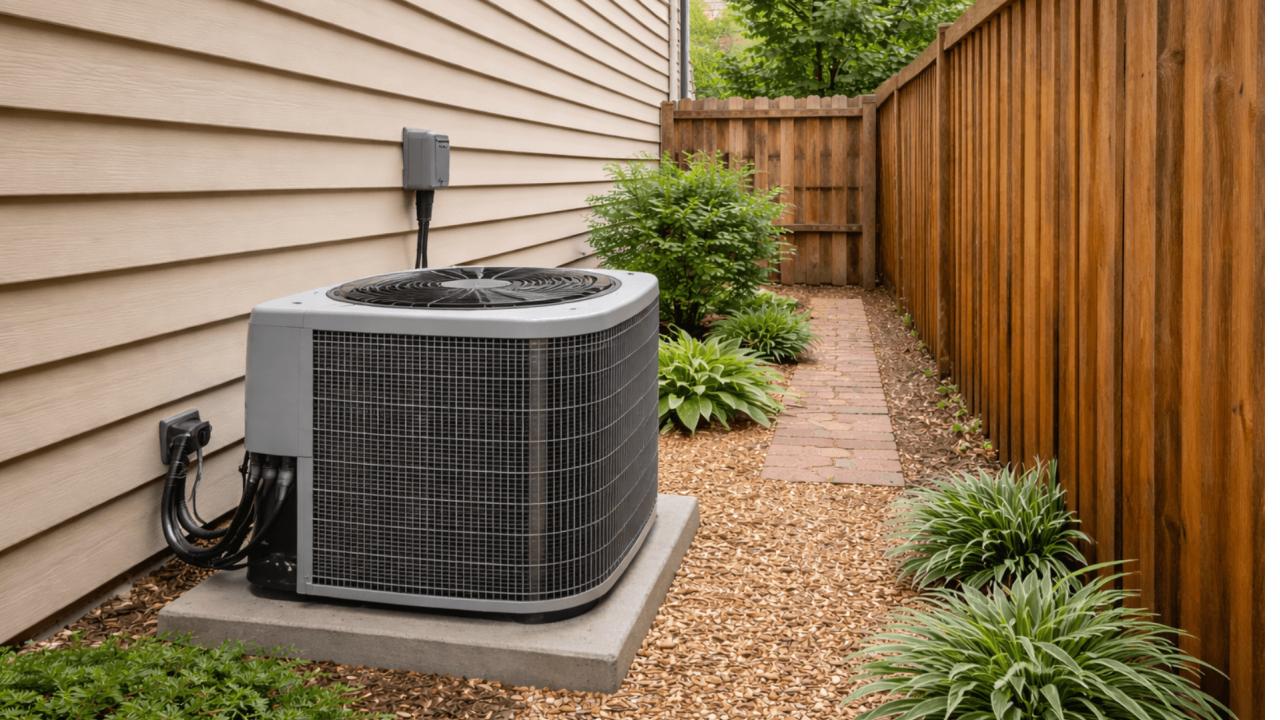
- Installing equipment pads or curbs
- Upgrading electrical systems
- Preparing roof access
- Coordinating crane logistics
In retrofit projects, unexpected conditions such as hidden damage, outdated wiring, or structural limitations can extend this phase.
Phase 6: Installation of Equipment and Ductwork
Typical duration: 1 to 4 weeks
This is the most visible part of the project. Crews install the major components, including:
- HVAC units
- Air handlers
- Ductwork
- Refrigerant lines
- Electrical connections
- Thermostats and sensors
- Ventilation systems
Large equipment often requires cranes for rooftop placement, which must be scheduled carefully and coordinated with safety measures.
Installation timelines depend heavily on building size. A small office may be completed in a week, while a large commercial facility could take a month or more.
Phase 7: Controls Integration and System Testing
Typical duration: 3 to 7 days
Modern commercial HVAC systems rely on advanced controls to optimize performance. Technicians configure:
- Building management systems (BMS)
- Zoning controls
- Temperature schedules
- Energy saving features
- Safety shutdown protocols
After setup, the system undergoes rigorous testing to verify proper airflow, refrigerant levels, electrical performance, and safety functions.
Any deficiencies discovered during testing must be corrected before final approval.
Phase 8: Inspection and Final Approval
Typical duration: 1 to 2 weeks
Local inspectors review the completed installation to confirm it meets code requirements. Inspections may cover:
- Mechanical installation
- Electrical work
- Structural compliance
- Safety systems
- Ventilation standards
If issues are identified, contractors must address them before receiving approval. Once passed, the system can be fully commissioned for normal operation.
Phase 9: Training and Project Handover
Typical duration: 1 to 3 days
Before the project is considered complete, facility staff receive training on system operation and maintenance. This includes:
- Thermostat and control usage
- Filter replacement schedules
- Basic troubleshooting
- Preventive maintenance recommendations
- Emergency procedures
Proper training helps extend system lifespan and maintain efficiency from day one.
Typical Total Timeline
While each project is unique, most commercial HVAC installations fall within these ranges:
- Small commercial building: 6 to 10 weeks
- Medium facility: 8 to 16 weeks
- Large or complex project: 4 to 6 months or more
Retrofits generally take longer than new construction due to demolition, compatibility issues, and operational constraints.
Factors That Can Extend the Timeline
Several common issues cause delays:
Equipment shortages
Global supply chain disruptions can significantly increase lead times for large units and specialty components.
Permit complications
Revisions requested by local authorities may require redesign and resubmission.
Structural limitations
Older buildings often need upgrades before new systems can be installed.
Weather conditions
Outdoor work, especially rooftop installation, may be delayed by extreme weather.
Operational constraints
Businesses that must remain open during installation require phased scheduling, which slows progress.
How to Keep Your Project on Schedule
Owners can take several proactive steps to avoid delays:
- Engage experienced commercial HVAC contractors early
- Approve designs quickly to prevent bottlenecks
- Plan installations during off peak seasons when possible
- Ensure electrical capacity and structural readiness beforehand
- Communicate operational needs clearly
- Budget for contingencies
Clear coordination between owners, contractors, engineers, and inspectors is the key to a smooth installation.
Final Thoughts
A commercial HVAC installation is not a quick equipment swap. It is a structured process involving engineering, compliance, logistics, and precision workmanship. While the full timeline may span several weeks to months, careful planning and experienced professionals can keep the project on track and minimize disruption to business operations.
Understanding each phase helps decision makers set realistic expectations, allocate budgets effectively, and avoid costly surprises. With proper preparation, the end result is a reliable system that delivers comfort, efficiency, and long term value for years to come.