Your one‑stop resource for cooling towers, actuators, HVAC integration and the top brands you can trust. A Perspective by ACL London.
*Published on 26 March 2026 – by James Sal, professional HVAC writer and industry consultant*
Table of Contents
| # | Section |
|---|---|
| 1 | What Is a Chilled‑Water System? |
| 2 | Why Choose Chilled Water Over Conventional Air‑Conditioning? |
| 3 | Core Components: Cooling Towers, Chillers, Piping, Actuators & Controls |
| 4 | The UK Market – Leading Brands & What Sets Them Apart (Table) |
| 5 | Designing an Efficient System: Sizing, Layout & Energy‑Saving Strategies |
| 6 | Maintenance Matters – From air conditioning service to air con repair |
| 7 | Integrating Chilled Water with Modern HVAC & Building Management Systems |
| 8 | Common Pitfalls & How to Avoid Them |
| 9 | Cost‑Benefit Snapshot – Capital vs. Operational Expenditure |
| 10 | Choosing the Right Partner for air conditioning installation, maintenance and repair |
| 11 | Future Trends – Heat‑Recovery, AI‑driven Controls & Sustainable Refrigerants |
| 12 | Bottom‑Line Checklist for Facility Managers |
| 13 | FAQs |
| 14 | Final Thoughts |
1. What Is a Chilled‑Water System?
A chilled‑water (CW) system is a centralised cooling network that produces chilled water in a plant‑room (or plant‑hall) and distributes it via insulated pipework to multiple terminal units – fan‑coil units, air handling units (AHUs), radiant cooling panels, or even data‑centre racks.
| Component | Primary Role |
|---|---|
| Chiller | Removes heat from the water loop using a refrigerant cycle (water‑cooled, air‑cooled or hybrid). |
| Cooling Tower | Rejects the waste heat from the condenser water (for water‑cooled chillers). |
| Pump(s) | Circulate chilled water (primary loop) and condenser water (secondary loop). |
| Actuators & Controls | Modulate valves, pump speeds and fan rates to match real‑time load. |
| Terminal Units | Transfer the chilled water to the occupied zone and return it to the plant. |
In short, a CW system separates heat‑generation (chiller + cooling tower) from heat‑removal (terminal units), allowing a single plant to serve an entire building or campus.
2. Why Choose Chilled Water Over Conventional Air‑Conditioning?
| Factor | Chilled‑Water System | Conventional Split / Packaged AC |
|---|---|---|
| Scalability | One plant can serve dozens of zones; adding a new wing only needs extra pipework. | Each new zone typically requires a brand‑new unit – higher material cost and visual clutter. |
| Energy Efficiency | High‑efficiency centrifugal or screw chillers + variable‑speed pumps can achieve COP 5‑7 or more. | Split units often have EER 2‑3 (lower COP). |
| Space & Aesthetics | No indoor condensers; only low‑profile fan‑coil or radiant units inside. | Indoor condensers, ductwork, and multiple outdoor units take up space. |
| Noise | Quiet terminal units; plant noise isolated. | Each split unit generates its own fan noise. |
| Maintenance | Centralised maintenance schedule (e.g., air conditioning service, water treatment) → lower OPEX. | Multiple dispersed units → higher labour hours for air conditioning maintenance. |
| Flexibility | Easy to integrate with heat‑recovery, solar thermal or district cooling. | Limited integration possibilities. |
For large commercial, industrial, educational and healthcare premises — especially those with high cooling loads (data‑centres, labs, theatres) — the long‑term pay‑back of a CW system almost always beats a fleet of split units.
3. Core Components – A Deeper Look
3.1 Chillers
Chillers come in three main flavours:
| Type | Cooling Tower Required? | Typical Application | Pros |
|---|---|---|---|
| Water‑Cooled | Yes (cooling tower) | Large campuses, hospitals, factories | Highest efficiency (COP 5‑7), stable operating temperature |
| Air‑Cooled | No | Buildings with limited water availability or where tower space is scarce | Lower upfront cost, no tower maintenance |
| Hybrid (Water‑to‑Air) | Optional (optional tower) | Sites where part‑load efficiency is critical | Flexibility, can run in “dry” mode during drought |
Key UK brands (more in the table later) include Trane, York, Carrier, Daikin, Mitsubishi Electric, ECO (UK‑based), and Thermax.
3.2 Cooling Towers
An Air Conditioning cooling tower is essentially a large heat‑exchanger that uses evaporation to reject heat from condenser water to the ambient air.

Key performance metrics
- Approach – Temperature difference between the cold‑water temperature and the ambient wet‑bulb temperature. Lower approach = better performance.
- Range – Temperature drop across the tower.
- Fan Type – Induced‑draft (most common in the UK) vs forced‑draft.
Top UK manufacturers: Glen‑Dimplex, SPX Cooling Technologies, Johnson Controls, Therma (a specialist for low‑water‑usage towers).
3.3 Actuators & Controls
Modern chilled‑water plants rely on smart actuators (electric, pneumatic, or hydraulic) attached to:
- Control Valves – Modulate the flow to terminal units, creating a demand‑driven system.
- Pump VFDs (Variable‑Frequency Drives) – Adjust flow rates proportionally to load, reducing energy consumption up to 30 %.
Leading actuator brands in the UK: Siemens, Honeywell, Belimo, Dorma, Schneider Electric.
A good building management system (BMS) ties the chilled‑water loop, cooling tower fan speed, and terminal unit demand together, delivering predictive maintenance alerts and real‑time KPI dashboards (COP, ΔT, tower approach, etc.).
3.4 Terminal Units
Depending on the building’s function, you’ll see:
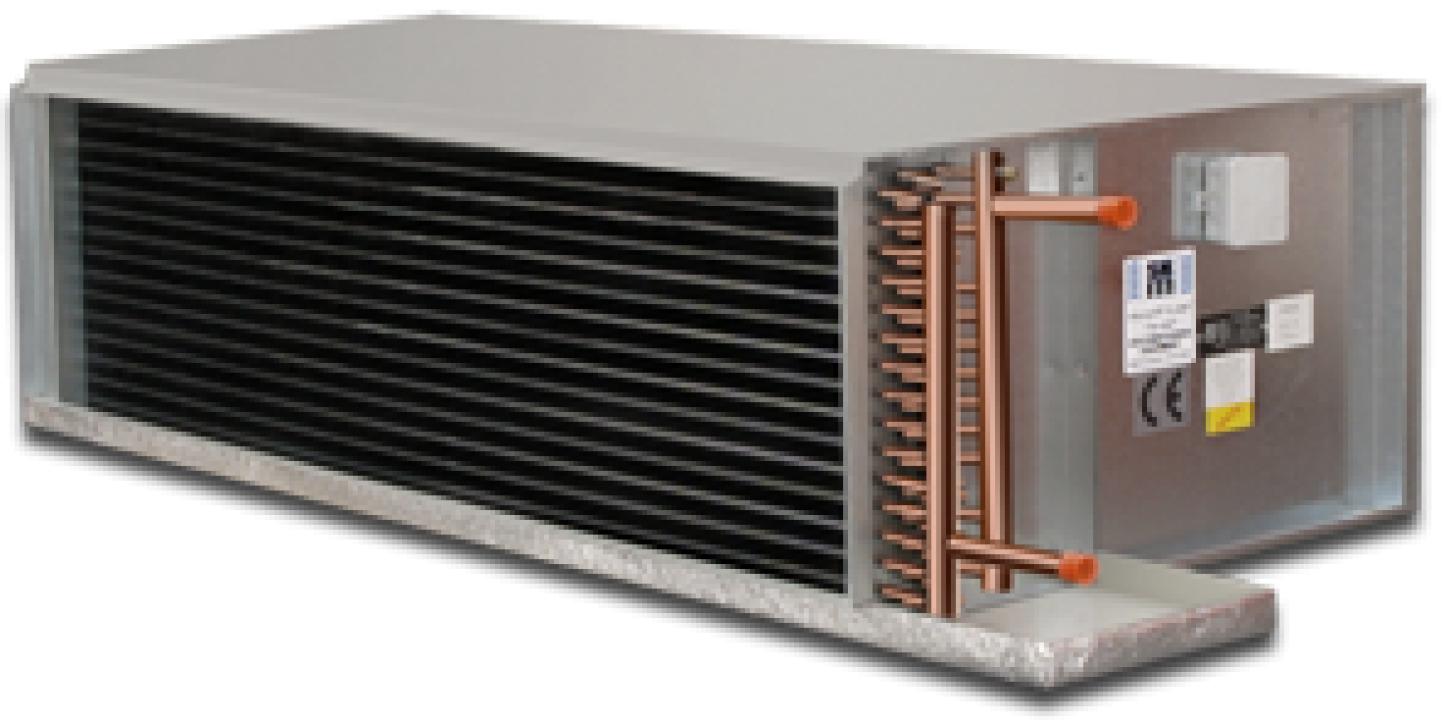
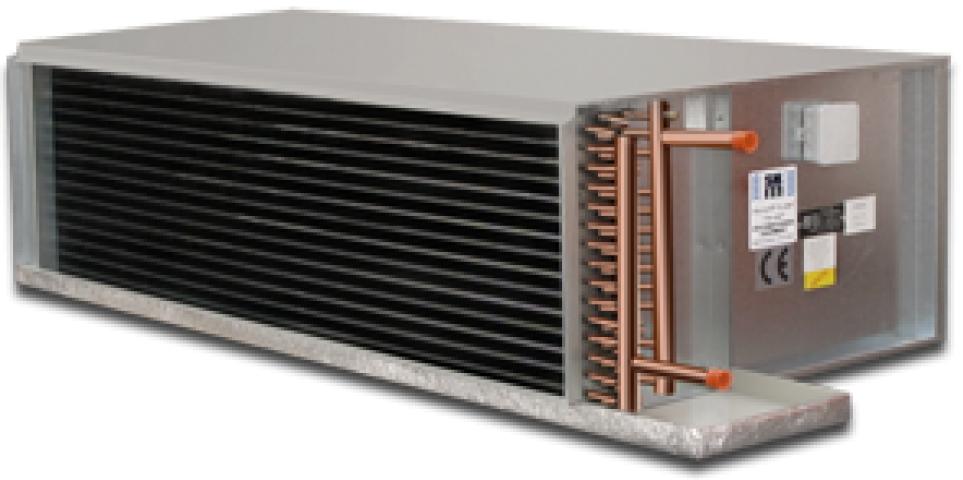
- Fan‑Coil Units (FCUs) – Most common; simple water‑coil + fan.
- Air Handling Units (AHUs) – Serve large zones, incorporate filters and sometimes heat‑recovery.
- Radiant Ceiling Panels – Provide silent, even cooling, often paired with a chilled‑water chilled‑beam system.
- Chilled‑Water Data‑Centre Racks – Direct‑liquid cooling for high‑density servers.
4. The UK Market – Leading Brands & What Sets Them Apart
Below is a concise but comprehensive comparison table of the most reputable chilled‑water system manufacturers operating in the United Kingdom. Feel free to use this as a quick reference when preparing a tender or procurement brief.
| # | Brand | Headquarters (UK/Europe) | Core Product Range | Notable UK Projects | Typical COP (Full Load) | Key Differentiator |
|---|---|---|---|---|---|---|
| 1 | Trane | Ireland (UK Office) | Centrifugal, Screw, Scroll Chillers; Air‑Cooled & Water‑Cooled | Heathrow Terminal 5, HSBC London | 5.8 – 7.0 | Trane™ IntelliPak predictive diagnostics; extensive local service network |
| 2 | York (Johnson Controls) | Manchester | Centrifugal and Screw Chillers, VFD Pumps | The Shard, University of Oxford | 5.5 – 6.9 | YORK™ YV high‑efficiency variable speed drives; strong warranty terms |
| 3 | Carrier | London | Water‑Cooled Centrifugal, Air‑Cooled Screw, Hybrid | Tate Modern, Manchester Airport | 5.4 – 6.8 | Carrier AquaSnap water‑side economizer for free cooling |
| 4 | Daikin | Leeds | Scroll & Screw Chillers, Air‑Cooled & Water‑Cooled | BT Data Centre (Cambridge), London Stock Exchange | 5.2 – 6.5 | Daikin Intelligent Touch BMS integration |
| 5 | Mitsubishi Electric | Birmingham | Water‑Cooled Centrifugal, Air‑Cooled Rotary | University of Leeds, NHS Trusts | 5.5 – 6.7 | High‑speed compressors → compact footprint |
| 6 | ECO | Sheffield | Custom‑built modular chillers, low‑noise designs | Eco‑Campus (Sheffield), Green Building Projects | 5.7 – 6.9 | Made‑in‑UK engineering; emphasis on low‑global‑warming‑potential refrigerants |
| 7 | Thermax (UK) | Glasgow | Water‑Cooled Chiller‑Boiler hybrids, waste‑heat recovery | Glasgow Science Centre, Large Manufacturing Sites | 5.6 – 7.2 | Integrated heat‑recovery for simultaneous heating & cooling |
| 8 | Glen‑Dimplex (Cooling Towers) | London | Induced‑Draft, Counter‑Flow & Cross‑Flow towers, low‑water‑consumption models | Heathrow Cooling Tower Refurbishment | N/A | Industry‑leading Low‑Water‑Usage (LWU) technology |
| 9 | SPX Cooling Technologies | Manchester | Hybrid towers, modular “mini‑tower” units | University of Southampton, Data Centres | N/A | Compact footprint – perfect for rooftop installations |
| 10 | Belimo (Actuators & Valves) | UK Office (Glasgow) | Electric, pneumatic, and smart actuators; pressure‑independent control valves | Multiple NHS Trusts, Commercial Offices | N/A | Belimo Online remote diagnostics and firmware updates |
| 11 | Honeywell | London | Smart VAV controls, actuator suites, BMS integration modules | Large Retail Chains, Government Buildings | N/A | Honeywell Enterprise Building Integrator (EBI) platform |
| 12 | Siemens | London | VFDs, smart control valves, BMS‑ready actuators | High‑Rise Residential Developments | N/A | Strong focus on Digital Twin simulation for design optimisation |
Tip for Facility Managers: When comparing brands, look beyond the headline COP. Verify the Integrated Energy Efficiency Ratio (IEER), warranty on rotating parts, and the depth of the local after‑sales service network—especially for Air Conditioning Company, Refrigeration maintenance, and repair.
5. Designing an Efficient System – Sizing, Layout & Energy‑Saving Strategies
5.1 Load Assessment
- Peak Cooling Load (kW) – Derived from a detailed heat‑gain calculation (solar, occupancy, equipment).
- Diversity Factor – For large campuses, peak loads rarely occur simultaneously; apply a diversity factor of 0.7‑0.85.
- Design ΔT (Temperature Drop) – Typical chilled‑water supply/return ΔT = 6–7 °C (10‑12 °F).
Formula:
Chilled‑Water Flow (L/s) = (Cooling Load (kW) × 1000) / (ΔT × 4.186)
5.2 Pipework Optimisation
- Hydraulic Balancing – Use pressure‑independent control valves (PI valves) to guarantee flow regardless of pump speed changes.
- Insulation – 25 mm polyurethane or 50 mm for long runs; reduces thermal losses and condensation risk.
- Loop Configurations – Primary‑secondary loops (decoupled) improve flexibility and minimise fouling cross‑contamination.
5.3 Variable‑Speed Pumps & Fans
- Pump VFDs – Reduce power roughly with the cube of speed (P ∝ n³). Even modest speed reductions (≈ 20 %) can save ≈ 50 % of pump electricity.
- Cooling‑Tower Fan VFDs – Modulate water‑temperature approach; keep tower fan speed as low as possible while hitting design approach.
5.4 Free‑Cooling & Heat‑Recovery
- Free‑Cooling – Use ambient wet‑bulb temperatures to bypass the chiller when possible (common in UK winters).
- Heat‑Recovery – Capture condenser water heat for domestic hot water or space heating via a heat‑exchanger. This is a core advantage of water‑cooled chillers paired with a Thermax hybrid plant.
6. Maintenance Matters – From Air‑Conditioning Service to Air‑Con Repair
Even the most efficient plant will lose performance without a disciplined maintenance regime. The following schedule aligns with UK Best Practices (CIBSE, ASHRAE, and the Building Services Research and Information Association – BSRIA).
| Frequency | Task | Why It Matters |
|---|---|---|
| Daily | Check chilled‑water supply temperature, tower inlet/outlet temps, pump pressures | Early detection of fouling or pump wear |
| Weekly | Inspect tower basin for algae, debris; verify fan operation; clear any visible blockage in condensers | Prevents efficiency drop and microbial growth |
| Monthly | Calibrate flow meters, verify VFD set‑points, run BMS diagnostics for actuator errors | Maintains accurate control loops |
| Quarterly | Water‑treatment analysis (pH, conductivity, microbiology) & chemical dosing | Avoids scaling, corrosion, and Legionella risk |
| Bi‑Annual | Deep cleaning of condenser tubes, fan blade inspection, check motor bearings, verify pump shaft alignment | Extends equipment life, saves up to 15 % energy |
| Annual | Full system performance test (ΔT, COP, tower approach), overhaul of pump seals, actuator firmware update, air conditioning service review | Guarantees warranty compliance, informs replacement planning |
| As‑Needed | Air‑con repair – addressing leaks, valve failures, compressor trips or control‑system faults promptly | Reduces downtime, preserves indoor comfort |
6.1 The Role of Remote Monitoring
Modern BMS platforms (e.g., Honeywell Enterprise Building Integrator, Siemens Desigo CC) allow real‑time KPI dashboards and automated alarm thresholds. Facility managers can receive a push notification if:
- Tower approach exceeds design limit by > 2 °C.
- Pump motor current spikes > 10 % of rated.
- Actuator position deviates > 5 % from set‑point.
Proactive response cuts air con repair costs dramatically and keeps the system operating near its design COP.
7. Integrating Chilled Water with Modern HVAC & BMS
7.1 Demand‑Controlled Ventilation (DCV)
Link AHU temperature set‑points with occupancy sensors. When a zone is unoccupied, the AHU can reduce fan speed while maintaining coil water flow, saving fan energy without compromising chilled‑water plant