In the rapidly evolving digital era, blockchain technology has transformed
how businesses and users interact online. Among its most revolutionary
applications are decentralized applications, or DApps, which operate without central authority,
offering transparency, security, and efficiency. As organizations recognize the
immense potential of blockchain, investing in professional DApp development services
has become a strategic priority.
This article explores the essentials of DApp development, its benefits, key features, development process, technologies used, and why expert services are vital for building secure and scalable blockchain apps.
What Are DApps?
A Decentralized
Application (DApp) is a software application that runs on a
blockchain or peer-to-peer network rather than a single server. Unlike
traditional apps, DApps leverage decentralized networks to provide
transparency, data integrity, and immutability.
Key characteristics of DApps include:
- Open
Source: Code is accessible for public inspection and
modification.
- Decentralized
Network: Operates across a distributed ledger, reducing
single points of failure.
- Smart
Contract Integration: Automated contracts execute
transactions and business logic securely.
- Incentive Systems: Many DApps use tokens or cryptocurrencies to reward participation.
Why Businesses Need DApp Development Services
The popularity of DApps has surged due to
their security, efficiency, and potential for disruption. Here’s why
professional DApp development services are crucial:
- Security:
Blockchain inherently provides data encryption and immutability. Expert
development ensures additional layers of protection.
- Scalability:
A well-architected DApp can handle growing numbers of users and
transactions without performance loss.
- Efficiency:
Automated processes through smart contracts reduce intermediaries and
operational costs.
- Transparency:
Every transaction is recorded on the blockchain, fostering trust among
users.
- Innovation: DApps allow businesses to explore decentralized finance (DeFi), gaming, supply chain management, and more.
Core Features of a Secure DApp
When building a DApp, several essential
features contribute to its functionality and security:
1. Smart Contract Integration
Smart contracts are self-executing code that
enforces agreements automatically, eliminating the need for intermediaries and
ensuring reliable, transparent operations.
2. Decentralized Storage
DApps use distributed storage solutions like
IPFS (InterPlanetary File System) to store data securely, preventing single
points of failure.
3. Tokenomics
DApps often incorporate native tokens to
reward users, manage access, or facilitate transactions. Proper tokenomics is
critical for user engagement and platform sustainability.
4. User Authentication
Secure, blockchain-based authentication
methods ensure users’ identities are verified without relying on centralized
servers.
5. Governance Mechanisms
Some DApps incorporate decentralized governance models, allowing stakeholders to vote on updates, decisions, or protocol changes.
Types of DApps
Different DApps serve different purposes
across industries. Common types include:
- Finance
(DeFi DApps): Platforms for lending, borrowing, and
decentralized exchanges.
- Gaming
DApps: Blockchain-based games with token rewards and
ownership of in-game assets.
- Social
DApps: Decentralized social networks ensuring data
privacy.
- Supply
Chain DApps: Track products and verify authenticity
through transparent records.
- NFT Marketplaces: Buy, sell, and trade non-fungible tokens securely.
Technology Stack for DApp Development
Expert DApp development services utilize a
robust technology stack for optimal performance:
|
Component |
Technology |
|
Blockchain Platforms |
Ethereum, Binance Smart Chain, Solana, Polygon, Tron |
|
Smart Contract Languages |
Solidity, Rust, Vyper |
|
Frontend |
React.js, Angular, Vue.js |
|
Backend |
Node.js, Python, Go |
|
Decentralized Storage |
IPFS, Arweave, Filecoin |
|
Wallet Integration |
MetaMask, Trust Wallet, Coinbase Wallet |
|
APIs & SDKs |
Web3.js, Ethers.js, Moralis |
|
Testing & Deployment |
Truffle, Hardhat, Ganache |
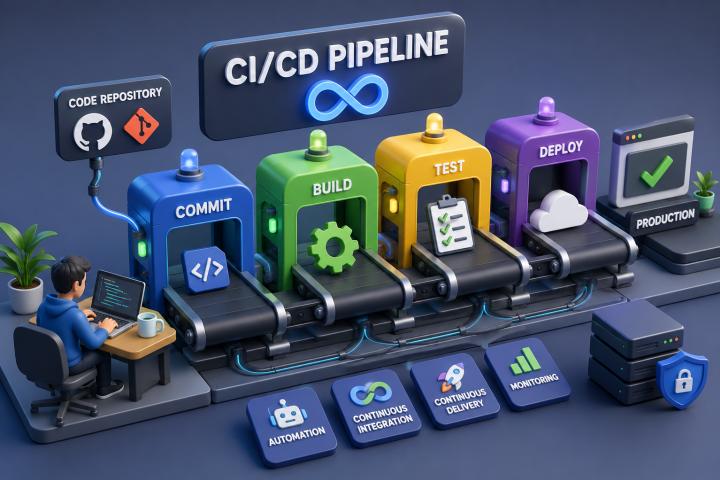
The DApp Development Process
Building a DApp involves multiple stages to
ensure security, functionality, and usability. Here’s a step-by-step overview:
1. Requirement Analysis
Understanding business objectives, target users,
and industry requirements is the first step. This ensures the DApp aligns with
your strategic goals.
2. Blockchain Selection
Choose the appropriate blockchain platform
based on scalability, cost, and desired functionality. Ethereum, for instance,
is ideal for smart contract-heavy applications.
3. Smart Contract Development
Write, test, and deploy smart contracts that
handle logic and transactions securely.
4. Frontend & Backend Development
Develop a user-friendly interface and a
reliable backend that interacts seamlessly with the blockchain.
5. Integration
Integrate wallets, APIs, and decentralized
storage systems to enable full functionality.
6. Testing & Auditing
Rigorous testing ensures the DApp is secure,
free of bugs, and capable of handling expected user traffic. Smart contract
auditing prevents vulnerabilities.
7. Deployment & Launch
Deploy the DApp on the blockchain and release
it to the market. Post-launch monitoring ensures smooth operation.
8. Maintenance & Updates
Regular updates, bug fixes, and feature enhancements keep the DApp competitive and secure.
Benefits of Using Expert DApp Development Services
Partnering with experienced DApp developers
brings several advantages:
- Security
Assurance: Professional teams follow best practices and
conduct audits to protect against hacks.
- Optimized
Performance: Expert developers design scalable
architectures for seamless user experience.
- Time
& Cost Efficiency: Skilled teams reduce development
time and minimize costly errors.
- Customized
Solutions: Services are tailored to your business needs
and industry requirements.
- Ongoing Support: Continuous maintenance and updates ensure long-term success.
Common Challenges in DApp Development
Despite the potential, DApp development comes
with challenges:
- Blockchain
Selection: Choosing the right platform impacts
scalability, costs, and performance.
- Smart
Contract Security: Vulnerabilities can lead to hacks or
loss of assets.
- User
Adoption: Users unfamiliar with blockchain may hesitate to
use DApps.
- Regulatory
Compliance: Navigating local and global blockchain
regulations can be complex.
Expert DApp development services help mitigate these challenges by providing guidance, testing, and secure architecture.
Cost of DApp Development
The cost of DApp development varies depending
on complexity, features, and platform choice. Approximate cost ranges:
- Basic
DApp: $10,000 – $20,000
- Moderate
Complexity DApp: $20,000 – $50,000
- Advanced
DApp with DeFi & NFT Features: $50,000 – $100,000+
Investing in expert services ensures cost efficiency while delivering a secure, high-quality product.
Future Trends in DApp Development
DApp technology is evolving rapidly. Emerging
trends include:
- Interoperability:
DApps capable of interacting across multiple blockchains.
- Layer
2 Solutions: Faster, cost-effective blockchain
transactions.
- AI
Integration: Smart AI-driven decision-making within
decentralized apps.
- Web3
Expansion: DApps forming the foundation of Web3, enhancing
digital ownership.
- Sustainability:
Eco-friendly blockchain platforms to reduce energy consumption.
Businesses leveraging these trends through expert DApp development services can gain a competitive advantage.
How to Choose the Right DApp Development Service
Selecting the right development partner is
critical. Consider:
- Experience
& Portfolio: Review past projects and industry
expertise.
- Technology
Expertise: Ensure familiarity with blockchain platforms
and smart contract development.
- Security
Practices: Verify auditing protocols and security
standards.
- Post-Launch
Support: Continuous maintenance and upgrades are
essential.
- Client Testimonials: Positive reviews indicate reliability and professionalism.
Conclusion
DApps represent the future of digital
interactions, offering secure, transparent, and efficient solutions across
industries. Partnering with expert
DApp development services ensures your blockchain app is scalable,
secure, and feature-rich, giving your business a competitive edge in the
decentralized world.
Investing in professional DApp development is not just about technology — it’s about creating trust, efficiency, and innovation for your users. Whether you’re building a DeFi platform, NFT marketplace, or supply chain solution, the right DApp development service can turn your vision into a successful, future-ready application.