Desert Glow: Tips for Tanning Safely and Effectively in the UAE Desert
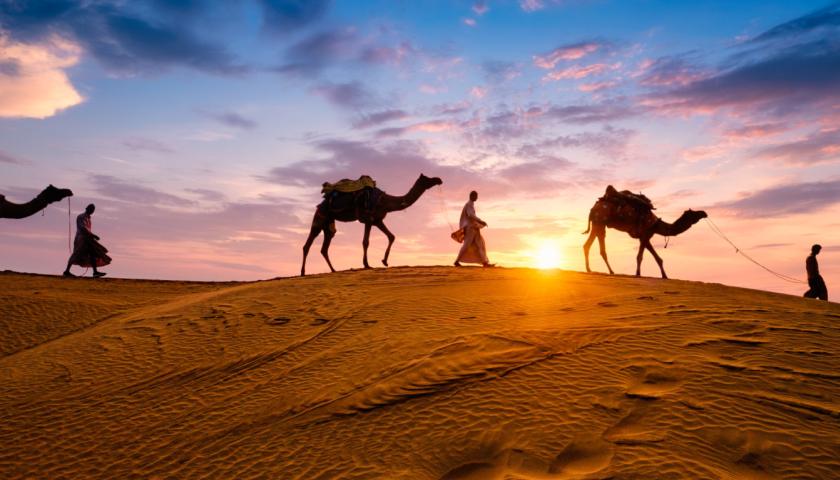
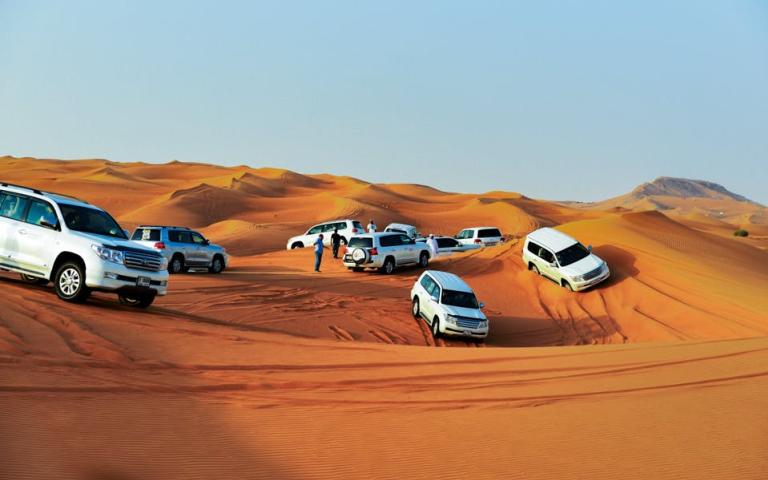
The United Arab Emirates is home to some of the most breathtaking desert landscapes in the world. From the rolling dunes of Liwa to the accessible golden sands of Dubai's outskirts, the desert offers a unique and serene environment for those looking to disconnect and soak up the sun. However, tanning in the desert is a vastly different experience than tanning at a coastal resort. The lack of humidity, the reflective nature of the dunes, and the sheer intensity of the Arabian sun require a specialized set of skills and precautions. This guide explores how to navigate the desert heat to achieve a deep, radiant "desert glow" while keeping your skin’s health and longevity as the top priority.
The Unique Dynamics of Desert Sun Exposure
Tanning in the desert involves dealing with "dry heat," which impacts the skin differently than the humid air found at the beach. In a humid environment, your skin retains a layer of moisture that can act as a very slight buffer. In the desert, moisture evaporates from the skin surface almost instantly. This means that while you might not feel as "sweaty," your skin is actually dehydrating at an accelerated rate. This dehydration can lead to premature aging and a "leathery" tan if you aren't careful.
Furthermore, the sand in the UAE desert is highly reflective. Much like snow, the light-colored desert sands bounce UV rays back up at you from multiple angles. This means you are receiving sun exposure not just from above, but also from the ground around you. Because of this multi-directional exposure, the tanning process in the desert is often much faster than people anticipate. A professional approach to desert tanning requires acknowledging that the environment is more intense and adjusting your exposure times accordingly.
Choosing the Right Topical Support for Arid Conditions
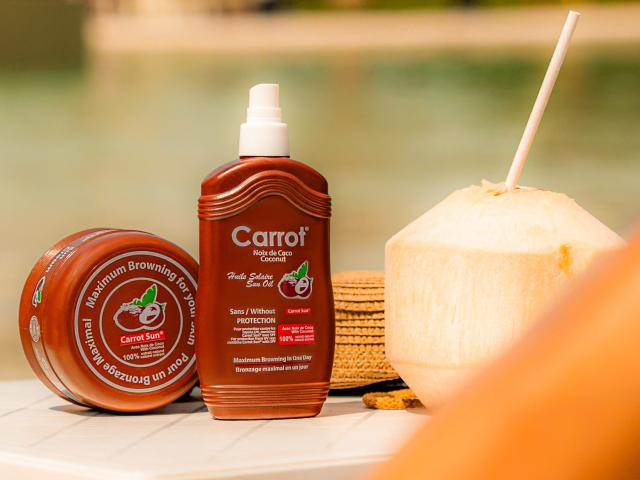
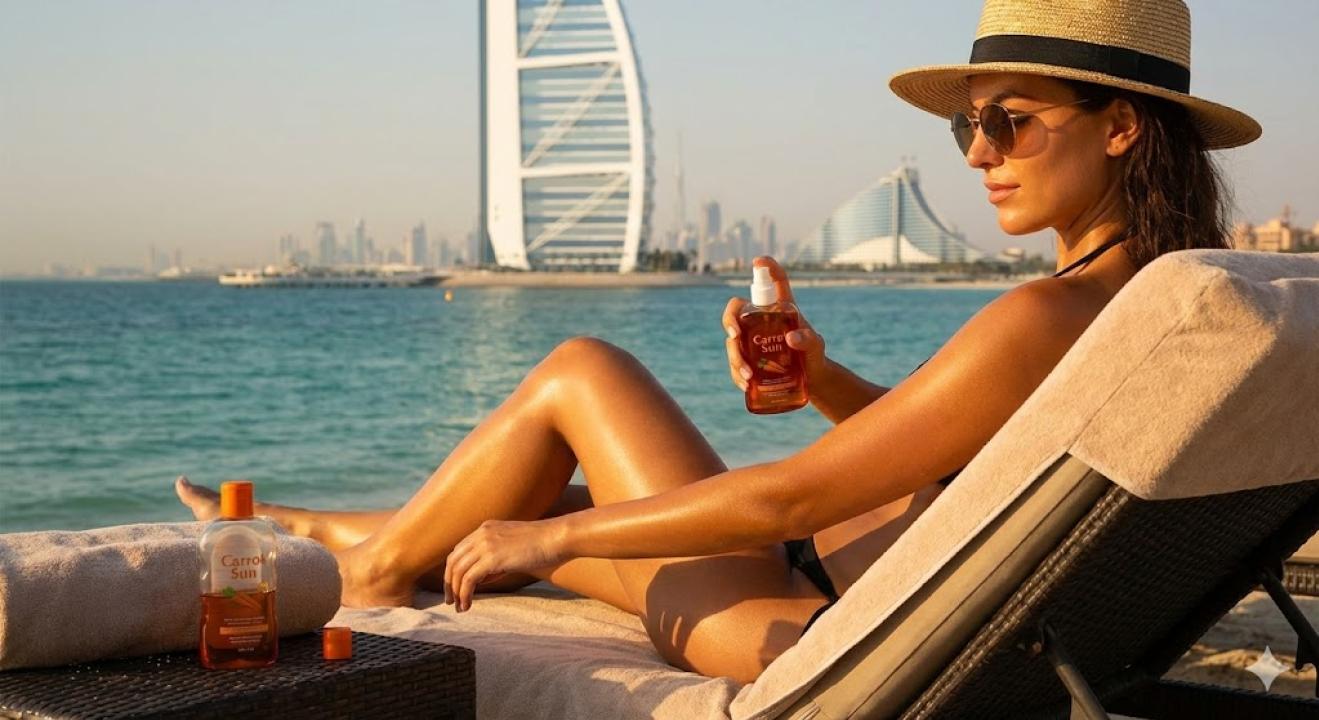
Because the desert environment is so drying, the products you choose to apply to your skin must do more than just accelerate color; they must provide an intensive moisture barrier. Using a specialized product like carrot sun tanning oil is particularly beneficial in these conditions. Carrot oil is naturally rich in antioxidants and beta-carotene, which help the skin prepare for and respond to UV light more effectively.
In the desert, you want an oil that sinks in deeply rather than just sitting on the surface where it might attract dust or sand. The natural extracts in high-quality carrot-based products help to stimulate melanin production quickly, allowing you to achieve a rich color in a shorter window of time. This is the ultimate goal in the desert: maximizing the efficiency of your sun time so you can retreat to the shade before the dry heat causes significant moisture loss.
Identifying the Best Sun Tanning Oil for Desert Use
When selecting the best sun tanning oil for a desert excursion, you should look for ingredients that offer high levels of Vitamin E and essential fatty acids. Oils derived from nuts and seeds, such as almond or wheat germ oil, are excellent for the desert because they provide a "heavy-duty" hydration that lighter, synthetic lotions simply cannot match. These ingredients help to keep the skin cells plump and resilient even when the air around you is devoid of moisture.
A good desert tanning oil should also help to soothe the skin as it tans. The desert sun can be quite "sharp," and ingredients that offer anti-inflammatory properties can prevent the skin from feeling tight or irritated at the end of the day. If you choose an oil that matches your skin’s specific needs, your tan will look smooth and luminous rather than dry and parched. The difference between a professional-looking desert tan and a sun-damaged look often comes down to the quality of the oil used during the process.
The Importance of Internal Hydration and Electrolytes
While topical oils are essential for protecting the surface of your skin, true desert safety starts from within. When you are out in the dunes, your body is working overtime to regulate its temperature. This process uses up a significant amount of water and essential salts. If you are dehydrated, your skin will look dull and will be far more prone to burning and peeling.
Experienced desert travelers know to begin their hydration protocol at least twenty-four hours before heading out. This doesn't just mean drinking water; it means ensuring your electrolyte balance is correct. Consuming fruits with high water content, such as watermelon or cucumbers, provides your body with structured water and minerals that help your skin stay hydrated at a cellular level. When your internal hydration is optimal, your skin can handle the stress of UV exposure much more gracefully, resulting in a tan that looks healthy and vibrant.
Mastering the Art of Incremental Exposure
One of the biggest mistakes people make in the UAE desert is staying out for hours at a time during their first visit. The desert sun is a powerful force, and it is best approached in increments. A "slow and steady" method is the secret to a long-lasting, deep tan. Start with short sessions of fifteen to twenty minutes during the early morning or late afternoon, and gradually increase your time as your skin builds up its natural defenses.
By avoiding the peak hours of 11:00 AM to 4:00 PM, you avoid the most damaging rays and the most extreme heat. Morning sessions in the desert are particularly beautiful, as the light is softer and the air is slightly cooler. This allows you to relax and enjoy the environment without the physical strain of mid-day heat. Remember that a tan is a biological shield; you want to give your body time to build that shield layer by layer rather than trying to force it all at once.
Desert Aftercare: Protecting Your Investment
What you do after you leave the desert is just as important as what you do while you are there. The dry desert air can continue to pull moisture from your skin long after you have moved indoors. As soon as you return from your trip, it is vital to rinse off any sand and salt with cool water and apply a thick, nourishing moisturizer while your skin is still slightly damp. This "locks in" the hydration and helps to settle the tan.
Many people find that their skin feels particularly thirsty after a day in the dunes. Using an after-sun product that contains aloe vera or calming oils can help to reduce any latent heat in the skin. Additionally, continuing to drink plenty of water and avoiding alcohol for a few hours after tanning will help your body recover more quickly. A desert tan is a beautiful achievement, but it requires a dedicated after-care routine to ensure the color stays even and the skin remains soft.
Respecting the Desert Environment and Your Skin
Finally, tanning in the desert is about more than just aesthetics; it is about respecting the environment. The desert is a place of extremes, and your skin is your first line of defense against those extremes. Always listen to what your body is telling you. If you start to feel dizzy, or if your skin feels unusually hot or sensitive, it is time to pack up and find shade immediately.
By approaching desert tanning with a combination of high-quality products, smart timing, and proper hydration, you can achieve a spectacular glow that looks like it was crafted by the dunes themselves. The UAE desert offers a unique opportunity to connect with nature and enhance your natural beauty, provided you treat the sun with the respect it deserves. With the right preparation, your desert glow will be a testament to a well-planned and healthy outdoor life>
Conclusion
The journey to achieving a perfect desert glow in the UAE is an experience like no other. By understanding the unique environmental factors of the desert—such as the dry heat and reflective sands—you can tailor your tanning routine to be both effective and safe. Prioritizing high-quality oils, maintaining peak internal hydration, and respecting the power of the sun through incremental exposure are the hallmarks of a professional tanner. When done correctly, desert tanning doesn't just give you a beautiful color; it leaves your skin looking healthy, nourished, and radiant. Embrace the serenity of the dunes, use the right tools for the job, and enjoy the lasting results of a safely earned desert tan.