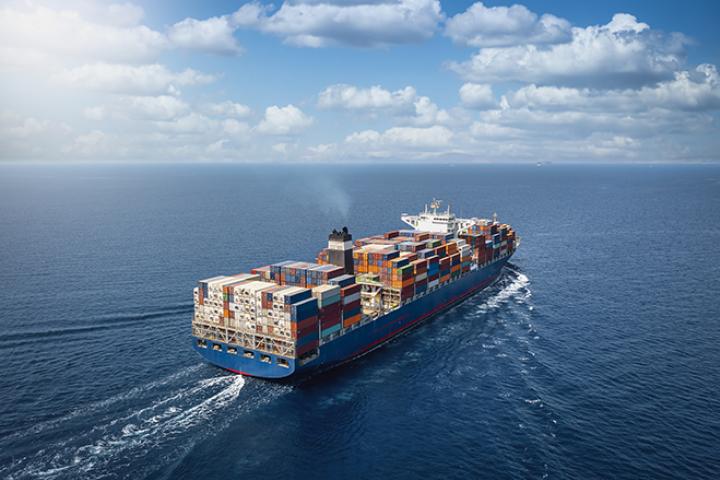
The global shipping industry is going through a major shift. As environmental concerns grow and regulations become stricter, companies are exploring cleaner alternatives to traditional fossil fuels. One of the most important discussions today is about the economics of sustainable marine fuels, whether their higher upfront costs are justified by their long-term value.
This article explains the cost factors, benefits, and real-world examples in very simple terms, helping you understand why this transition matters.
Understanding the Cost Challenge
At first glance, cleaner fuel options for shipping appear expensive. Compared to conventional marine fuels like heavy fuel oil, newer alternatives can cost significantly more. This is mainly due to:
Limited production scale
New and evolving technologies
Infrastructure investment requirements
For example, fuels like green methanol or ammonia are still being produced in smaller quantities. This keeps their prices high. Shipping companies also need to modify engines, storage systems, and supply chains, which adds to the initial cost.
Because of these factors, many businesses hesitate to adopt sustainable fuels, especially when short-term budgets are tight.
Why Prices Are Expected to Change
While current costs are high, they are not fixed. History shows that as new technologies mature, their prices tend to drop. This is likely to happen with sustainable marine fuels as well.
Several factors will help reduce costs over time:
Increased production and global demand
Government incentives and subsidies
Technological improvements
Better supply chain networks
As more companies invest and adopt these fuels, economies of scale will gradually bring prices down, making them more competitive with traditional fuels.
Looking Beyond Immediate Costs
Looking only at initial costs can give an incomplete picture. The real value of cleaner fuels becomes clearer when we look at long-term benefits.
1. Regulatory Compliance
Governments and international organizations are introducing stricter emission rules. Companies that continue using high-pollution fuels may face heavy penalties or restrictions in the future.
Switching early helps businesses stay compliant and avoid unexpected costs later.
2. Operational Stability
Traditional fuel prices are often volatile. In contrast, alternative fuels can offer more predictable pricing over time, especially as renewable energy sources become more stable.
This can help companies plan budgets more effectively.
3. Brand and Market Advantage
Customers, investors, and partners are increasingly choosing environmentally responsible businesses. Companies that adopt sustainable practices can improve their reputation and gain a competitive edge.
The Role of Bio-Based Options
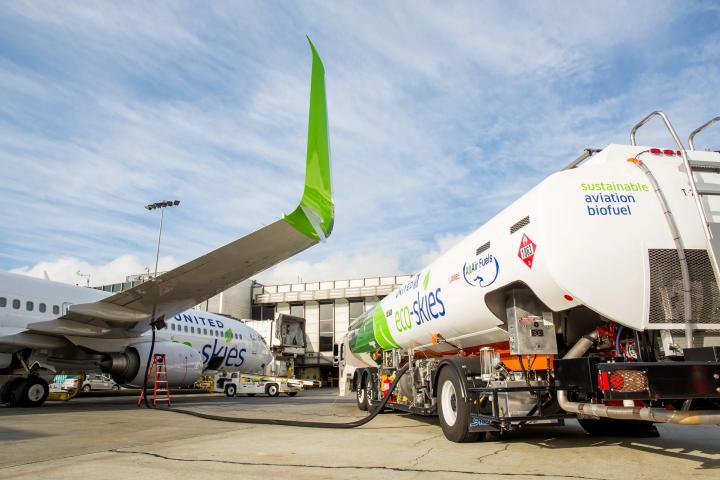
Among the available alternatives, biofuels are gaining attention because they can often be used with existing ship engines with minimal changes. This makes them a practical transition solution.
They are derived from organic materials such as waste oils or agricultural residues, making them more environmentally friendly than fossil fuels. While they still come with cost considerations, their ease of adoption makes them attractive for many operators.
Case Study 1: Maersk’s Green Methanol Investment
One of the world’s largest shipping companies, Maersk, has invested heavily in vessels that run on green methanol. The company has ordered multiple ships designed to use this cleaner fuel.
Although the initial investment was high, Maersk expects long-term benefits through reduced emissions and alignment with future regulations. This move also strengthens its brand as a sustainability leader, attracting environmentally conscious clients.
This case shows how early investment can position a company for long-term success, even if short-term costs are higher.
Case Study 2: CMA CGM’s LNG Transition Strategy
CMA CGM has adopted liquefied natural gas (LNG) as a transitional fuel while exploring other sustainable fuels. The company has introduced a fleet of LNG-powered ships to reduce emissions.
While LNG is not a perfect solution, it significantly lowers certain pollutants compared to traditional fuels. This strategy allows the company to reduce its environmental impact while preparing for future fuel technologies.
The key takeaway here is that businesses can take gradual steps instead of making sudden, costly changes.
Balancing Cost and Value
When evaluating sustainable marine fuels, it is important to balance short-term expenses with long-term gains. Businesses should consider:
Total lifecycle costs instead of just fuel price
Risk of future regulations and penalties
Environmental impact and corporate responsibility
Customer expectations and market trends
By taking a broader view, companies can make smarter investment decisions.
Challenges That Still Need Attention
Even with these advantages, several challenges still need careful attention:
Limited global infrastructure for new fuels
Uncertainty around which fuel will dominate in the future
High initial investment requirements
Need for skilled workforce and technical expertise
However, with continued innovation and collaboration between governments and industries, these challenges can be managed effectively over time.
The Future Outlook
The transition to sustainable fuels in shipping is not just an environmental necessity, it is also an economic opportunity. As technology evolves and adoption increases, costs are expected to decrease while benefits continue to grow.
Businesses that act early may gain a strong advantage, while those that delay could face higher costs and stricter regulations later.
Conclusion
The economics of sustainable marine fuels is not just about comparing prices today. It is about understanding long-term value, risk reduction, and future readiness.
While the initial investment may seem high, the long-term advantages, such as regulatory compliance, stable operations, and improved brand value, make a strong case for transition. In simple terms, what looks expensive now may turn out to be a smart and necessary investment for the future.
FAQs
1. Why are sustainable marine fuels more expensive right now?
They are currently produced at a smaller scale and require new technology and infrastructure, which increases their cost.
2. Will the cost of sustainable fuels decrease in the future?
Yes, as production increases and technology improves, prices are expected to become more competitive.
3. Are biofuels a good option for shipping companies?
Biofuels can be a practical option because they often work with existing engines and require fewer modifications.
4. What is the biggest benefit of switching to sustainable fuels?
The biggest advantage is long-term value, including regulatory compliance, reduced environmental impact, and better market positioning.
5. Can companies transition gradually instead of switching completely?
Yes, many companies adopt a phased approach by using transitional fuels while preparing for fully sustainable solutions.